



Oil consumption

Needs a Chuckle
Rennlist Member
Rennlist Member
Joined: May 2006
Posts: 622
Likes: 80
From: Hilton Head Island, SC

Mostly followed the recommended break-in schedule. Have 4,000 miles so far. Had to add 3/4 quart after a recent 1,200 miles road trip with some hard driving.
Just had the oil changed and used 5W - 40 to see if it makes a difference in oil consumption. Should be a little thicker than the 0W - 40, so I anticipate it won't blow by the rings quite as easily as the 0W - 40.
Just had the oil changed and used 5W - 40 to see if it makes a difference in oil consumption. Should be a little thicker than the 0W - 40, so I anticipate it won't blow by the rings quite as easily as the 0W - 40.
Burning Brakes

Joined: Sep 2005
Posts: 1,101
Likes: 78
Originally Posted by mastiffdog
The owners manual for the 997TT states, 0-40, 5-40 or 5-50w oils. Having a tough time finding the 5-40 or 5-50 Mobil 1.
Any suggestions on where to buy the 5-40 or 5-50w Mobil 1?
Any suggestions on where to buy the 5-40 or 5-50w Mobil 1?
Pro
Joined: Jul 2005
Posts: 682
Likes: 220
From: Scottsdale, AZ
OK, I'll throw in my 2 cents as well. When I 1st got the car, the level was between the 1st and 2nd bar (depending on when I checked the oil level (before or after driving for example). Now at 8500 miles, the oil level is at the 3rd marker most of the time, and occationally at the 2nd marker (if there is a slight tilt on the road). Since everyone is reporting significant oil use, I decided to check the oil level 'properly' (drive the car to operating temperature, and do 10+ miles on the highway), and then check the oil level. This means waiting 5-10 minutes after turning off the car (but I have seen the timer be as long as 30 minutes sometimes). Low and behold the oil level was below the 3rd bar! The manual indicates that the oil level can be artificailly HIGH due to condensation and gas, that will get 'burnt off' during highway driving.
The problem is that I usually check the oil level in the morning when I go to work (because it takes 6 seconds), or perhaps after filling gas, but I usually fill up gas at the start of my travel, so the oil has not reached operating temperature. I suspect that most people also do this as it is easy, and there is no waiting. The problem however is that it may be falsly in the normal range if the oil is not checked when hot.
Anyways, after 8500 miles I have used exactly 1 quart (~940 ml) oil, and now my bar is at the 1st level.
The problem is that I usually check the oil level in the morning when I go to work (because it takes 6 seconds), or perhaps after filling gas, but I usually fill up gas at the start of my travel, so the oil has not reached operating temperature. I suspect that most people also do this as it is easy, and there is no waiting. The problem however is that it may be falsly in the normal range if the oil is not checked when hot.
Anyways, after 8500 miles I have used exactly 1 quart (~940 ml) oil, and now my bar is at the 1st level.

Drifting

Joined: Apr 2006
Posts: 2,208
Likes: 2
I am just curious if anyone has thought about another potential reason as to why Porsche recommends Mobile 0W-40 as a thin oil for the engine: to get that long oil change maintenance cycle. Think about it. You consume oil so you are continuously adding new oil. I am curious if any of the people who run the thicker oil change their oil more often? Due to the amount of track time I do, probably put in 10 quarts of oil between oil changes (same as changing oil every 7500 miles).

Three Wheelin'
Joined: Feb 2006
Posts: 1,412
Likes: 4
Originally Posted by 02 Carrera
I am just curious if anyone has thought about another potential reason as to why Porsche recommends Mobile 0W-40 as a thin oil for the engine: to get that long oil change maintenance cycle. Think about it. You consume oil so you are continuously adding new oil. I am curious if any of the people who run the thicker oil change their oil more often? Due to the amount of track time I do, probably put in 10 quarts of oil between oil changes (same as changing oil every 7500 miles).

Burning Brakes
Joined: Dec 2002
Posts: 870
Likes: 0
From: Airlie Beach, Australia
Hi,
the information in the 996 Forum on Porsche relevant oil viscosities is worth reading
99Porsche911 - you seem interested in promoting mis-information on oil viscosities without supplying the supporting facts
The situation is that only synthetic oils are Approved and Listed by Porsche. They have been their Factory fill since 1992 - Shell 10w-30 firstly and then 5w-40. Now it is a universal 0w-40
Both 0w-40 and 5w-40 lubricants are both SAE40 viscosity lubricants!
An SAE40 lubricant sits at the high end of the "most commonly used" lubricants - these are SAE20, SAE30, SAE40 and SAE50
SAE10 is used in some applications too
The "cold start" viscosities are 0w, 5w,10w and 20w - most engine wear occurs in the first few minutes after a cold start. Anti wear additives function progressively from above about 50C oil temperature
99Porsce911 - To debunk you theories only 0w-40 is mandated for the Cayenne engines in all climates!
Only Porsche Approved and Listed oils (regardless of brand) should be used in our engines and for very sound reasons!
02Carrera - yes the Approved and Listed viscosities are part of the matrix of requirements that make up the maintenance cycle
gpjli2 - Adding oil is a very good way of replenishing the oil's "Additive Package". This is an integral part in the design of some engine families. A Used Oil Analysis is the best way of determining the oils condition and the level of waer metals etc in the lubricant
Many problems with EXCESSIVE oil consumption can be tracked back to the lack of correct "break in"
It is not as common today as it was in the 1960s but is usually due to much the same circumstances, hard rings and hard bores! "Bedding in" should involve progressively loading the engine once oil temperature is at "normal" rather than reving it too hard`- and yes oils once played a real part in the problem but less so today.
Now it is mainly with using too "good" an oil and primarily with diesel engines
Some bores and ring packs can take up to 150k to correctly "bed in"
I hope this information is of some value
Regards
the information in the 996 Forum on Porsche relevant oil viscosities is worth reading
99Porsche911 - you seem interested in promoting mis-information on oil viscosities without supplying the supporting facts
The situation is that only synthetic oils are Approved and Listed by Porsche. They have been their Factory fill since 1992 - Shell 10w-30 firstly and then 5w-40. Now it is a universal 0w-40
Both 0w-40 and 5w-40 lubricants are both SAE40 viscosity lubricants!
An SAE40 lubricant sits at the high end of the "most commonly used" lubricants - these are SAE20, SAE30, SAE40 and SAE50
SAE10 is used in some applications too
The "cold start" viscosities are 0w, 5w,10w and 20w - most engine wear occurs in the first few minutes after a cold start. Anti wear additives function progressively from above about 50C oil temperature
99Porsce911 - To debunk you theories only 0w-40 is mandated for the Cayenne engines in all climates!
Only Porsche Approved and Listed oils (regardless of brand) should be used in our engines and for very sound reasons!
02Carrera - yes the Approved and Listed viscosities are part of the matrix of requirements that make up the maintenance cycle
gpjli2 - Adding oil is a very good way of replenishing the oil's "Additive Package". This is an integral part in the design of some engine families. A Used Oil Analysis is the best way of determining the oils condition and the level of waer metals etc in the lubricant
Many problems with EXCESSIVE oil consumption can be tracked back to the lack of correct "break in"
It is not as common today as it was in the 1960s but is usually due to much the same circumstances, hard rings and hard bores! "Bedding in" should involve progressively loading the engine once oil temperature is at "normal" rather than reving it too hard`- and yes oils once played a real part in the problem but less so today.
Now it is mainly with using too "good" an oil and primarily with diesel engines
Some bores and ring packs can take up to 150k to correctly "bed in"
I hope this information is of some value
Regards
Three Wheelin'
Joined: Feb 2006
Posts: 1,412
Likes: 4
Originally Posted by Doug Hillary
Hi,
the information in the 996 Forum on Porsche relevant oil viscosities is worth reading
99Porsche911 - you seem interested in promoting mis-information on oil viscosities without supplying the supporting facts
The situation is that only synthetic oils are Approved and Listed by Porsche. They have been their Factory fill since 1992 - Shell 10w-30 firstly and then 5w-40. Now it is a universal 0w-40
Both 0w-40 and 5w-40 lubricants are both SAE40 viscosity lubricants!
An SAE40 lubricant sits at the high end of the "most commonly used" lubricants - these are SAE20, SAE30, SAE40 and SAE50
SAE10 is used in some applications too
The "cold start" viscosities are 0w, 5w,10w and 20w - most engine wear occurs in the first few minutes after a cold start. Anti wear additives function progressively from above about 50C oil temperature
99Porsce911 - To debunk you theories only 0w-40 is mandated for the Cayenne engines in all climates!
Only Porsche Approved and Listed oils (regardless of brand) should be used in our engines and for very sound reasons!
02Carrera - yes the Approved and Listed viscosities are part of the matrix of requirements that make up the maintenance cycle
gpjli2 - Adding oil is a very good way of replenishing the oil's "Additive Package". This is an integral part in the design of some engine families. A Used Oil Analysis is the best way of determining the oils condition and the level of waer metals etc in the lubricant
Many problems with EXCESSIVE oil consumption can be tracked back to the lack of correct "break in"
It is not as common today as it was in the 1960s but is usually due to much the same circumstances, hard rings and hard bores! "Bedding in" should involve progressively loading the engine once oil temperature is at "normal" rather than reving it too hard`- and yes oils once played a real part in the problem but less so today.
Now it is mainly with using too "good" an oil and primarily with diesel engines
Some bores and ring packs can take up to 150k to correctly "bed in"
I hope this information is of some value
Regards
the information in the 996 Forum on Porsche relevant oil viscosities is worth reading
99Porsche911 - you seem interested in promoting mis-information on oil viscosities without supplying the supporting facts
The situation is that only synthetic oils are Approved and Listed by Porsche. They have been their Factory fill since 1992 - Shell 10w-30 firstly and then 5w-40. Now it is a universal 0w-40
Both 0w-40 and 5w-40 lubricants are both SAE40 viscosity lubricants!
An SAE40 lubricant sits at the high end of the "most commonly used" lubricants - these are SAE20, SAE30, SAE40 and SAE50
SAE10 is used in some applications too
The "cold start" viscosities are 0w, 5w,10w and 20w - most engine wear occurs in the first few minutes after a cold start. Anti wear additives function progressively from above about 50C oil temperature
99Porsce911 - To debunk you theories only 0w-40 is mandated for the Cayenne engines in all climates!
Only Porsche Approved and Listed oils (regardless of brand) should be used in our engines and for very sound reasons!
02Carrera - yes the Approved and Listed viscosities are part of the matrix of requirements that make up the maintenance cycle
gpjli2 - Adding oil is a very good way of replenishing the oil's "Additive Package". This is an integral part in the design of some engine families. A Used Oil Analysis is the best way of determining the oils condition and the level of waer metals etc in the lubricant
Many problems with EXCESSIVE oil consumption can be tracked back to the lack of correct "break in"
It is not as common today as it was in the 1960s but is usually due to much the same circumstances, hard rings and hard bores! "Bedding in" should involve progressively loading the engine once oil temperature is at "normal" rather than reving it too hard`- and yes oils once played a real part in the problem but less so today.
Now it is mainly with using too "good" an oil and primarily with diesel engines
Some bores and ring packs can take up to 150k to correctly "bed in"
I hope this information is of some value
Regards

Poseur
Rennlist Member
Rennlist Member


Joined: Nov 2005
Posts: 17,745
Likes: 301
From: Santa Barbara, CA
Finally, sanity returns to the 997 forum. Thanks, Doug, for crossing forum lines to clear up a lot of misinformation.
I hope in time my new 06 S will settle down to a more conservative oil consumption rate (@3200 miles, roughly 1 litre per 1000 miles).
I hope in time my new 06 S will settle down to a more conservative oil consumption rate (@3200 miles, roughly 1 litre per 1000 miles).
Rennlist Stories
The Best Porsche Posts for Porsche Enthusiasts

Every Era of 911 Owner Explained in One Sentence
Verdad Gallardo
Thinking of Buying a Porsche? Do These 10 Things First
Joe Kucinski
Pixar Pals Turned Into 1-of-1 Porsches!
Michael S. Palmer
Theon Goes Full Carbon Fiber With Stunning New Build
Verdad Gallardo
Genius Porsche-Themed Gifts That'll Make Any Dad or Grad Smile
Joe Kucinski
10 Used Porsches Are Selling for Way Too Cheap
Joe Kucinski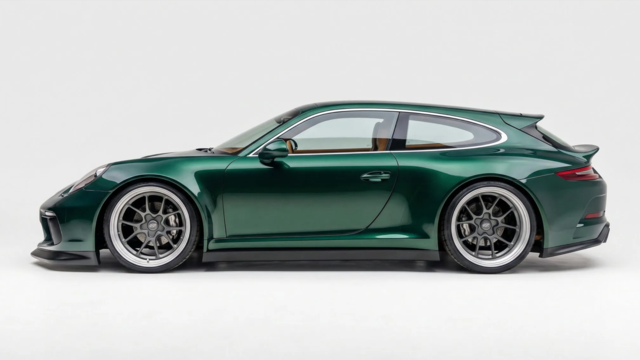
Tuner Is Converting Porsche 911s Into Shooting Brakes
Verdad Gallardo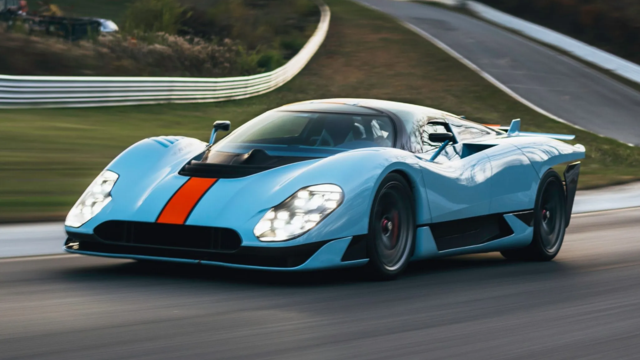
This Coachbuilt Creation Is A Modern Take on the Legendary Porsche 917
Verdad Gallardo
Is This Convertible Cayenne A Steal, Or A Returnless Investment?
Verdad Gallardo
Racer
Joined: Dec 2004
Posts: 368
Likes: 0
From: Cotswolds UK
My C2S did a litre plus per 1000 miles for the first 7500 miles - turned out I had a faulty oil separator (a common problem I gather). Both separotors / breathers were replaced under warranty and it hasn't used a drop in the 1000 miles since. PCGB also gave me a new exhaust as I complained the old one was sooted up on the side the breather was faulty. Great service - even better car.
Rennlist Member
Joined: Oct 2003
Posts: 3,457
Likes: 79
From: in a racecar somewhere...
1999PORSCHE911, you have yet to provide a single piece of correct info on oil related topics.I firmly believe that you may be the cause of some peoples engine problems with the 996/997 cars. What factual,documented data can you provide us to support your claims? Please do not respond with statements such as "Listen to your engine" or "Mobil 1 water weight". I am sorry to sound unprofessional, but it is truly time to put up or shut up. You could be harming peoples auotmobiles by spreading mis-information.
Race Car
Joined: Apr 2004
Posts: 4,159
Likes: 8
From: Chicagoland
Originally Posted by bgiere
1999PORSCHE911, you have yet to provide a single piece of correct info on oil related topics.I firmly believe that you may be the cause of some peoples engine problems with the 996/997 cars. What factual,documented data can you provide us to support your claims? Please do not respond with statements such as "Listen to your engine" or "Mobil 1 water weight". I am sorry to sound unprofessional, but it is truly time to put up or shut up. You could be harming peoples auotmobiles by spreading mis-information.
People I know, who have eliminated the use of 0W40 have decreased or eliminted oil usage all together and do not have a problem with hesitation with the variocam or noisy lifters. Personally, I do not use 0W40 in either the GT3 or blown 996 and neither burn or use any oil, whatsoever. Even tho the 996 has a higher effective compreesion ration than the TT's. Seems to me that if you do a litle searching. many people on this forum have changed away from 0W40 with similar results.
For those that are not experiencing any of the problems noted above, then I can understand their hesitation in changing oil. But for those who do have problems, it is beyond me that they are so determined NOT to try a possible solution.
Funny how some of your earlier threads recommend using 15W50 in the 911. Maybe you simply like to argue with people and have no genuine position at all? Kinda like when you argued with me that 99's DID NOT come factory filled with 15W50.

Seeing both sides of an argument help intelligent people make educated decisions.
Rennlist Member
Joined: Oct 2003
Posts: 3,457
Likes: 79
From: in a racecar somewhere...
I agree that people should make educated decsions. So please provide us the information to support and define your position. I still have yet to see any proof provided by you, other than conjecture, that supports your statements. You refuse all factual data, all experts opinions, and continu to mis-inform people who come to these forums looking for help and advice. I think i have to use the ignore button now....
Any recommendation I may have given regarding using a 15w50 wt. M1 oil was not for a 996/997 engine. And I will restate to you that 15w50 M1 was not and is not available as a factory fill for the 996. What I stated was that it MAY have been M1 5w50.
Any recommendation I may have given regarding using a 15w50 wt. M1 oil was not for a 996/997 engine. And I will restate to you that 15w50 M1 was not and is not available as a factory fill for the 996. What I stated was that it MAY have been M1 5w50.
Guest
Posts: n/a
Originally Posted by 02 Carrera
I am just curious if anyone has thought about another potential reason as to why Porsche recommends Mobile 0W-40 as a thin oil for the engine:
 .
.
Burning Brakes
Joined: Dec 2002
Posts: 870
Likes: 0
From: Airlie Beach, Australia
Hi,
gpjli2 - there is no advantage in using 5w-40. There is a disadvantage if your ambient temperature goes below -25C consistently
When hot (100C) they are both (M1) SAE40 grade lubricants and very similar in viscosity
1999Porsche911 - Please provide evidence that a 15w-50 oil was a Porsche Germany Factory fill! What brand, when and in what engines???
I have NO connection to any Oil Company!
Regards
gpjli2 - there is no advantage in using 5w-40. There is a disadvantage if your ambient temperature goes below -25C consistently
When hot (100C) they are both (M1) SAE40 grade lubricants and very similar in viscosity
1999Porsche911 - Please provide evidence that a 15w-50 oil was a Porsche Germany Factory fill! What brand, when and in what engines???
I have NO connection to any Oil Company!
Regards