







Engine Fire
Rennlist Member

Joined: Jun 2005
Posts: 10,579
Likes: 1,030
From: Oman

I rather feel a better way to measure fuel pressure may be to fit a sender unit somewhere on the pump discharge. It will read a slightly higher pressure than the rail becuase of transmission losses in hte plumbing but it would be accurate enough I suspect. The the signal could then be data logged or put on an analogue display in the cabin. The mount could also be made very robust. Less likely that a leak would flash off in that area.
Pressure gauge connections are infamous for causing fires on oil refineries.
Trouble with leaks in the engine bay is there is a good chance something electrical or a hot surface could flash it off.
Regards
Fred R
Rennlist Member
Joined: Jun 2005
Posts: 10,579
Likes: 1,030
From: Oman
I rather feel a better way to measure fuel pressure may be to fit a sender unit somewhere on the pump discharge. It will read a slightly higher pressure than the rail because of transmission losses in the plumbing but it would be accurate enough I suspect. The signal could then be data logged or put on an analogue display in the cabin. The mount could also be made very robust. Less likely that a leak would flash off in that area.
Pressure gauge connections are infamous for causing fires on oil refineries and we use taper threads to boot.
Trouble with leaks in the engine bay is there is a good chance a hot surface or electrical spark could flash it off.
Regards
Fred R
Team Owner
Joined: May 2004
Posts: 31,243
Likes: 4,225
From: Philly PA
Randy sorry to see your ride catch fire,
this makes me think that it might be a better idea to have the fuel pressure sender removed and the outlet capped unless the sytem is being tested.l
As Greg already posted the reanson for the spark was a leaking ignition wire open the hood run the car after capping the sender outlet and you should be able to find the sparking wire
this makes me think that it might be a better idea to have the fuel pressure sender removed and the outlet capped unless the sytem is being tested.l
As Greg already posted the reanson for the spark was a leaking ignition wire open the hood run the car after capping the sender outlet and you should be able to find the sparking wire
Rennlist Member
Joined: Oct 2005
Posts: 5,244
Likes: 1,466
From: Gatineau, Québec, Canada
First, happy that YOU are ok.
Second, good that you car as only minor damage.
Third, now I'm sure I won't put a gauge on my car...
Bring her back to life soon!
Second, good that you car as only minor damage.
Third, now I'm sure I won't put a gauge on my car...
Bring her back to life soon!
Last edited by Bertrand Daoust; Nov 3, 2011 at 09:56 PM.

Rest in Peace
Rennlist Member
Rennlist Member
Joined: May 2006
Posts: 9,903
Likes: 2
From: Bird lover in Sharpsburg
There is a whole bunch of arcing going inside the vented distributor, and there is nothing you can do about that except either go to a COP design or pressurize the distributors like Jag did on the V12's to keep fuel vapor out.
I have had 2 V12 Jags catch on fire in my shop due to leaking lines an the distributor being deep down in the V, and one blew the cap into little pieces.
So the best defense is to not have any fuel vapor or liquid where it should not be.
I have had 2 V12 Jags catch on fire in my shop due to leaking lines an the distributor being deep down in the V, and one blew the cap into little pieces.
So the best defense is to not have any fuel vapor or liquid where it should not be.
Rennlist Stories
The Best Porsche Posts for Porsche Enthusiasts

Talos Takes Your 991 Porsche 911 GT3 to the Next Level for a Cool $1.13 Million
Verdad Gallardo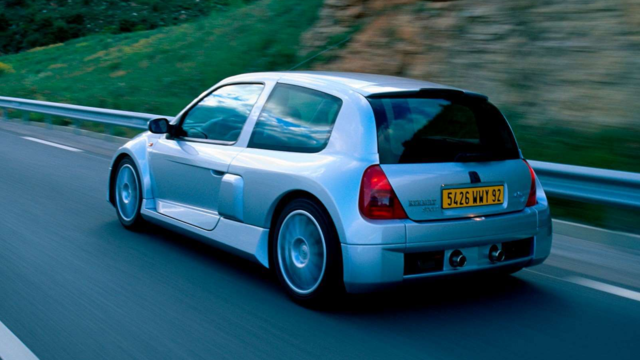
9 Vehicles Porsche Helped Engineer that Aren't Porsches
Verdad Gallardo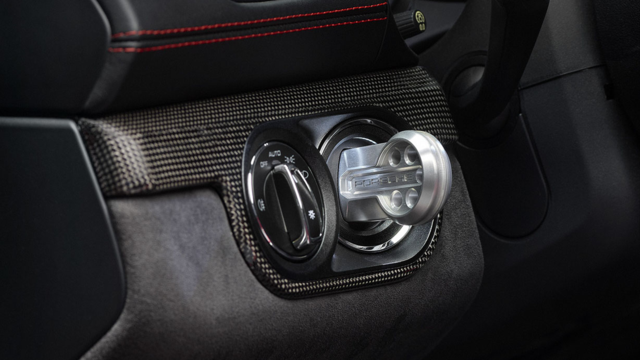
9 Features and Characteristics That Only Porsche People Understand
Verdad Gallardo
I've Written 500 Rennlist Articles: Here's How Porsche Has Changed Along the Way
Joe Kucinski
10 Most Unnecessary Porsches Ever Built (And Why We Love Them)
Verdad Gallardo
Porsche 911 GT3 S/C vs 718 Spyder RS: 10 Categories, One Winner
Joe Kucinski
This Builder Is Turning Heads With Its Slantnose 911 Creation
Verdad Gallardo
Porsche 911 GT3 Artisan Edition Pays Homage to Japanese Culture
Verdad Gallardo
Porsche Reveals Coupe Variant of the Electric Cayenne With a Fresh Look
Verdad Gallardo



Electron Wrangler
Lifetime Rennlist
Member
Lifetime Rennlist
Member
Joined: Mar 2002
Posts: 13,662
Likes: 621
From: Phoenix AZ
https://rennlist.com/forums/showthre...eferrerid=6055
Alan
Captain Obvious
Super User
Super User
Joined: Aug 2003
Posts: 22,846
Likes: 348
From: Cambridge, Ontario, Canada
Since it was a small leak, the gas would have evaporated by the time it got to the headers and even then, it needs a lot fo heat to ignite it but one arching wire will spark it up in an instant.
Good save.
