When you click on links to various merchants on this site and make a purchase, this can result in this site earning a commission. Affiliate programs and affiliations include, but are not limited to, the eBay Partner Network.
The Mass Air Flow of an engine is directly related to the horsepower potential. The power production process all starts with amount of mass air the engine can inhale, then the DME calculates the required fuel at 12.6:1 ratio for best power. The power "potential" can be calculated by using the Mass Air Value alone,( injecting more fuel will lower power output without more air mass).
Sure there are many variables that effect the actual power output like number of valves per cylinder, combustion chamber shape, flame travel, time at TDC, rod/stroke ratio, cam profile, ignition timing, displacement, but when comparing our 996 engines those variables will be the same.
While the above variables do effect Mass Air flow, they are not something that most of us will alter, except maybe displacement with a "big bore" kit, or maybe ignition timing with an aftermarket tune for some.
So why would we even care about the max Mass Air Flow Value? Because if your Max MAF value is low, your engine does not even have the "potential" to make the desired power. If I stick a potato in one of your tailpipes, you will not have a good Max MAF value and power.
Max MAF values can be used to evaluate displacement increases, intake plenums, TB, headers, exhaust, cats, anything that has to do with air flow into and out of the engine.If on an engine Dyno and you see an increase in Max MAF value(potential), but no increase in "actual power" you will have to ask "why not !!"..Any increase in Max MAF value SHOULD also produce an increase in "actual power"...
Back in the 70's 80's we would have given our left nut for a MAF sensor to measure actual mass air flow. That kind of stuff was only found in laboratories of the manufactures. Some speed shops had flow benches for heads but that's about it. We would change cams, heads, intakes, carbs,headers in all combinations and have to go to the track to see if it was better or worse..
I tried to keep this background section short as to not stir any debate and focus on collecting data from others that may be helpful to some who are interested in this kind of stuff.
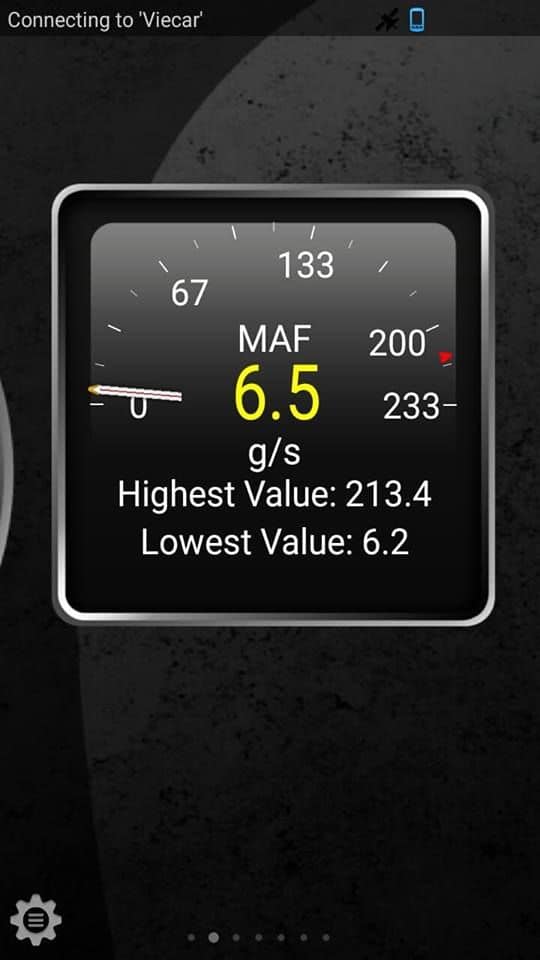
The thick film MAF on our cars is very accurate at measuring actual Mass Air Flow and can be monitored easily with a bluetooth OBDII LM327 and a Torque app on your phone. Here is my Max MAF value as displayed in Torque in grams/second. 213.4 / .75 = 284.5hp
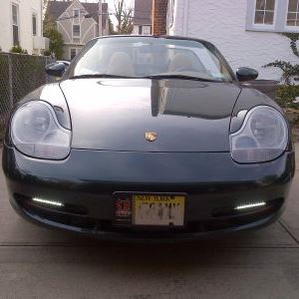
Year: 1999
miles:174,000
Displacement : 3.4
Max MAF : 213.4 g/s
Intake air temp : 62F
Ambient temp : 57F
Barometric pressure : 28.9hg
Altitude : 660ft
Intake sys : custom short ram
Exhaust : headers, stock cats and mufflers
other mods: none
Interesting stuff. It’s surprising to me, that the M96 in its stock form seems to be just about maxed out regarding easily findable extra power (like many other stock engines of today).
You are correct about power in relation to airflow. The more airflow, the more torque can be made.
Designing higher airflow across a wider range of RPMs can generate more power across an RPM band for a faster car overall, even if that engine has less peak horsepower than a narrow band engine. Designing more airflow within a narrow band can actually generate more peak power than a broad band engine, but the car may not be faster than a broadband car unless the gearing is set just right. Designing peak airflow higher up in the RPM band almost always increases horsepower, since HP is directly related to RPM.
I guess it would be good to check to see if my OBDII records peak airflow values (I know it does real-time).
It’s possible that our engines can have peak airflow but not make peak power (incomplete combustion, bad rings, bad valve guides, bad timing). But as you said, if our engines aren’t able to flow to peak airflow, it’s impossible to make the advertised HP.
I’m not sure if peak airflow is at the torque peak or HP? Or could it even be above the peak HP RPM?
Peak Torque and Peak Volumetric Efficiency happen at the same time, Peak Mass Air Flow and Peak Horsepower happen at the same time higher in the rpm range..
Peak Torque and Peak Volumetric Efficiency happen at the same time, Peak Mass Air Flow and Peak Horsepower happen at the same time higher in the rpm range..
That’s what I was thinking, but then I was thinking that it might be possible to spin the engine a little faster, giving up some efficiency, but still moving more air and fuel into the engine?
That’s what I was thinking, but then I was thinking that it might be possible to spin the engine a little faster, giving up some efficiency, but still moving more air and fuel into the engine?
Nope. After Peak Torque and VE are achieved, they start to fall, gradually at first, then after Peak MAF and HP is achieved, they fall at a greater ratio than the increase in RPM, therefore a less grams/second of Mass Air will be inhaled.
Hopefully other forum members will spend the $20 bucks and record their Max MAF values, temps, altitude, intake/exhaust setups, mods, ect. We should see some interesting trends start to emerge..
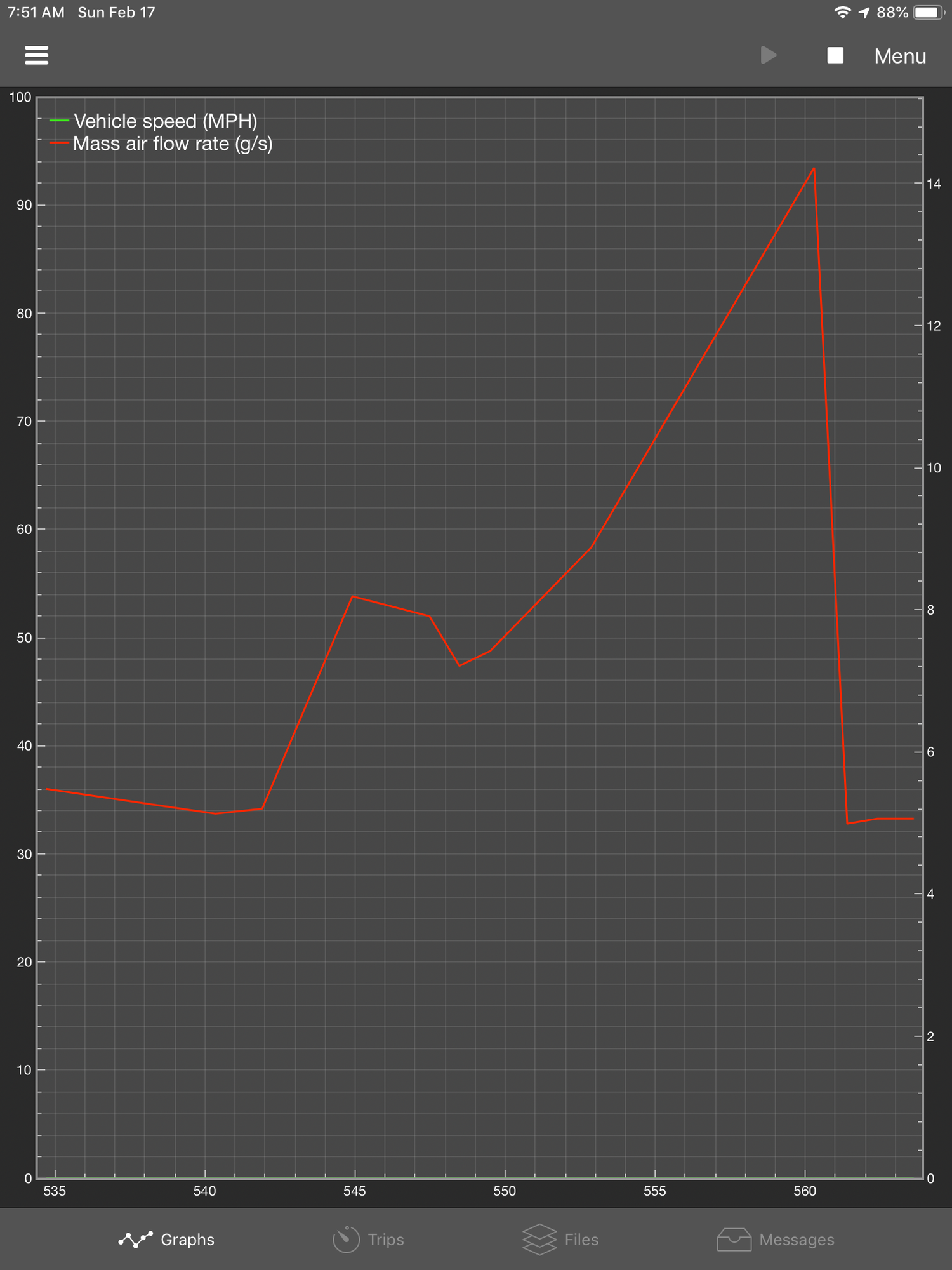
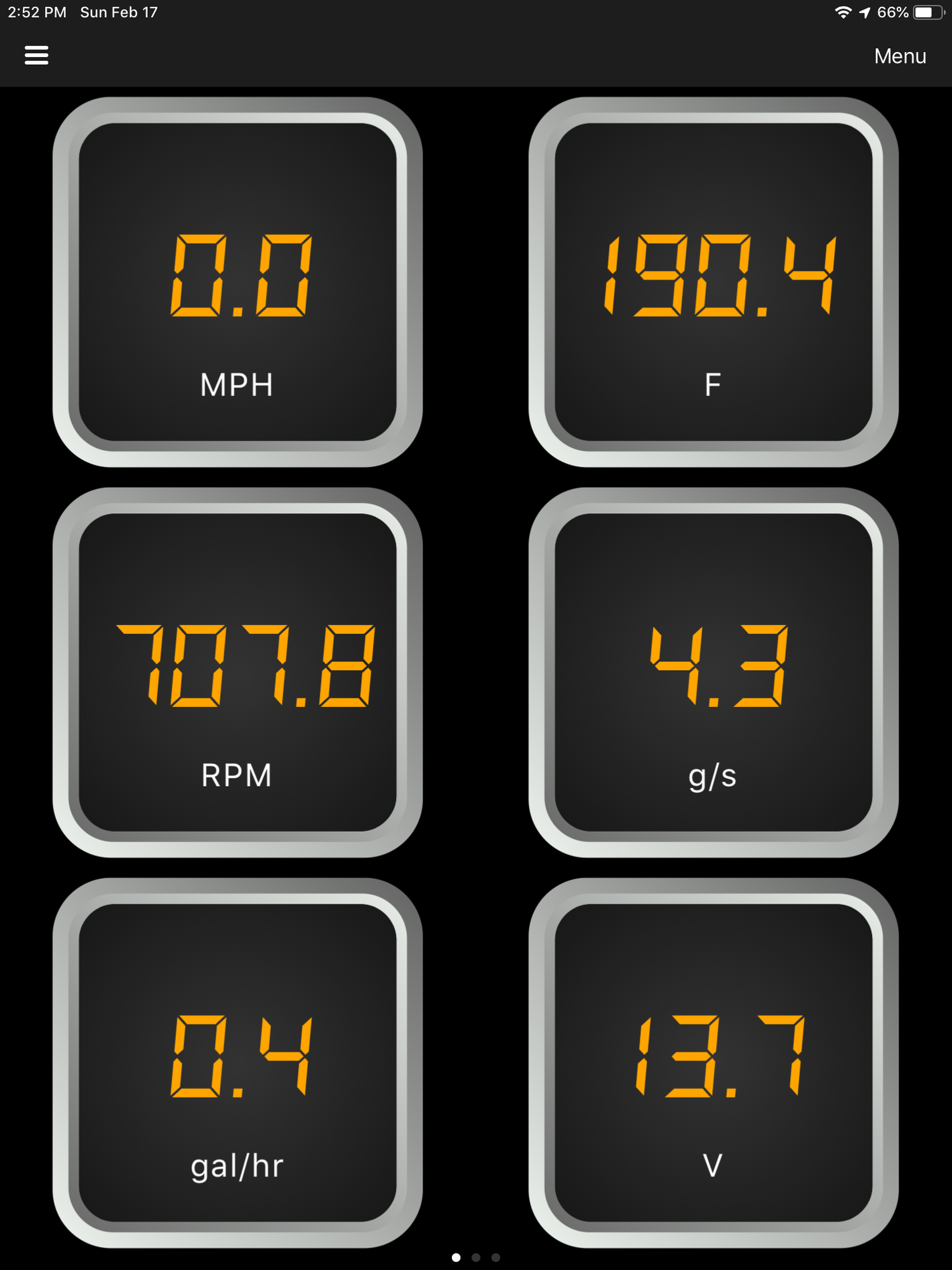
My understanding is that the Torque Pro app won’t work on iOS devices, I have OBD Fusion app set up on my iPad. As an experiment this morning I played around with it just idling in the garage and I can’t get the MAF gauge to read. I don’t know if this a quirk of the app or of the iOS version, or if I’m doing something wrong. Also interesting to note that the data logger will plot MAF over time, (note the spike with I rev’d the engine) it’s just the gauge that isn’t reading. Any. Ideas?
My understanding is that the Torque Pro app won’t work on iOS devices, I have OBD Fusion app set up on my iPad. As an experiment this morning I played around with it just idling in the garage and I can’t get the MAF gauge to read. I don’t know if this a quirk of the app or of the iOS version, or if I’m doing something wrong. Also interesting to note that the data logger will plot MAF over time, (note the spike with I rev’d the engine) it’s just the gauge that isn’t reading. Any. Ideas?
It might be a configuration issue. I use the Dash Command app on iOS and the MAF gauge works fine. I don't know about Torque Pro, but the standard Torque app works on iOS.
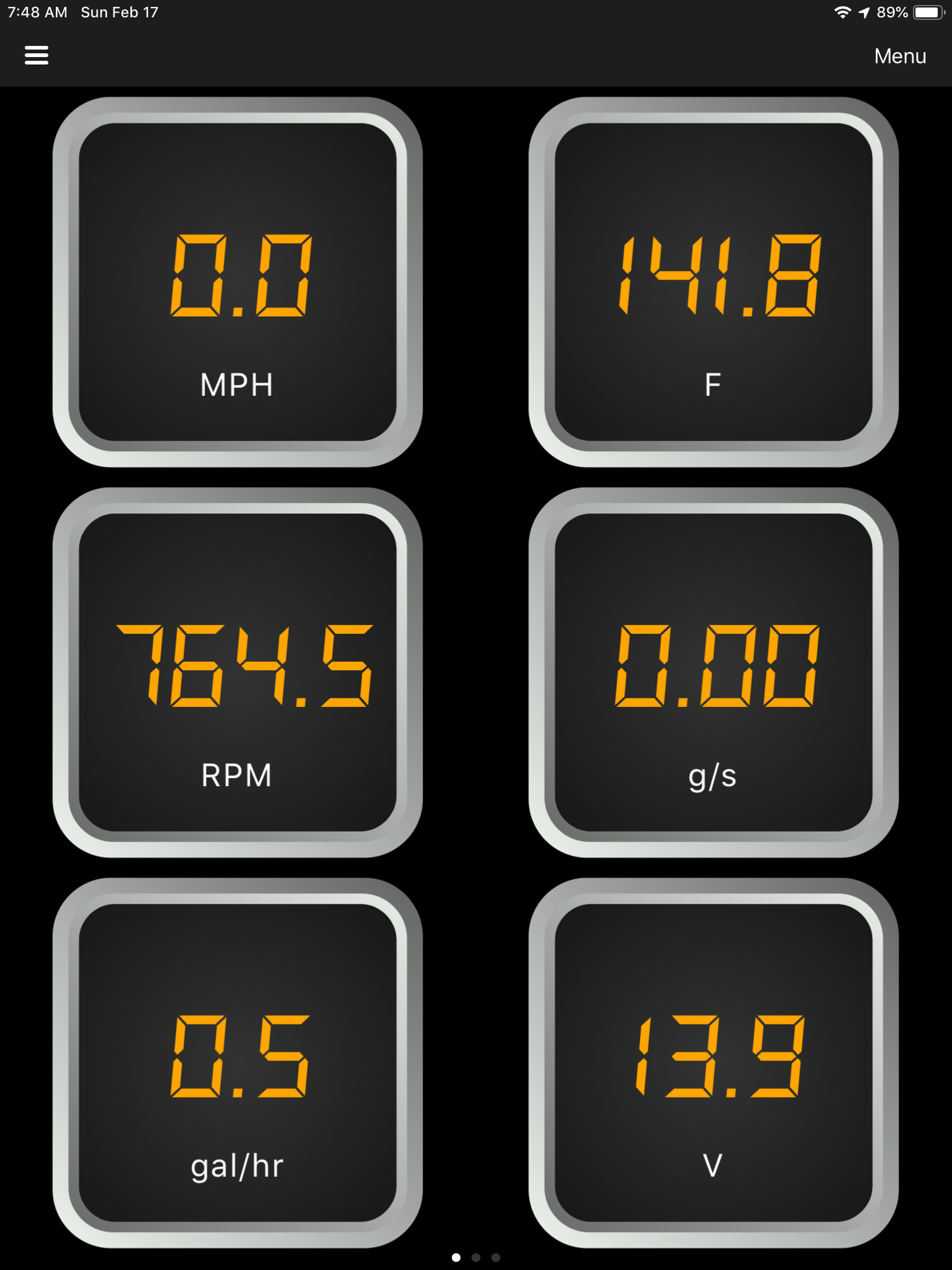
After some tweaking I am now able to get MAF reading on my system. Just a software glitch I guess because all I did was delete that gauge and reinstall it. Now I need to figure out how to get it to save the max reading. This is a snapshot at idle
Talos Takes Your 991 Porsche 911 GT3 to the Next Level for a Cool $1.13 Million
Slideshow: Talos Vehicles has transformed the Porsche 911 GT3 RS into a carbon-bodied, race-inspired machine that costs well over $1 million before the donor car is even included.
9 Vehicles Porsche Helped Engineer that Aren't Porsches
Slideshow: Long before engineering consulting became trendy, Porsche was quietly helping other automakers build everything from supercars to economy hatchbacks.
9 Features and Characteristics That Only Porsche People Understand
Slideshow: Some brands build cars. Porsche builds traditions, obsessions, and a few habits that stopped making sense decades ago but somehow became part of the charm.
This Builder Is Turning Heads With Its Slantnose 911 Creation
Slideshow: A small Polish tuner has reimagined the Porsche 911 Slantnose for the modern era, blending 1980s nostalgia with widebody tuning culture and serious performance upgrades.
Porsche 911 GT3 Artisan Edition Pays Homage to Japanese Culture
Slideshow: Porsche has created a Japan-only 911 GT3 Artisan Edition that blends track-ready hardware with design cues inspired by traditional Japanese craftsmanship.
Porsche Reveals Coupe Variant of the Electric Cayenne With a Fresh Look
Slideshow: Porsche's latest electric Cayenne Coupe blends dramatic styling with supercar acceleration, turning the brand's midsize SUV into a 1,139-horsepower flagship.






 MAF value = Horsepower potential