


Preparing my 928 for reliability

Thread Starter
Burning Brakes
Joined: Oct 2006
Posts: 1,069
Likes: 1
From: Pasco, WA
 Preparing my 928 for reliability
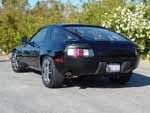
So as of now my 928 S4 auto sits at home awaiting my return during spring break when I can swap the winter beater for it.
I have only driven the car a total of 1000 miles since purchase and I have to drive it back 400 miles to school after spring break and it will need to be a DD reliably.
So my question is what needs to be looked at to make it reliable. I am aware of the TBF that 928s are prone to, but other than that what are common ailments to a 928.
Basically what do I need to do to keep from ending up on the side of the road.
TIA
-Catfood
I have only driven the car a total of 1000 miles since purchase and I have to drive it back 400 miles to school after spring break and it will need to be a DD reliably.
So my question is what needs to be looked at to make it reliable. I am aware of the TBF that 928s are prone to, but other than that what are common ailments to a 928.
Basically what do I need to do to keep from ending up on the side of the road.
TIA
-Catfood

Burning Brakes
Joined: Oct 2008
Posts: 972
Likes: 0
From: Palo Alto, CA
How is your electrical system? 90% of failures are electrical. 99% if you maintain TB/WP/crank end play, etc... these engines will take a serious beating and keep returning. If you're all set with the above mechanical issues, then I would say the next point of failure may be the LH brain or EZK, or the poorly-designed metal-on-plastic radiator. If you have a new rad, especially one of the all-aluminum ones, I'd say you're probably safe on that count. I'd say that in general if the car is running fine now, it will probably be running fine in 400 miles. I could be wrong, but in general I have had excellent experiences with the 928, and drove one as DD the last three years of college. I lived on campus, but I probably drove every other day, and the car never gave me a problem. Hauls a lot of kegs too 
Rennlist Member

Joined: Aug 2006
Posts: 963
Likes: 42
From: Cromwell, New Zealand
Catfood, here is what I would do.
1 - Fuel lines.
2 - other preventative maintenance items due, eg fluids, brakes, hoses etc etc.
These cars tend to be reliable as DD's if the PM is done.
Fuel lines if not done previously are the most pressing issue (big fire!!).
Most other items need only be done as the arise or are scheduled and are less likely to cause total loss.
Myles
1 - Fuel lines.
2 - other preventative maintenance items due, eg fluids, brakes, hoses etc etc.
These cars tend to be reliable as DD's if the PM is done.
Fuel lines if not done previously are the most pressing issue (big fire!!).
Most other items need only be done as the arise or are scheduled and are less likely to cause total loss.
Myles
Thread Starter
Burning Brakes
Joined: Oct 2006
Posts: 1,069
Likes: 1
From: Pasco, WA
I have recently completed a TB/WP/crank job, and the car is running with a new radiator.
What particularly happens when the LH Brain and EZK fail?
My favorite part about the 928 is when my friends have to do paper, rock, scissors to see who squeezes in the back.
What particularly happens when the LH Brain and EZK fail?
My favorite part about the 928 is when my friends have to do paper, rock, scissors to see who squeezes in the back.
Thread Starter
Burning Brakes
Joined: Oct 2006
Posts: 1,069
Likes: 1
From: Pasco, WA
The fuel rails have been recently cleaned and reinstalled. Are there any rubber ones that are prone to failure?
I have checked and replaced needed hoses as well as flushing and replacing every fluid & filter
I have checked and replaced needed hoses as well as flushing and replacing every fluid & filter
Thread Starter
Burning Brakes
Joined: Oct 2006
Posts: 1,069
Likes: 1
From: Pasco, WA
Trending Topics
Burning Brakes
Joined: Oct 2008
Posts: 972
Likes: 0
From: Palo Alto, CA
Ooh fuel lines. That's a big one. I just assumed it would have been done immediately after purchase, but yes, good call. Don't have a crispy 928. LH and EZK failures will result in an inability to start the car. get the FWSM (which you should have anyway, 10 bucks on CD), and you can learn more about the symptoms there under the troubleshooting section. It's very thorough.
Nordschleife Master
Joined: Jun 2006
Posts: 6,297
Likes: 63
From: ɹəpun uʍop 'ʎəupʎs
On a low student budget, I'd replace the fuel lines with the kit from Roger Tyson, buy a couple of spare 253 relays (fuel pump, ignition etc.), replace the heater valve hose (and the $18 valve too if it doesn't hold vacuum), a roll of self-amalgamating silicone tape (for hose repairs if a radiator/coolant hose springs a leak).
Then do any fluids due for replacement and check levels of those that aren't, check the brake pads, and drive
Beyond that minimum set, I'd look for fire-flies on the plug wires in the dark, check condition of rotors/caps, and save money for an intake refresh or any unforeseen problems that may spring up like fuel pump death, MAF replacement etc.
Then do any fluids due for replacement and check levels of those that aren't, check the brake pads, and drive
Beyond that minimum set, I'd look for fire-flies on the plug wires in the dark, check condition of rotors/caps, and save money for an intake refresh or any unforeseen problems that may spring up like fuel pump death, MAF replacement etc.
Rennlist Member
Joined: Jan 2004
Posts: 12,620
Likes: 8
From: Boulder Creek, CA
In addition to above:
- All critical rubber under the hood should be checked/replaced if needed.
- Clean all major power points; battery terminals, Alternator/Starter connections, Jump post connection(replace cover if missing), B+ studs on top of CE panel.
- Clean all ground points(see FAQ).
- Have the battery load tested.
- Check all belts, or just replace them all and put the old ones in the tire well as spares.
- Fuel filter if you don't know when it was last done
- Make sure cowl drain is clear
- Pour lots of water down the cowl in front of the pass. side wiper, checking for drips above the CE panel. If you see any drips, re-seal the blower box.
- If you have a sunroof, get a length of small-diameter weed-wacker line and gently clear the drains at each corner of the sunroof.


Former Vendor
Joined: Feb 2005
Posts: 15,228
Likes: 2,529
From: Anaheim
Nordschleife Master

Joined: Apr 2003
Posts: 9,601
Likes: 39
From: Abbotsford B.C.
If the LH is not the new style upgrade/repair now to prevent downtime.
If you pop the cover off and go to JDS website you can see what the new tile should look like.
The other thing to consider is buying a new fuel pump and keep it in the box. As they do fail as well.
If you pop the cover off and go to JDS website you can see what the new tile should look like.
The other thing to consider is buying a new fuel pump and keep it in the box. As they do fail as well.

