




Break in period
Rennlist Member

Joined: Jan 2006
Posts: 2,362
Likes: 442
From: Alpharetta, GA

Thanks for the info! I appreciate your opinions and they sound logical, but other posters (notably Doug Hillary who works in the oil industry) had produced conflicting information. I'm just trying to get a sense of who thinks what, and based on what background. It would seem that there are a number of people who feel as you do, and all of whom grew up working on engines (mostly as a hobby or semi-profession). I'm just wondering how much of that anecdotal experience (as opposed to experience gained working in oil or auto company labs) applies to Porsche's ultra-modern engine design and the synthetic oils they use.
No dig meant at your background, its just interesting to see. I don't think we will every have a final answer to this question.
No dig meant at your background, its just interesting to see. I don't think we will every have a final answer to this question.
Poseur
Rennlist Member
Rennlist Member


Joined: Nov 2005
Posts: 17,743
Likes: 294
From: Santa Barbara, CA
Keep in mind that the 'break in' oil is quickly drained after the engines are run up and you get fresh Mobil 1 to drive off with whne you get the car. I personally plan to never change oil more than every 8-10,000 miles. Doug Hillary's explanations make the most sense to me.
Pro
Joined: Jul 2005
Posts: 682
Likes: 220
From: Scottsdale, AZ
Originally Posted by Edgy01
Keep in mind that the 'break in' oil is quickly drained after the engines are run up and you get fresh Mobil 1 to drive off with whne you get the car. I personally plan to never change oil more than every 8-10,000 miles. Doug Hillary's explanations make the most sense to me.
Murphyslaw explaination of the expansion/contraction makes a lot of sense, so the suggestion of taking long trips (with varing RPM) may not be the best way to 'break-in' the engine.
Rennlist Member
Joined: Aug 2006
Posts: 9,213
Likes: 1,907
From: Chicago, IL
Originally Posted by gravedgr
...how much of that anecdotal experience (as opposed to experience gained working in oil or auto company labs) applies to Porsche's ultra-modern engine design and the synthetic oils they use...
My discussion was about break-in, so if Porsche engines are broken-in at the factory, and I did not know that they were, then we need not worry about that aspect. In that case, we should follow the "standard" oil change interval, whatever that happens to be.
Rennlist Member
Joined: Aug 2006
Posts: 9,213
Likes: 1,907
From: Chicago, IL
Originally Posted by Deven
This is what I have also heard, that the engine is 'bathed' with 100 litres of oil during the time it is taken to 'redline' at the factory. As a result, my suspicion is that most impurities/metal fillings etc are washed out. I too do not understand the logic of waiting for 20000 miles, especially since I am paying for the oil change, and since any future liability will fall on Porsche (if oil related engine issues occur). Maybe Porsche has tested 20000 mile oil and felt that it was still in good shape? Or maybe Mobil 1 has such data?
Murphyslaw explaination of the expansion/contraction makes a lot of sense, so the suggestion of taking long trips (with varing RPM) may not be the best way to 'break-in' the engine.
Murphyslaw explaination of the expansion/contraction makes a lot of sense, so the suggestion of taking long trips (with varing RPM) may not be the best way to 'break-in' the engine.
Rennlist Member
Joined: Aug 2006
Posts: 9,213
Likes: 1,907
From: Chicago, IL
Also, don't forget that Doug is quoted many times as sayding "I would NOT leave ANY oil in my vehicles longer than 12 months." This usually takes care of the 15,000-20,000 mile question, because few people drive that many miles on their P-cars.
Pro
Joined: Jul 2005
Posts: 682
Likes: 220
From: Scottsdale, AZ
Originally Posted by murphyslaw1978
Also, don't forget that Doug is quoted many times as sayding "I would NOT leave ANY oil in my vehicles longer than 12 months." This usually takes care of the 15,000-20,000 mile question, because few people drive that many miles on their P-cars.
Rennlist Stories
The Best Porsche Posts for Porsche Enthusiasts
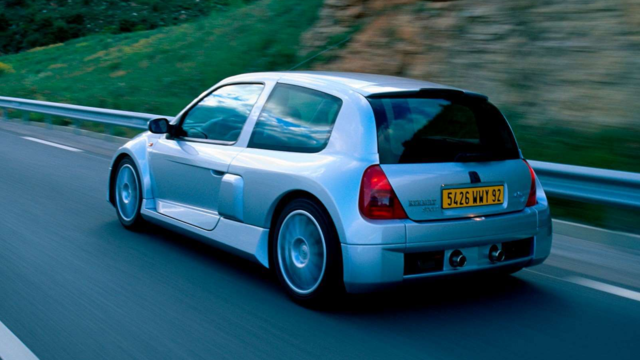
9 Vehicles Porsche Helped Engineer that Aren't Porsches
Verdad Gallardo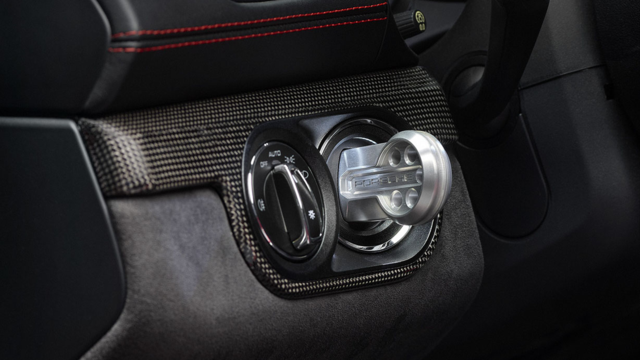
9 Features and Characteristics That Only Porsche People Understand
Verdad Gallardo
I've Written 500 Rennlist Articles: Here's How Porsche Has Changed Along the Way
Joe Kucinski
10 Most Unnecessary Porsches Ever Built (And Why We Love Them)
Verdad Gallardo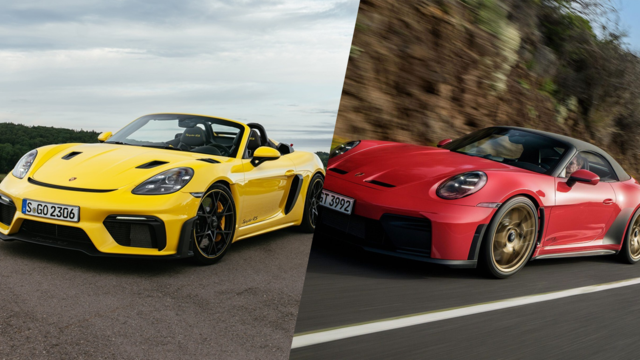
Porsche 911 GT3 S/C vs 718 Spyder RS: 10 Categories, One Winner
Joe Kucinski
This Builder Is Turning Heads With Its Slantnose 911 Creation
Verdad Gallardo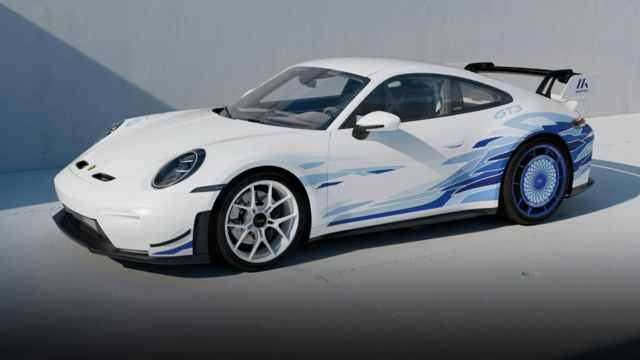
Porsche 911 GT3 Artisan Edition Pays Homage to Japanese Culture
Verdad Gallardo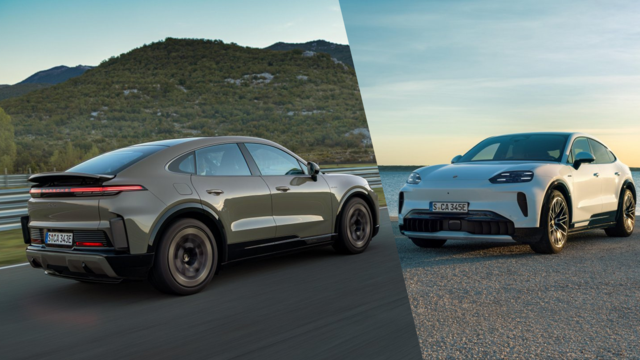
Porsche Reveals Coupe Variant of the Electric Cayenne With a Fresh Look
Verdad Gallardo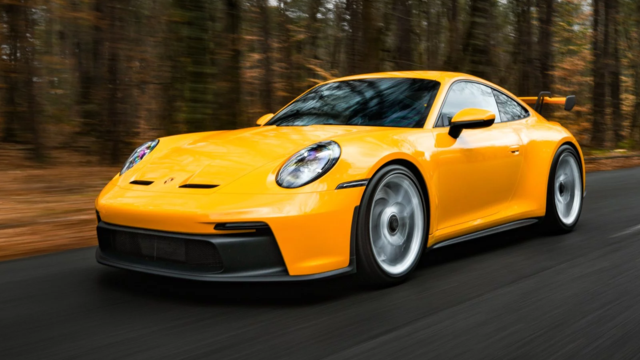
10 Porsche Colors That Have More Personality Than Most People
Verdad Gallardo
Thread Starter
Advanced
Joined: Aug 2006
Posts: 73
Likes: 0
From: Los Angeles, Ca
Originally Posted by cosmos
Make sure engine is warm, that is secret.
Drive it like you stole it.
Use lots of Engine braking down hills.
Make sure you let engine settle before shuting off.
Change ALL fluids, diff, tranny, engine after 1000 miles and again at 5000.
Good Luck.
Drive it like you stole it.
Use lots of Engine braking down hills.
Make sure you let engine settle before shuting off.
Change ALL fluids, diff, tranny, engine after 1000 miles and again at 5000.
Good Luck.

Rennlist Member
Joined: Nov 2002
Posts: 4,161
Likes: 1,579
From: Between rock and hard place
My other cars, BMW's come with free maintance.
I do lease the cars (except P cars) and I want the person after me to get a good strong car. I do however drive them sort of like I stole them.
That being said....I would do a oil and filter change at 1000 miles and then another at 5000, and then I dont touch it. BMW pays for all the other oil changes. The light comes on at 15k mile mark. It is supposed to be measured with the type of driving and other factors, but its almost at 15k miles on the dot.
BUT...on the GT3 I did an oil change at 1000, 1500 and then every 2500.
I also changed all fluids at the 1000 mile mark, tranny, diff and then did a brake fluid change, but that was to SRF.
I do lease the cars (except P cars) and I want the person after me to get a good strong car. I do however drive them sort of like I stole them.
That being said....I would do a oil and filter change at 1000 miles and then another at 5000, and then I dont touch it. BMW pays for all the other oil changes. The light comes on at 15k mile mark. It is supposed to be measured with the type of driving and other factors, but its almost at 15k miles on the dot.
BUT...on the GT3 I did an oil change at 1000, 1500 and then every 2500.
I also changed all fluids at the 1000 mile mark, tranny, diff and then did a brake fluid change, but that was to SRF.
