When you click on links to various merchants on this site and make a purchase, this can result in this site earning a commission. Affiliate programs and affiliations include, but are not limited to, the eBay Partner Network.
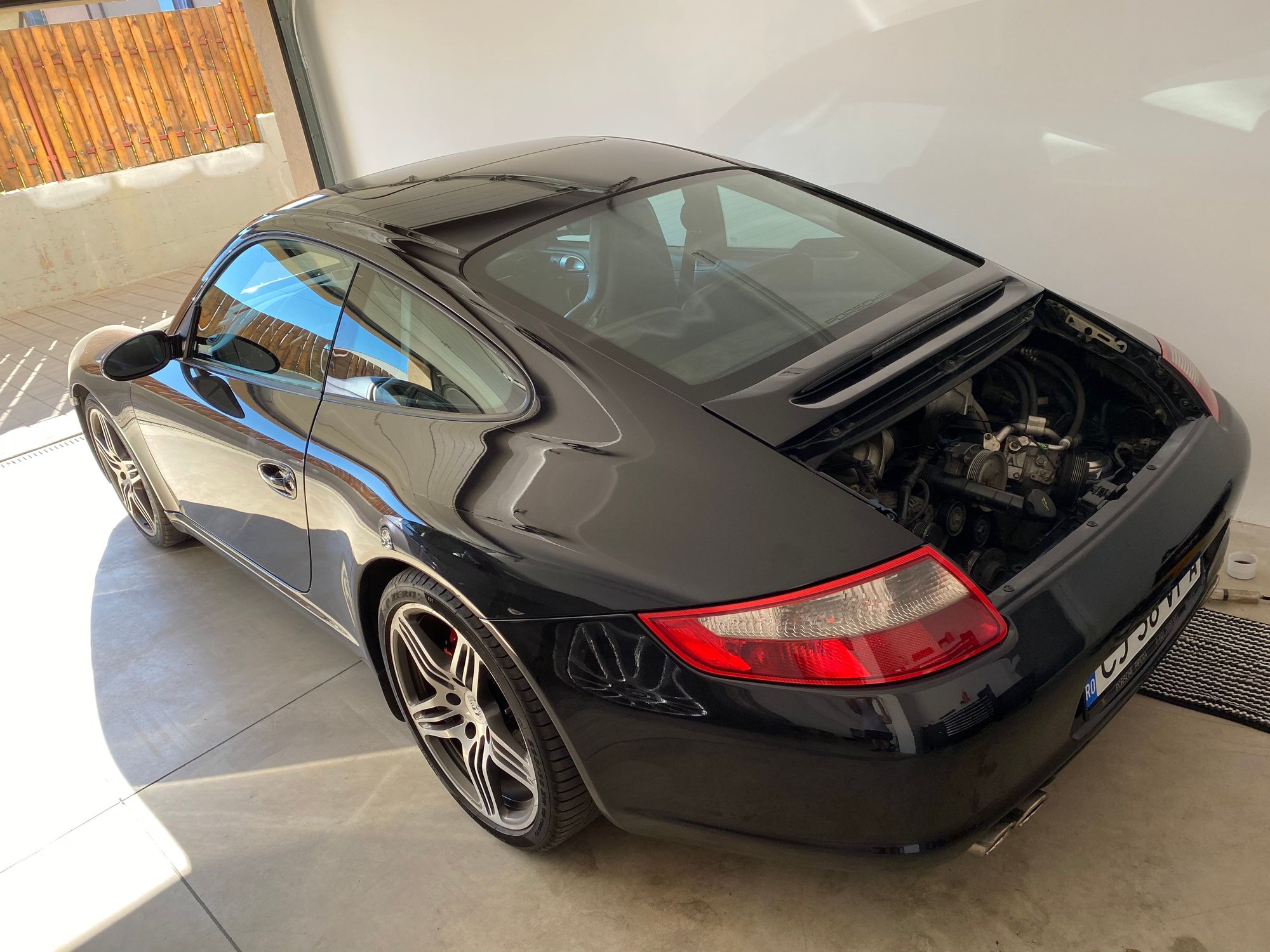
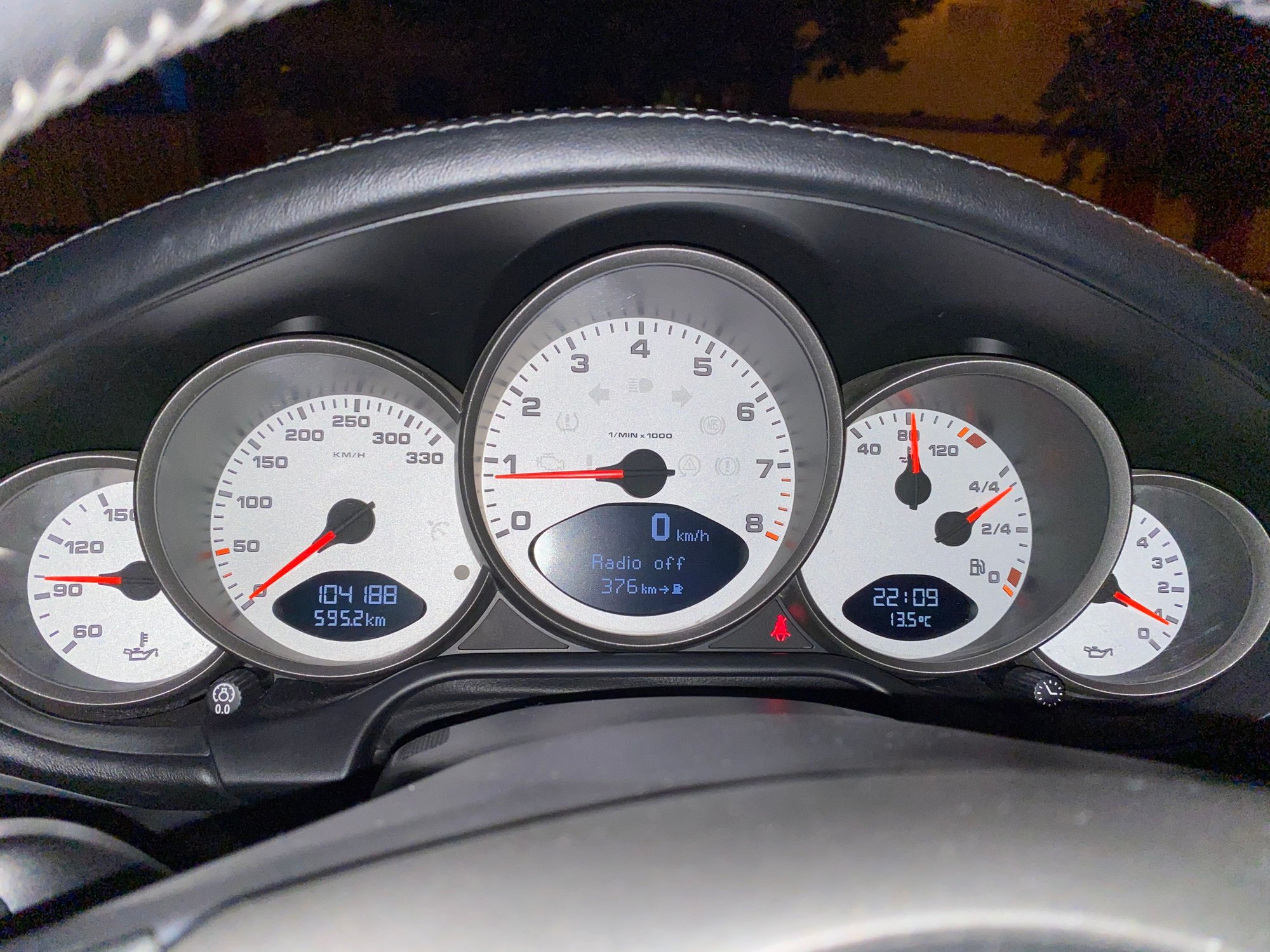
I think its my first post here, I have a manual '07 C2S with 104.000 km. I was experiencing low oil pressure at idle (0.5), but OK when revved. Until one day, recently, when idle started to be rough (it was shaking me a little at idle). And a few blocks from where this started to happen, I got a warning that the oil pressure is very low when at idle. I kept it revved so it would indicate always above 1.5 - 2 and got home. I thought the sender is bad and had one expecting to arrive in the mail along with two new mounts. However, no ticking sound to support the low oil pressure indication. Since June when I bought the car, I experienced a somewhat decrease in oil pressure at idle when oil is hot. It showed sometimes 1 bar, sometimes 0.5, sometimes 0.9 etc.
I changed the oil pressure sender and went for a drive, but nothing changed. The oil pressure was still low at idle and as soon as oil got to 90 degrees Celsius, the low oil pressure warning was shown at idle.
And on the way home, it started do make a high pitch noise, that wasn't amplified with the engine speed. After engine cut-off, the sound faded, but not instantly. I thought its a vacuum. With the oil cap off, the sound is gone. Also, it started to puff some white smoke at startup. Idle still rough.
Oil was changed at 99.000 with Mobil 1 0w40 by the previous owner and at 103.500 by me with Castrol 5w40 as I red it could help with the oil pressure at my mileage. It didn't, it kept showing the same 0.5 at idle at oil temperatures above 90, but mostly at 100-110. I checked the filter by cutting it and there weren't any signs of metal particles.
I do most of the repairs in my garage, because I'm an enthusiast and there aren't many (or any) Porsche mechanics in the area.
Could it be the AOS and could that affect the oil pressure indication ?
LE: Yes it was the AOS, but do read further please.
Last edited by madonion48; Oct 7, 2020 at 03:41 PM.
The whistling sound that goes away with the oil cap off certainly points to the AOS. Any smoke out the exhaust? Can you remove the oil fill cap with the engine running or is it sucked in place by vacuum?
The whistling sound that goes away with the oil cap off certainly points to the AOS. Any smoke out the exhaust? Can you remove the oil fill cap with the engine running or is it sucked in place by vacuum?
Interesting - so normally can you remove the oil fill cap while running or being sucked in place is normal?
Interesting - so normally can you remove the oil fill cap while running or being sucked in place is normal?
Normally you can remove it if the AOS is functioning correctly. Glued in place by vacuum is a failure mode. You could also hook up a manometer to the oil filler neck. Around 7 or 8 is normal. A failed AOS will read much higher than that.
When my AOS went bad I got this whistling sound that was like an alternator belt slipping on an old car. I was looking around for an old jalopy slipping it's accessories belt and making all that whistling noise... turned out it was me!!! I don't recall having any oil pressure issues with mine though.
vid showing example removing oil cap and what to look for.
My AOS just went at 87 000 miles. I did not notice anything odd, and 1 day in the morning, large puff of white smoke from exhaust. At first I thought it was dust (dust storm the night before), so I actually did not pay attention to it. Check engine light went on after 20 miles with codes 2187/2189 (system too lean at idle). White smoke for about 5 seconds at cold start on the way at home. I did not drive it till I took it in, and hardly any white smoke on subsequent cold starts. I was worried about something serious, but it was the AOS.
MadOnion, if you plan to measure the vacuum with a home-made water column manometer (like I did, that's how I know ), be prepared for the failed AOS to create enough vacuum to suck all the water right out of the manometer and into the crankcase. Rats...oil changes aren't toooo expensive, right?
MadOnion, if you plan to measure the vacuum with a home-made water column manometer (like I did, that's how I know ), be prepared for the failed AOS to create enough vacuum to suck all the water right out of the manometer and into the crankcase. Rats...oil changes aren't toooo expensive, right?
Yeah, a real manometer is better. This is the one LN Engineering sells.
Having the low oil pressure warning I wasn't to keen to let the engine run. I took the oil cap off and only after that I restarted the engine. The noise wasn't there anymore.
The morning after I started the car, there was A LOT of white smoke, that went almost away after the idle settled, but still puffed like in the video above. The noise wasn't present, maybe after it gets hot ? With the engine cold, I could take of the oil cap pretty easy, but there was still suction when I removed it.
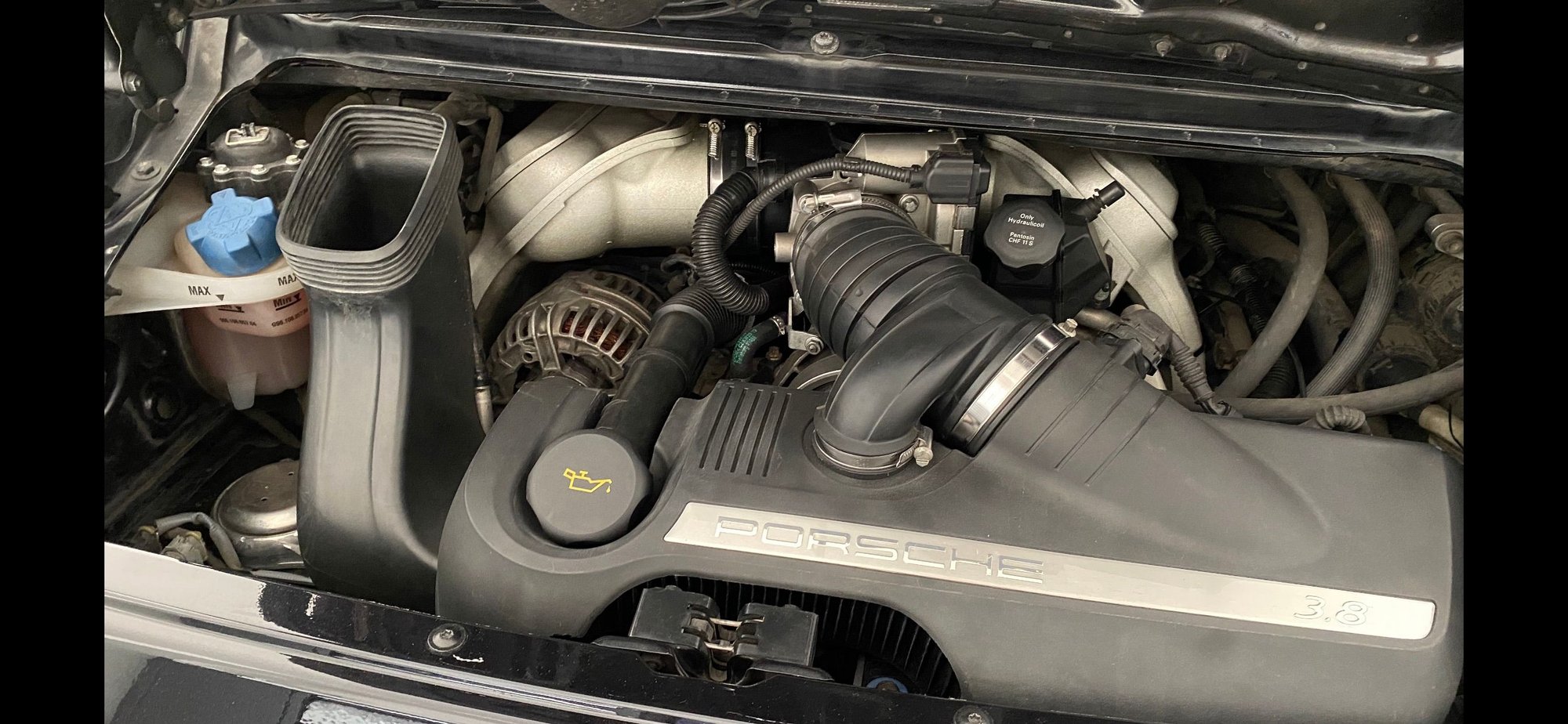
I disassembled the filter box, butterfly, plenum and I will continue with steering fluid and setting aside the AC compressor. From what I see, the AOS is very dirty. And its surroundings. Also there is a lot of oil in the plenum, so I believe in the intake too.
I will change the oil relief valve too. I know there is a revised version, but I don't know how to check if I already have it. Should I buy only the washer/spring/cilinder or should I also buy the screw too ?
I really hope its the AOS, I cannot believe that the engine is that worn out and that it happens so suddently at only 100k.
What I have found, maybe the AOS will fix that too :
A failed AOS (with high vacuum readings) can cause the engine oil pressure warning light to illuminate. This is usually from too low of engine idle, a cause and effect condition created by a faulty AOS.
Noise is gone and no more oil pressure warning at hot idle. I noticed that pressure got a hint better, at 100 oil temperature I get 0.8. Still low, but it’s very good while driving.
Next I will check with a manometer to see the real pressure. I will get back with more info.
When oil temp is warmed up and hot 0.8 - 1.0 oil pressure at idle is about normal. Then the oil pressure should follow your rpms so that at 3000 rpm you will be at a 3 for oil pressure. 4000 rpm should read about 4 for the oil pressure as well.
Glad you got the AOS replaced. Great job! Hope this solves all the issues you were having.
If you don't have a manometer handy, a normally functioning AOS means that you can easily remove the oil cap at idle and that after that you will hear a sucking-in hissing sound and the engine will idle roughly. If you put your hand on the open oil filler neck there will barely be any sensation of a vacuum. After putting the cap back on, the hissing sound and rough idle both go away.
Talos Takes Your 991 Porsche 911 GT3 to the Next Level for a Cool $1.13 Million
Slideshow: Talos Vehicles has transformed the Porsche 911 GT3 RS into a carbon-bodied, race-inspired machine that costs well over $1 million before the donor car is even included.
9 Vehicles Porsche Helped Engineer that Aren't Porsches
Slideshow: Long before engineering consulting became trendy, Porsche was quietly helping other automakers build everything from supercars to economy hatchbacks.
9 Features and Characteristics That Only Porsche People Understand
Slideshow: Some brands build cars. Porsche builds traditions, obsessions, and a few habits that stopped making sense decades ago but somehow became part of the charm.
This Builder Is Turning Heads With Its Slantnose 911 Creation
Slideshow: A small Polish tuner has reimagined the Porsche 911 Slantnose for the modern era, blending 1980s nostalgia with widebody tuning culture and serious performance upgrades.
Porsche 911 GT3 Artisan Edition Pays Homage to Japanese Culture
Slideshow: Porsche has created a Japan-only 911 GT3 Artisan Edition that blends track-ready hardware with design cues inspired by traditional Japanese craftsmanship.
Porsche Reveals Coupe Variant of the Electric Cayenne With a Fresh Look
Slideshow: Porsche's latest electric Cayenne Coupe blends dramatic styling with supercar acceleration, turning the brand's midsize SUV into a 1,139-horsepower flagship.




 AOS gone ?





 ), be prepared for the failed AOS to create enough vacuum to suck all the water right out of the manometer and into the crankcase. Rats...oil changes aren't toooo expensive, right?