





Engine Braking?
Thread Starter
Nordschleife Master

Joined: Oct 2012
Posts: 6,535
Likes: 1,400
From: SW Colorado
 Engine Braking?
During my drive in the San Juan mountains yesterday, I noticed some odd behavior when coasting down hill. I have a 991.2 C2 (with MT). After downshifting for some steep declines, I felt the expected engine braking. But after coasting for a bit, suddenly the car felt like it was no longer in gear, and it sped up. This happened repeatedly, and in different gears.
Anyone else experience this?
Anyone else experience this?

Race Car
Joined: Nov 2013
Posts: 4,071
Likes: 690
From: Austin, TX
However, OP states that he has a manual transmission. Coasting (aka gliding) is only a PDK feature. It requires the clutch to release and the car can't do that on a manual tranny.
The only time I've felt this sensation in manual cars, and it was rare, was when coasting and the RPMs finally get down to a level when engine braking stops and the car's engine is starting to engage forward motion again even with the accelerator not being pressed. This requires a drop to near-idle RPMs to happen. In any non-downhill situation this is where the engine would start lugging, but in a downhill it has gravity to help with the load..
The only time I've felt this sensation in manual cars, and it was rare, was when coasting and the RPMs finally get down to a level when engine braking stops and the car's engine is starting to engage forward motion again even with the accelerator not being pressed. This requires a drop to near-idle RPMs to happen. In any non-downhill situation this is where the engine would start lugging, but in a downhill it has gravity to help with the load..
Thread Starter
Nordschleife Master
Joined: Oct 2012
Posts: 6,535
Likes: 1,400
From: SW Colorado
Thanks for answers so far. I had Auto-stop disabled (I checked twice). And I felt this sensation even when the revs were moderately high (I can't remember what the tach said, but the engine noise was fairly high).

Rennlist Member
Joined: May 2012
Posts: 1,732
Likes: 468
I have a 991.1 GTS with a manual tranny. I have long been suspicious the throttle is being opened under high vacuum conditions since the braking is less than I have experienced in cars with mechanical throttle linkages. This behavior has been noticed when using engine braking that suddenly decreases. Maybe the fuel turned on again as the rpm decreased. So much simpler when we mechanical linkages.

Burning Brakes

Joined: Feb 2017
Posts: 1,219
Likes: 138
From: Golden, CO
There's a system on all modern cars called decal fuel shutoff. That means that when you take your foot off the throttle and are coasting, the engine management system stops injecting fuel into the engine to reduce fuel consumption.
If you continue coasting, and the engine rpm falls, the fuel turns back on at some point to make sure the engine doesn't stall. That rpm varies, but it's usually around 1000. This does not usually create a major change in engine braking. The fuel is usually turned on gradually to make this transition nearly seamless. ON my 911.2 MT, I have to be paying attention to notice it.
If you continue coasting, and the engine rpm falls, the fuel turns back on at some point to make sure the engine doesn't stall. That rpm varies, but it's usually around 1000. This does not usually create a major change in engine braking. The fuel is usually turned on gradually to make this transition nearly seamless. ON my 911.2 MT, I have to be paying attention to notice it.
Trending Topics
Thread Starter
Nordschleife Master
Joined: Oct 2012
Posts: 6,535
Likes: 1,400
From: SW Colorado
Thanks, guys. I noticed this again yesterday when driving to southern AZ on hwy 77, and crossed the Salt River (awesome, twisting descent and then climb with lots of 2nd and 3rd gear). I could definitely feel the sudden reduction in engine braking at times.
Rennlist Stories
The Best Porsche Posts for Porsche Enthusiasts
Porsche Reveals Coupe Variant of the Electric Cayenne With a Fresh Look
Verdad Gallardo
10 Porsche Colors That Have More Personality Than Most People
Verdad Gallardo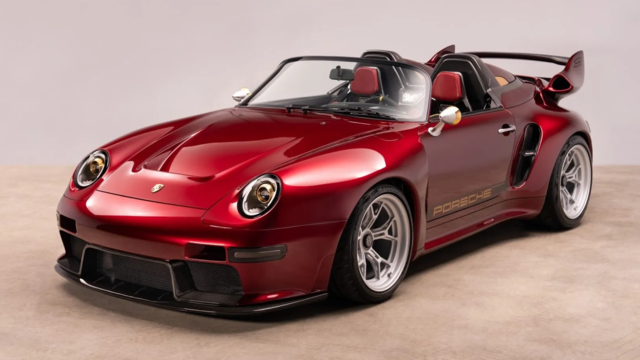
Guntherwerks' Final Speedster Creation Is the Ultimate Porsche Restomod
Verdad Gallardo
10 Reasons I Hate Going to the Porsche Dealership (& the 1 Reason I Stay)
Joe Kucinski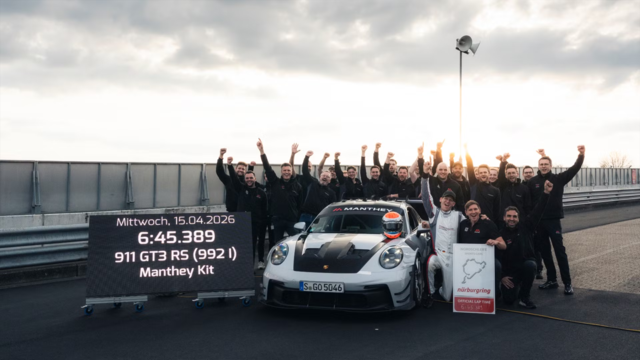
Porsche Shakes Up The Nürburgring Lap Record Table Once Again
Verdad Gallardo
6 Ways the Porsche 911 GT3 S/C Redefines Performance
Joe Kucinski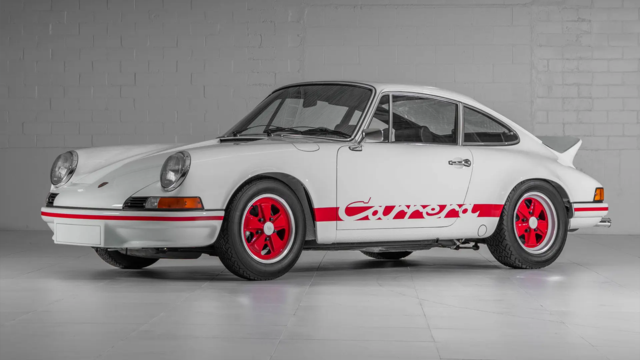
10 Wildest Homologation Specials Porsche Ever Sold
Verdad Gallardo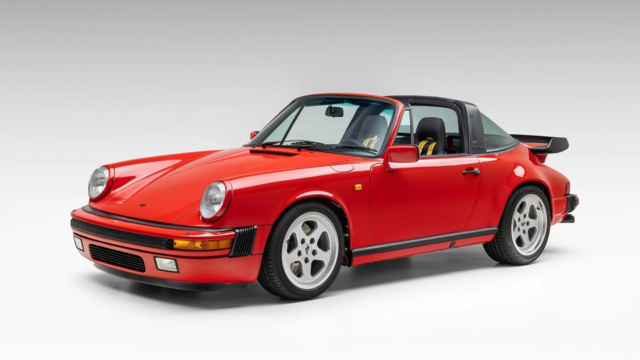
Super Rare RUF BTR III Comes Out of Hibernation, Looking For a New Home
Verdad Gallardo
10 Porsche Opinions That Can Start a Fight
Joe Kucinski
Thread Starter
Nordschleife Master
Joined: Oct 2012
Posts: 6,535
Likes: 1,400
From: SW Colorado
One more bit of data: coasting down the Catalina Hwy from Mt. Lemmon, mostly 3rd gear and between 35 and 50 mph, the key rpm was about 3000. As the car sped up and the engine hit 3000 rpm, it felt like the engine braking dropped off--not completely but the car speed did surge a bit. And this was very repeatable.