





991s weight difference?

Race Car
Joined: Jun 2012
Posts: 4,522
Likes: 63

Impossible to say. Options don't always add weight. Example: PCCB. Options that do add weight, can add different amounts. Examples: three wheel options and two sunroof options, each with different weights. But even if you get all specific with your list there's still the problem of trying to determine the weight difference between the different seats, for example. How important is it to know how many ounces you're saving going with standard instead of full leather? My guess is the weight difference between the heaviest and lightest optioned cars is somewhere around a half of a tank of gas.
Instructor
Joined: Mar 2013
Posts: 248
Likes: 8
From: Colorado/Paris
In my research I came across this from the forum Rennteam 2.0 about the weight penalty of some of the options. Take it for what it's worth, but options do in fact add weight. The curb weight of a 991S with zero options is 3120 lbs. (Porsche North America) vs. 3300 lbs +/- of a nicely optioned car. (Motor Trend, Car & Driver etc..)
"Our weight measurements have gotten some attention around Stuttgart, so I received this breakdown of options weight that goes some way (but not all the way) in explaining the difference between the claimed 1415kg DIN and the 1530kg we measured with the first car we tested. These are figures communicated through the PR department:
PASM & PDCC: approx 24 kg
Sunroof: approx 15 kg
18-waysport seats: approx 10 kg (for the pair, delta vs the standard 4-wayseats, does not sound like much)
Soundpaket BOSE: approx 4 kg
Sport-Design wheels: approx 4 kg
Seat ventilation: approx 3 kg
Extinguisher: approx 3 kg (which our car(s) were not equippedwith)
Another 4.5kg go in the fact that the DIN norm specifies a 90%tank while we measure with a full tank, so that's 6.4L of excess(unleaded) liquid at 0.7 density. They did not mention PSE so I amnot sure whether any weight addition results from it, neither PCM."
....and then this regarding the specifics of PDCC:
"PDCC components are:
1 - an electronic control unit (in front of the car);
2 & 8- two valve blocks, one in front of the car and one in the rear;
3& 6 & 12 - one hydraulic pump with a hydraulic reservoir andone oil/water heat exchanger (all three in the rear of the car);
4& 7 - two special designed anti-roll bars (one front-axle bar andone rear-axle bar);
5 & 10 - four actuators, two per each axleor one per each corner of the car (instead of connecting link/suspension/stabiliser on vehicles without PDCC)
9 is the PASM switch. 11 is a T-piece. Also pipes, liquid, joints,etc.
Heavy system for a sport car if you ask me. I estimate about 20kg in parts and the heavier ones are in the rear."
"Our weight measurements have gotten some attention around Stuttgart, so I received this breakdown of options weight that goes some way (but not all the way) in explaining the difference between the claimed 1415kg DIN and the 1530kg we measured with the first car we tested. These are figures communicated through the PR department:
PASM & PDCC: approx 24 kg
Sunroof: approx 15 kg
18-waysport seats: approx 10 kg (for the pair, delta vs the standard 4-wayseats, does not sound like much)
Soundpaket BOSE: approx 4 kg
Sport-Design wheels: approx 4 kg
Seat ventilation: approx 3 kg
Extinguisher: approx 3 kg (which our car(s) were not equippedwith)
Another 4.5kg go in the fact that the DIN norm specifies a 90%tank while we measure with a full tank, so that's 6.4L of excess(unleaded) liquid at 0.7 density. They did not mention PSE so I amnot sure whether any weight addition results from it, neither PCM."
....and then this regarding the specifics of PDCC:
"PDCC components are:
1 - an electronic control unit (in front of the car);
2 & 8- two valve blocks, one in front of the car and one in the rear;
3& 6 & 12 - one hydraulic pump with a hydraulic reservoir andone oil/water heat exchanger (all three in the rear of the car);
4& 7 - two special designed anti-roll bars (one front-axle bar andone rear-axle bar);
5 & 10 - four actuators, two per each axleor one per each corner of the car (instead of connecting link/suspension/stabiliser on vehicles without PDCC)
9 is the PASM switch. 11 is a T-piece. Also pipes, liquid, joints,etc.
Heavy system for a sport car if you ask me. I estimate about 20kg in parts and the heavier ones are in the rear."

Instructor
Joined: Oct 2009
Posts: 227
Likes: 0
It's really pretty significant when you consider the extremes.
Example:
a)C2S, 7 sp manual, few options, no sunroof
b) C4S, cabriolet, PDK, PDCC, etc.etc...
When you factor in extra AWD weight, extra cab. weight, extra PDK weight, and PDCC, etc.... it can potentially add up to 300 pounds of extra weight
Example:
a)C2S, 7 sp manual, few options, no sunroof
b) C4S, cabriolet, PDK, PDCC, etc.etc...
When you factor in extra AWD weight, extra cab. weight, extra PDK weight, and PDCC, etc.... it can potentially add up to 300 pounds of extra weight
Instructor
Joined: Mar 2013
Posts: 248
Likes: 8
From: Colorado/Paris
I'm looking for the source but can't find it now. In all likelyhood it came from Rennteam 2.0, but the difference between the base audio system and the bose was about 7 lbs and another 6 lbs. for the burmester.
Trending Topics
Instructor
Joined: Mar 2013
Posts: 248
Likes: 8
From: Colorado/Paris
Found it on Rennteam 2.0
Base: 6.2 lbs.
Bose: 11.97 lbs.
Burm: 14.00 lbs.
So the difference in weight is marginal, however the difference in sq is not proportinate to the difference in weight.
Base: 6.2 lbs.
Bose: 11.97 lbs.
Burm: 14.00 lbs.
So the difference in weight is marginal, however the difference in sq is not proportinate to the difference in weight.
Rennlist Stories
The Best Porsche Posts for Porsche Enthusiasts

Stunning Porsche 356A Super GT Speedster Auction Fails to Meet Reserve
Verdad Gallardo
Every Era of 911 Owner Explained in One Sentence
Verdad Gallardo
Thinking of Buying a Porsche? Do These 10 Things First
Joe Kucinski
Pixar Pals Turned Into 1-of-1 Porsches!
Michael S. Palmer
Theon Goes Full Carbon Fiber With Stunning New Build
Verdad Gallardo
Genius Porsche-Themed Gifts That'll Make Any Dad or Grad Smile
Joe Kucinski
10 Used Porsches Are Selling for Way Too Cheap
Joe Kucinski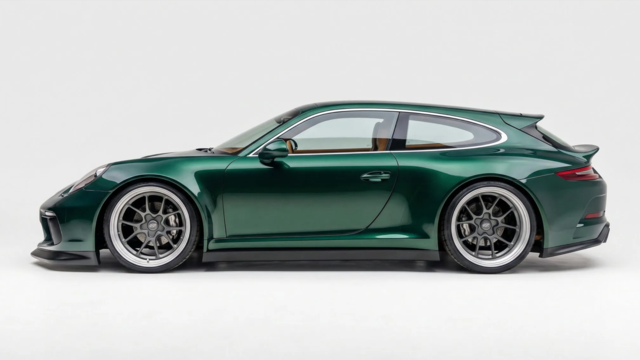
Tuner Is Converting Porsche 911s Into Shooting Brakes
Verdad Gallardo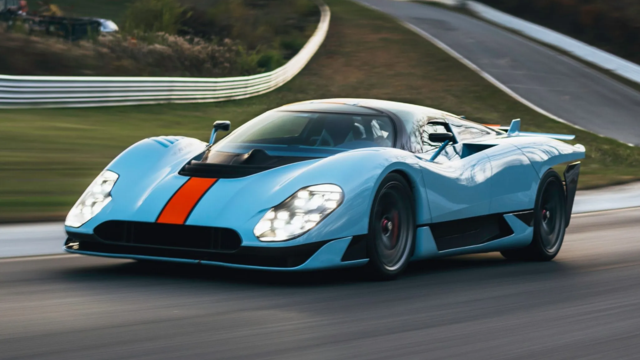
This Coachbuilt Creation Is A Modern Take on the Legendary Porsche 917
Verdad Gallardo

Instructor
Joined: Mar 2013
Posts: 248
Likes: 8
From: Colorado/Paris
Yes you are correct, the 991 S weighs 3120 lbs in base form. The sunroof and pdcc are two of the heaviest options.
