





First start after 15 years parked - Intake Restored

Thread Starter
Instructor
Joined: May 2011
Posts: 211
Likes: 1
From: São Paulo - SP - Brazil
 First start after 15 years parked - Head gasket leak
Hi folks !
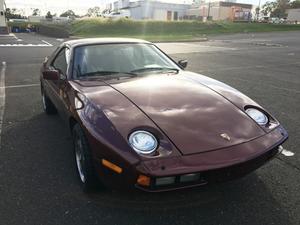
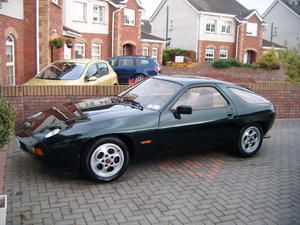
I'm from Brazil and 928 is a very rare beast down here... About two weeks ago I bought one 78 parked for about 15 years with 56K Km (about 35K miles). Both exterior and interior needs a serious restoration.
Next weekend i'll try to start the engine, but many doubts about that...
What you experts in 928 can tell me to check before "flick the switch" (yeahhhh AC/DC) ?
Instead for the clutch pedal on the floor, everithing else seams to be visible OK.
My concern is that impossible to find parts down here (less than 10 cars was sold here), and i want to start right to avoid bigger problems.
Thank you guys !
JL
I'm from Brazil and 928 is a very rare beast down here... About two weeks ago I bought one 78 parked for about 15 years with 56K Km (about 35K miles). Both exterior and interior needs a serious restoration.
Next weekend i'll try to start the engine, but many doubts about that...
What you experts in 928 can tell me to check before "flick the switch" (yeahhhh AC/DC) ?
Instead for the clutch pedal on the floor, everithing else seams to be visible OK.
My concern is that impossible to find parts down here (less than 10 cars was sold here), and i want to start right to avoid bigger problems.
Thank you guys !
JL
Last edited by jmartins; Sep 15, 2012 at 09:01 PM.
Racer

Joined: Aug 2008
Posts: 279
Likes: 20
Hi,
There are many threads here about starting a 928 for the first time after many years of sitting. Try searching for "starting for the first time, etc." The main thing is checking out all the rubber fuel lines on the engine and replacing them if they look cracked or are very hard and not flexible. There are things like checking the condition of the timing belt, draining the old fuel, replacing the fuel filter, removing the plugs and shooting some oil down the cylinders, then removing the fuel pump relay and cranking the engine to build up some oil pressure before "flicking the switch" as you put it. As far as the clutch goes, you might want to look into why there is no pressure. Is there brake fluid in the reservoir? Any visible leaks up top or down by the clutch slave cylinder? As long as the car is in neutral, you can try to start it, just don't try to move it without the clutch functioning properly. Let us know how you make out and take some pictures of whatever problems you encounter. Good luck.
Joe B.
There are many threads here about starting a 928 for the first time after many years of sitting. Try searching for "starting for the first time, etc." The main thing is checking out all the rubber fuel lines on the engine and replacing them if they look cracked or are very hard and not flexible. There are things like checking the condition of the timing belt, draining the old fuel, replacing the fuel filter, removing the plugs and shooting some oil down the cylinders, then removing the fuel pump relay and cranking the engine to build up some oil pressure before "flicking the switch" as you put it. As far as the clutch goes, you might want to look into why there is no pressure. Is there brake fluid in the reservoir? Any visible leaks up top or down by the clutch slave cylinder? As long as the car is in neutral, you can try to start it, just don't try to move it without the clutch functioning properly. Let us know how you make out and take some pictures of whatever problems you encounter. Good luck.
Joe B.
Rennlist Member

Joined: Jul 2002
Posts: 2,095
Likes: 2
From: Massachusetts
JL,
I don't have any advice for you on starting a car after 15 years, but good luck. Where in Brazil do you live? I travel down to Sao Paulo a couple of times a year for business. I've seen a few classic cars while there, but never a 928.
I don't have any advice for you on starting a car after 15 years, but good luck. Where in Brazil do you live? I travel down to Sao Paulo a couple of times a year for business. I've seen a few classic cars while there, but never a 928.
Racer
Joined: Mar 2011
Posts: 478
Likes: 1
From: dublin, ireland
hi welcome.this car might surprise as to how easy it might be to start after a long layup.fit the correct large battery, fresh fuel and try the key. restoring the car might be much more challenging,these cars often require lots and lots of replacement expensive parts at this age.i'm currently restoring a 1981 manual.i have spend €1k on new and used parts in the last 3 months.was the car stored inside or outside ? mark

Addict
Lifetime Rennlist
Member
Lifetime Rennlist
Member
Joined: Jul 2007
Posts: 4,539
Likes: 4
From: Germany
Wow, 15 years. I would certainly remove all sparkplugs and check the cylinders for coolant. Then oil down each cylinder and let sit for a few days. Then oil again. Let sit for a few days. Then very slowly turn the engine by hand without spark plugs. Check the coolant system, check the oil, oiling system, fuel system for slush, leaks etc. Drain the fuel tank and replace with fresh fuel. Replace the coolant and oil.
Actually after 15 years it is best to remove the engine and take it apart, clean it, reassemble then start it. Overhaul the timing belt, cooling system, fuel system, oiling system. Sounds like a mayor project to me. No way you're going to start it and just take off.
Actually after 15 years it is best to remove the engine and take it apart, clean it, reassemble then start it. Overhaul the timing belt, cooling system, fuel system, oiling system. Sounds like a mayor project to me. No way you're going to start it and just take off.
Racer
Joined: Mar 2011
Posts: 478
Likes: 1
From: dublin, ireland
Wow, 15 years. I would certainly remove all sparkplugs and check the cylinders for coolant. Then oil down each cylinder and let sit for a few days. Then oil again. Let sit for a few days. Then very slowly turn the engine by hand without spark plugs. Check the coolant system, check the oil, oiling system, fuel system for slush, leaks etc. Drain the fuel tank and replace with fresh fuel. Replace the coolant and oil.
Actually after 15 years it is best to remove the engine and take it apart, clean it, reassemble then start it. Overhaul the timing belt, cooling system, fuel system, oiling system. Sounds like a mayor project to me. No way you're going to start it and just take off.
Actually after 15 years it is best to remove the engine and take it apart, clean it, reassemble then start it. Overhaul the timing belt, cooling system, fuel system, oiling system. Sounds like a mayor project to me. No way you're going to start it and just take off.
Rennlist Member
Joined: Mar 2007
Posts: 3,670
Likes: 76
From: Central Virginia
I think first I would yank on a fuel line (breaks, install new ones which you will need to do anyway), then check oil and coolant levels (and appearance), and then I would turn the key. If the engine is frozen, no damage done because it won't turn. It it starts, get over the rush, if it doesn't, get over the funk, and then start prioritizing everything you need to do. You will be motivated by what just happened, in either case!
Trending Topics
Rennlist Stories
The Best Porsche Posts for Porsche Enthusiasts

Every Era of 911 Owner Explained in One Sentence
Verdad Gallardo
Thinking of Buying a Porsche? Do These 10 Things First
Joe Kucinski
Pixar Pals Turned Into 1-of-1 Porsches!
Michael S. Palmer
Theon Goes Full Carbon Fiber With Stunning New Build
Verdad Gallardo
Genius Porsche-Themed Gifts That'll Make Any Dad or Grad Smile
Joe Kucinski
10 Used Porsches Are Selling for Way Too Cheap
Joe Kucinski
Tuner Is Converting Porsche 911s Into Shooting Brakes
Verdad Gallardo
This Coachbuilt Creation Is A Modern Take on the Legendary Porsche 917
Verdad Gallardo
Is This Convertible Cayenne A Steal, Or A Returnless Investment?
Verdad Gallardo
Race Director
Joined: Sep 2007
Posts: 12,162
Likes: 383
From: Johnson City, TN
I've raised one up after a 10 year nap.
It was weeks of work cleaning and inspecting before I allowed myself to turn the engine over by hand, let alone with the key.
Think broadly to ensure zero damage can be done. For instance, I wouldn't remove a spark plug until certain that no debris can enter the cylinder. That means some serious topside cleaning.
One problem I had was a kind of semi-breakdown of the hoses, as they had run 70K miles before the car was put to sleep. Despite new hoses, the residue was spread through the system and it made me think the car had crankcase oil entering the cooling side --- turned out it was more likely sludge from the inside of the hoses that deposited in the radiator, block and reservoir.
Patience matters on this. It might be rewarded.
It was weeks of work cleaning and inspecting before I allowed myself to turn the engine over by hand, let alone with the key.
Think broadly to ensure zero damage can be done. For instance, I wouldn't remove a spark plug until certain that no debris can enter the cylinder. That means some serious topside cleaning.
One problem I had was a kind of semi-breakdown of the hoses, as they had run 70K miles before the car was put to sleep. Despite new hoses, the residue was spread through the system and it made me think the car had crankcase oil entering the cooling side --- turned out it was more likely sludge from the inside of the hoses that deposited in the radiator, block and reservoir.
Patience matters on this. It might be rewarded.
Addict
Rennlist Member
Rennlist Member
Joined: Sep 2010
Posts: 13,583
Likes: 1,046
From: Boulder Creek, CA


Thread Starter
Instructor
Joined: May 2011
Posts: 211
Likes: 1
From: São Paulo - SP - Brazil
 okay let's get back to the subject....
Thank you guys for all ideas. I'll compile all at a check list and try this weekend and I'll post the results with crossed fingers !
Nordschleife Master
Joined: Jun 2006
Posts: 6,297
Likes: 63
From: ɹəpun uʍop 'ʎəupʎs
Call me paranoid, but I'd go through several stages to address each system in turn.. and it may take you more than a weekend depending on how well it was stored and the state of the car.
Engine:
1. Clean the top side and vacuum the spark plug wells, then blow with high pressure air to remove anything that might fall in when you remove the plugs.
2. Remove the plugs, put a teaspoon of oil into each cylinder and replace the plugs.
3. Leave it for a while to let the oil spread its way around the rings.
4. Remove belt covers so you can see the timing belt
5. Go do ELECTRICAL and FUEL SYSTEM preparation steps below
6. After doing electrical and fuel system stuff, remove plugs, and turn the engine over by hand and watch the belt all the way around.
7. Drain the oil, replace with new 20W50 non-synthetic.
8. If all looks good, try turning it over with the starter (still with plugs out), and watch the belt, plus check to see if anything blows out the spark plug holes. Keep it cranking a few seconds until you see the oil pressure gauge rise.
9. Replace the spark plugs with new ones.
10. Put belt covers back together
11. LAST STEP AFTER ALL PARTS BELOW - plug ECU in and replace fuel pump fuse, and try starting.
Electrical system:
1. Clean the ground points and check the engine ground strap and battery box ground straps
2. Remove all the fuses and clean the fuse contacts
3. Inspect the electrical panel wiring for damage (rodents, cracking etc.) that could cause shorts and repair as necessary.
4. Inspect the 14-pin connector wires by the jump post and clean/repair any wires that look damaged
5. Inspect and repair any red wires in the battery box.
6. Make sure fuel pump fuse is removed and ignition ECU unplugged until you're ready to start the engine.
7. Install a freshly charged battery
8. Turn key to "on", wait 3s, then turn off, and look for any smoke (hopefully none as you've inspected all the hot wires and CE panel) - by now you've checked all the obvious wiring, but its still worth making sure you didn't miss any. If you see smoke, disconnect battery and start a long wiring diagnostic process.
Fuel system:
1. Drain the fuel tank, remove both the fuel pumps (78 has two external I believe?) and test both to make sure they run (don't let them run more than a second without fluid)
2. Drop the fuel tank and clean it out - there will be a lot of varnish deposition in there
3. Replace all rubber fuel lines including the return above the tank, and the ones to the expansion tank in the wheel arch, plus engine bay ones. (thanks tails for the reminder)
4. Once tank is clean put it back in along with the pumps
5. Add 10L fuel, a bottle or two of injector cleaner, and a new filter
6. Temporarily add fuel pump fuse back in and jumper the fuel pump circuit and let it run for a while - you want it to circulate the clean fuel and cleaner through the lines and back through the return to flush the system as much as possible. Then turn it off and leave it overnight to soak, and then run some more.
7. Measure fuel delivery at the return line while the pump is running - to make sure the main lines to the engine bay and back aren't blocked, and the pumps are working to spec.
I'd expect the above to take a long time - some of it may seem paranoid, but you really don't want to destroy the car by rushing.. 15 years will have seen corrosion, rodents, moisture, rubber hardening, insulation cracking, and more - so take your time.
After all that, and an attempt to start the engine, you may, if you're lucky, get the engine to fire and run briefly, albeit badly. If not, check spark and fuel
Then the troubleshooting of the CIS injection system begins - you'll probably need to get the injectors cleaned, the WUR and Fuel Distributor cleaned and rebuilt, and the control pressure set correctly. There will also likely be vacuum leaks and resulting timing issues too. Its also worth replacing the timing belt even though the motor is non-interference.. as it'll have taken a set after 15 years and you don't want it to break while driving around
Engine:
1. Clean the top side and vacuum the spark plug wells, then blow with high pressure air to remove anything that might fall in when you remove the plugs.
2. Remove the plugs, put a teaspoon of oil into each cylinder and replace the plugs.
3. Leave it for a while to let the oil spread its way around the rings.
4. Remove belt covers so you can see the timing belt
5. Go do ELECTRICAL and FUEL SYSTEM preparation steps below
6. After doing electrical and fuel system stuff, remove plugs, and turn the engine over by hand and watch the belt all the way around.
7. Drain the oil, replace with new 20W50 non-synthetic.
8. If all looks good, try turning it over with the starter (still with plugs out), and watch the belt, plus check to see if anything blows out the spark plug holes. Keep it cranking a few seconds until you see the oil pressure gauge rise.
9. Replace the spark plugs with new ones.
10. Put belt covers back together
11. LAST STEP AFTER ALL PARTS BELOW - plug ECU in and replace fuel pump fuse, and try starting.
Electrical system:
1. Clean the ground points and check the engine ground strap and battery box ground straps
2. Remove all the fuses and clean the fuse contacts
3. Inspect the electrical panel wiring for damage (rodents, cracking etc.) that could cause shorts and repair as necessary.
4. Inspect the 14-pin connector wires by the jump post and clean/repair any wires that look damaged
5. Inspect and repair any red wires in the battery box.
6. Make sure fuel pump fuse is removed and ignition ECU unplugged until you're ready to start the engine.
7. Install a freshly charged battery
8. Turn key to "on", wait 3s, then turn off, and look for any smoke (hopefully none as you've inspected all the hot wires and CE panel) - by now you've checked all the obvious wiring, but its still worth making sure you didn't miss any. If you see smoke, disconnect battery and start a long wiring diagnostic process.
Fuel system:
1. Drain the fuel tank, remove both the fuel pumps (78 has two external I believe?) and test both to make sure they run (don't let them run more than a second without fluid)
2. Drop the fuel tank and clean it out - there will be a lot of varnish deposition in there
3. Replace all rubber fuel lines including the return above the tank, and the ones to the expansion tank in the wheel arch, plus engine bay ones. (thanks tails for the reminder)
4. Once tank is clean put it back in along with the pumps
5. Add 10L fuel, a bottle or two of injector cleaner, and a new filter
6. Temporarily add fuel pump fuse back in and jumper the fuel pump circuit and let it run for a while - you want it to circulate the clean fuel and cleaner through the lines and back through the return to flush the system as much as possible. Then turn it off and leave it overnight to soak, and then run some more.
7. Measure fuel delivery at the return line while the pump is running - to make sure the main lines to the engine bay and back aren't blocked, and the pumps are working to spec.
I'd expect the above to take a long time - some of it may seem paranoid, but you really don't want to destroy the car by rushing.. 15 years will have seen corrosion, rodents, moisture, rubber hardening, insulation cracking, and more - so take your time.
After all that, and an attempt to start the engine, you may, if you're lucky, get the engine to fire and run briefly, albeit badly. If not, check spark and fuel
Then the troubleshooting of the CIS injection system begins - you'll probably need to get the injectors cleaned, the WUR and Fuel Distributor cleaned and rebuilt, and the control pressure set correctly. There will also likely be vacuum leaks and resulting timing issues too. Its also worth replacing the timing belt even though the motor is non-interference.. as it'll have taken a set after 15 years and you don't want it to break while driving around
Last edited by Hilton; May 16, 2011 at 01:23 AM. Reason: added fuel line check/replace



Rennlist Member
Joined: Feb 2004
Posts: 407
Likes: 10
From: NYC
^^^^^^^^^^good approach after 15 years. BETTER SAFE THAN SORRY
 .....you do not have ready parts and lots of cash to blow away with mistakes due to an eagerness to fire up and drive...TAKE YOUR TIME...FUN WILL BE APLENTY LATER
 !!!!!!!!!!!!
Regards,
Wayne
.....you do not have ready parts and lots of cash to blow away with mistakes due to an eagerness to fire up and drive...TAKE YOUR TIME...FUN WILL BE APLENTY LATER!!!!!!!!!!!!Regards,
Wayne