


Feedback on paint protection please ...

Former Vendor
Joined: Jan 2019
Posts: 453
Likes: 113
From: Toronto, Canada

Think of the coating (and paint protection film) as something that is going to lock-in the current appearance of your car. If you aren't the type to worry about scuffs and swirl marks, then paint correction won't seem valuable to you.
But for me, I want the paint to look as good as possible before I permanently seal in that appearance. So paint correction is an important first step on MY own personal vehicles...

Three Wheelin'
Joined: Dec 2016
Posts: 1,881
Likes: 141
From: Toronto
pricing on all this paint protection makes absolutely no sense. I am in the same boat and have been contacting several installers. ppf 5-6K and ceramic anywhere from 2-2500 for car with wheels/calipers. I don't mind paying 1200 or so for ceramic but 2500?? it's a spray on application!!
Porsche Oakville quoted nearly 10K for both applications, ridiculous!!
Porsche Oakville quoted nearly 10K for both applications, ridiculous!!
I can't see Ceramic over PPF....you're making the film "POP" not the paint. Just my opinion.
Last edited by 911boy; Jan 24, 2019 at 12:19 PM.
Former Vendor
Joined: Jan 2019
Posts: 453
Likes: 113
From: Toronto, Canada
Of course, keeping the wheels clean at all times is also an excellent defense against damage to the wheel finish. But many people simply can't clean their wheels/car as immediately as they would like to.
- Create a durable layer to protect the finish from chemical damage, etching, staining
- Provide a hydrophobic layer that makes water and contaminants more likely to run off, and to make cleaning easier
- To enhance the gloss of the clear coat

Nordschleife Master

Joined: Jan 2012
Posts: 7,291
Likes: 1,382
Originally Posted by IXLR8
I can't see ceramic coating protecting the paint against stone chips to the same level or better than PPF. Don't know much about ceramic coating.
There is definitely value in the coatings but it's not entirely what some make them out to be.
Former Vendor
Joined: Jan 2019
Posts: 453
Likes: 113
From: Toronto, Canada
Coatings are intended to provide a long lasting layer that provides chemical resistance to protect the finish from staining, etching, and prevents contaminants from bonding/embedding (eg tree sap, metallic deposits, etc). But because of the hardness of the cured compound, it also provides some enhanced scratch resistance. While there are demonstrations that show how a coated surface can resist scratching from glancing blows, the more common benefit IMO is in resisting 'self inflicted' scratching during the washing and drying process. That's typically how most swirl marks and hazing is caused.
Many ceramic coatings have a hardness rating of 9H - meaning, the coated paint panel can resist scratching from the hardest graphite (9H) in standardized "pencil" testing. I've read that clear coats typically range in hardness from 2H to 4H without a ceramic coating.
Ceramic Pro has their testing mentioned on their site: https://ceramicpro.com/technology-testing/

Rennlist Member

Joined: Sep 2009
Posts: 8,683
Likes: 785
From: Canada & the Alps
Ceramic Pro has their testing mentioned on their site: https://ceramicpro.com/technology-testing/
Rennlist Stories
The Best Porsche Posts for Porsche Enthusiasts
9 Features and Characteristics That Only Porsche People Understand
Verdad Gallardo
I've Written 500 Rennlist Articles: Here's How Porsche Has Changed Along the Way
Joe Kucinski
10 Most Unnecessary Porsches Ever Built (And Why We Love Them)
Verdad Gallardo
Porsche 911 GT3 S/C vs 718 Spyder RS: 10 Categories, One Winner
Joe Kucinski
This Builder Is Turning Heads With Its Slantnose 911 Creation
Verdad Gallardo
Porsche 911 GT3 Artisan Edition Pays Homage to Japanese Culture
Verdad Gallardo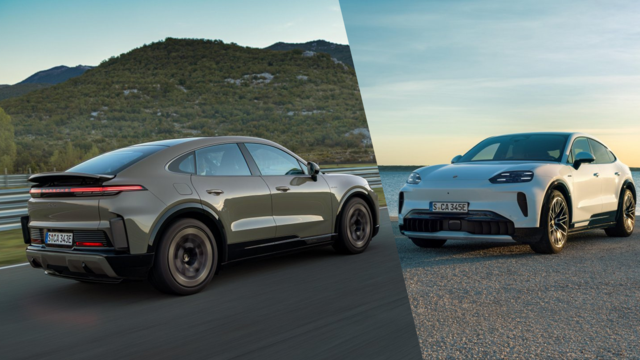
Porsche Reveals Coupe Variant of the Electric Cayenne With a Fresh Look
Verdad Gallardo
10 Porsche Colors That Have More Personality Than Most People
Verdad Gallardo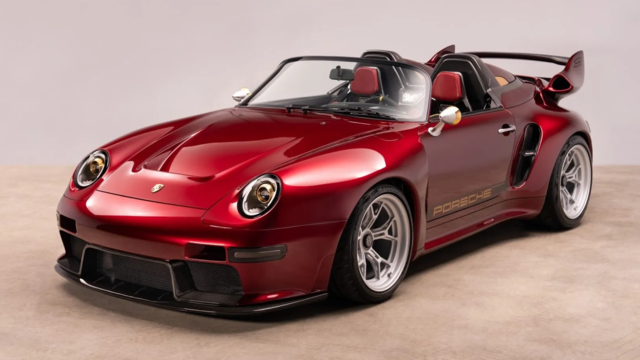
Guntherwerks' Final Speedster Creation Is the Ultimate Porsche Restomod
Verdad Gallardo
Race Car
Joined: Jan 2009
Posts: 4,665
Likes: 196
My brother in law is a detailer and we have discussed this topic in depth. Ceramic has its benefits mentioned but also has serious drawbacks. If you do get a light scratch it’s difficult to take it out because if you buff one panel it will no longer have the coating. Then you can’t recoat that panel and have it look right, the whole car would have to get compounded down and redone. He recommends a light paint correction with a high quality synthetic wax every 6 months.

Former Vendor
Joined: Nov 2018
Posts: 65
Likes: 0
From: Andover Massachusetts
Everything you are saying about ceramic coatings is 100% spot on, I'd just be careful in considering it if you are someone that doesn't wash their car very often. A ceramic coating is sometimes mistaken for an excuse to never wash a car again, which is very far from the truth. The paint correction will bring your cars paint to life and it will look fantastic. The coating will keep it like that for a long time as long as it is maintained. However, if you get the coating put on and never wash your car again, I'd be impressed if it made it a year before the coating wore off. Just something to consider! Hate to see you spend your money and then be disappointing a short time later.
Rennlist Member
Joined: Sep 2009
Posts: 8,683
Likes: 785
From: Canada & the Alps
Ceramic has its benefits mentioned but also has serious drawbacks. If you do get a light scratch it’s difficult to take it out because if you buff one panel it will no longer have the coating. Then you can’t recoat that panel and have it look right, the whole car would have to get compounded down and redone.
Why can't I recoat a panel and not have it look right? Does it change the colour?
I've also been of the wash, clay, polish and wax type.
Former Vendor
Joined: Nov 2018
Posts: 65
Likes: 0
From: Andover Massachusetts
exactly right. it definitely doesn't. a ceramic coating will protect against a lot of contaminants that can effect your paint. PPF is the best thing on the market to protect against any chips.
Race Car
Joined: Jan 2009
Posts: 4,665
Likes: 196
The ceramic coating wears down over time. So say its supposed to last 5 years and 2 years in you have to buff out a scratch. The one panel will look shiner if it gets paint corrected and recoated in comparison to the rest of the car.

Rennlist Member
Joined: Jun 2009
Posts: 7,015
Likes: 691
exactly the reason why some recommend to NOT do wheels or other intricate parts
Former Vendor
Joined: Jan 2019
Posts: 453
Likes: 113
From: Toronto, Canada
One of the key benefits of ceramic coatings is that it preserves a just-polished finish for several years by creating a durable chemical and scuff-resistant layer on the paint surface. If you got a scratch after 2 years that you wanted to polish out, you can do that and the remaining panels should still be in really good shape IF you've maintained the car appropriately (ie regular washes using good products and processes). But strictly speaking, it's not true to say that a 2-3yr old panel will definitely look worse or "less shiny" than a more recently polished + coated panel.
It would be a judgement call about whether the entire car has degraded to a point that a newly polished panel would stand out. And if that is the case - it suggests you're due for another polishing anyway.