




Ethanol-free gas?

Thread Starter
Nordschleife Master

Joined: Mar 2004
Posts: 8,392
Likes: 449
From: Southwest

Gotta wonder if it is not the ethanol that is getting it to 100 Octane?
http://en.wikipedia.org/wiki/Octane_rating
http://en.wikipedia.org/wiki/Octane_rating
Drifting

Joined: Mar 2009
Posts: 2,017
Likes: 12
From: Oregon
Gotta wonder if it is not the ethanol that is getting it to 100 Octane?
http://en.wikipedia.org/wiki/Octane_rating
http://en.wikipedia.org/wiki/Octane_rating
I started using their fuel about 10 years ago in a Honda RS250 gp bike I had acquired for my road racing efforts. For those not familiar with 250gp bikes, they are a high performance, light weight (220 lbs.), 85hp 250cc v - twin 2-stroke powered, factory built, road racer. That's a 250cc engine making 85hp. Do the math and that adds up to 340hp per liter !!! (very high maintenance, new pistons every 200 miles was the scheduled replacement per the manual. Rebuild crank and rods at 1200 miles!) Anyway, in that motor I ran leaded VP fuel with an octane rating of like 116. Never had any fuel related problems, and a motor like that DEMANDS quality fuel. That motor would seize in about one minute of track duty on pump gas.
What I'm getting at is that I think VP fuel is a quality product, and that it may be at least a partial answer to the OP's original question. Yes, ethanol free gas is available in CA. Is all pump gas blended 10% with ethanol? Yes, as required for all CA pump gas per CARB.
Phil
Drifting
Joined: Jan 2005
Posts: 2,616
Likes: 74
From: North Carolina

Instructor
Joined: Dec 2009
Posts: 164
Likes: 2
From: Florida
actually the Spec Sheet on vpracing.com isn't very clear as to the ethanol content:
http://www.vpracingfuels.com/index.h...&lnum=16761344
Under "composition/information on ingredients":
- Complex Hydrocarbons = 70% - 100%
- Ethanol = 10% - 30%
... and yes I realize that the max usage of the Hydrocarbons + minimum of Ethanol equals 110%.... I'm not making it up; it's quoted from their web-site. So in all reality the Hydrocarbons should read = 70% - 90%.... just a guess.
The specs for C10 however are 100% Hydrocarbons (not street legal). So getting back to the original post, mixing C10 with fuels with 15% ethanol minimum could dilute the ethanol concentration enough... the legality would probably vary based on each state initially, I'm guessing.
http://www.vpracingfuels.com/index.h...&lnum=16761344
Under "composition/information on ingredients":
- Complex Hydrocarbons = 70% - 100%
- Ethanol = 10% - 30%
... and yes I realize that the max usage of the Hydrocarbons + minimum of Ethanol equals 110%.... I'm not making it up; it's quoted from their web-site. So in all reality the Hydrocarbons should read = 70% - 90%.... just a guess.
The specs for C10 however are 100% Hydrocarbons (not street legal). So getting back to the original post, mixing C10 with fuels with 15% ethanol minimum could dilute the ethanol concentration enough... the legality would probably vary based on each state initially, I'm guessing.
Drifting
Joined: Mar 2009
Posts: 2,017
Likes: 12
From: Oregon
actually the Spec Sheet on vpracing.com isn't very clear as to the ethanol content:
http://www.vpracingfuels.com/index.h...&lnum=16761344
Under "composition/information on ingredients":
- Complex Hydrocarbons = 70% - 100%
- Ethanol = 10% - 30%
... and yes I realize that the max usage of the Hydrocarbons + minimum of Ethanol equals 110%.... I'm not making it up; it's quoted from their web-site. So in all reality the Hydrocarbons should read = 70% - 90%.... just a guess.
The specs for C10 however are 100% Hydrocarbons (not street legal). So getting back to the original post, mixing C10 with fuels with 15% ethanol minimum could dilute the ethanol concentration enough... the legality would probably vary based on each state initially, I'm guessing.
http://www.vpracingfuels.com/index.h...&lnum=16761344
Under "composition/information on ingredients":
- Complex Hydrocarbons = 70% - 100%
- Ethanol = 10% - 30%
... and yes I realize that the max usage of the Hydrocarbons + minimum of Ethanol equals 110%.... I'm not making it up; it's quoted from their web-site. So in all reality the Hydrocarbons should read = 70% - 90%.... just a guess.
The specs for C10 however are 100% Hydrocarbons (not street legal). So getting back to the original post, mixing C10 with fuels with 15% ethanol minimum could dilute the ethanol concentration enough... the legality would probably vary based on each state initially, I'm guessing.
Phil

Instructor
Joined: Oct 2009
Posts: 203
Likes: 0
From: Libertyville, IL
If it's the water that mixes with the ethanol that contributes to corrosion then I can agree with you. However, ethanol is not acidic or basic it is pH neutral and will not corrode metal. It will attack some polymers particularly nylon IIRC but the components in the fuel system are designed to be compatible with this constituent.
So, please enlighten me, how is ethanol corrosive?
Instructor
Joined: Oct 2009
Posts: 203
Likes: 0
From: Libertyville, IL
Rennlist Stories
The Best Porsche Posts for Porsche Enthusiasts

Thinking of Buying a Porsche? Do These 10 Things First
Joe Kucinski
Pixar Pals Turned Into 1-of-1 Porsches!
Michael S. Palmer
Theon Goes Full Carbon Fiber With Stunning New Build
Verdad Gallardo
Genius Porsche-Themed Gifts That'll Make Any Dad or Grad Smile
Joe Kucinski
10 Used Porsches Are Selling for Way Too Cheap
Joe Kucinski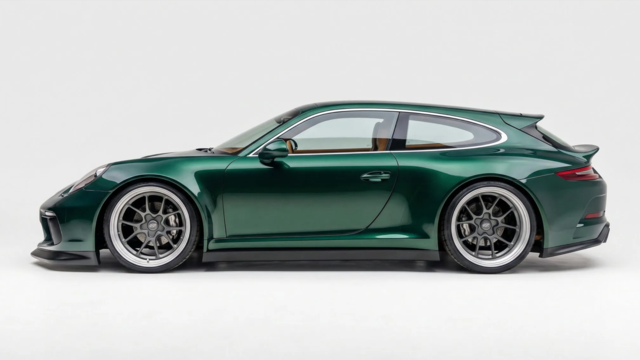
Tuner Is Converting Porsche 911s Into Shooting Brakes
Verdad Gallardo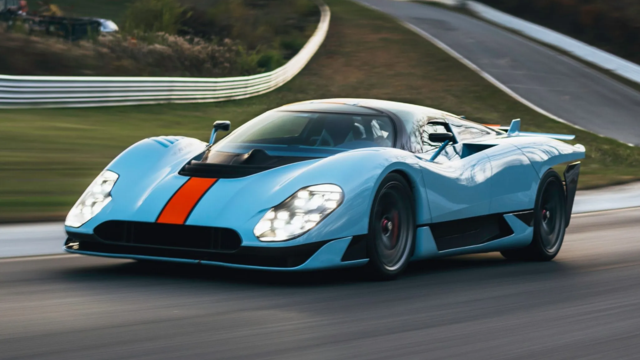
This Coachbuilt Creation Is A Modern Take on the Legendary Porsche 917
Verdad Gallardo
Is This Convertible Cayenne A Steal, Or A Returnless Investment?
Verdad Gallardo
10 Best Non-Flat Six Porsches You Can Buy For Under $100K
Joe Kucinski
Instructor
Joined: Oct 2009
Posts: 203
Likes: 0
From: Libertyville, IL
If you knew about VP Fuels I don't think you'd be making that statement. I'm sure they are not just mixing in a ton of ethanol to jack the octane rating up to 100 and then scalping it at $6.00 per gal. I would guess that it's close to being an E10 fuel. They are known for producing quality race fuels for serious racers. The spec sheet of their C10 (no eth. 100 oct. unleaded race fuel) is very simular to the VP100 (with ethanol unleaded 100 oct). They are both high energy content fuels capable of making more horsepower than prem. pump gas.
I started using their fuel about 10 years ago in a Honda RS250 gp bike I had acquired for my road racing efforts. For those not familiar with 250gp bikes, they are a high performance, light weight (220 lbs.), 85hp 250cc v - twin 2-stroke powered, factory built, road racer. That's a 250cc engine making 85hp. Do the math and that adds up to 340hp per liter !!! (very high maintenance, new pistons every 200 miles was the scheduled replacement per the manual. Rebuild crank and rods at 1200 miles!) Anyway, in that motor I ran leaded VP fuel with an octane rating of like 116. Never had any fuel related problems, and a motor like that DEMANDS quality fuel. That motor would seize in about one minute of track duty on pump gas.
What I'm getting at is that I think VP fuel is a quality product, and that it may be at least a partial answer to the OP's original question. Yes, ethanol free gas is available in CA. Is all pump gas blended 10% with ethanol? Yes, as required for all CA pump gas per CARB.
Phil
I started using their fuel about 10 years ago in a Honda RS250 gp bike I had acquired for my road racing efforts. For those not familiar with 250gp bikes, they are a high performance, light weight (220 lbs.), 85hp 250cc v - twin 2-stroke powered, factory built, road racer. That's a 250cc engine making 85hp. Do the math and that adds up to 340hp per liter !!! (very high maintenance, new pistons every 200 miles was the scheduled replacement per the manual. Rebuild crank and rods at 1200 miles!) Anyway, in that motor I ran leaded VP fuel with an octane rating of like 116. Never had any fuel related problems, and a motor like that DEMANDS quality fuel. That motor would seize in about one minute of track duty on pump gas.
What I'm getting at is that I think VP fuel is a quality product, and that it may be at least a partial answer to the OP's original question. Yes, ethanol free gas is available in CA. Is all pump gas blended 10% with ethanol? Yes, as required for all CA pump gas per CARB.
Phil
Drifting
Joined: Mar 2009
Posts: 2,017
Likes: 12
From: Oregon
Octane ratings do not make horsepower. Octane ratings are a measure of a fuel's resistance to pre-ignition i.e. detonation of knock. The engine is a mechanical device that will only make as much HP as it is designed to do. A higher octane fuel allows an engine designer to use higher compression ratios which may result in detonation on lower octane fuels.
different fuels contain different amounts of stored energy. This is what makes a fuel produce more HP than the next.
VP fuels are high energy content fuels.
Phil
Instructor
Joined: Dec 2009
Posts: 164
Likes: 2
From: Florida
Phil / RollingArt:
I had copied the link location, but didn't try clicking to see if it'll actually take you there. Regardless:
- Go to http://www.vpracingfuels.com/
- Fuels - Automotive - Road Racing will bring up their fuel products
- scroll down to VP100 (aka StreetBlaze 100)
- click on MSDS
That should get you the Material Safety Data Sheet as an Adobe format
- Scroll to page 2 and read: "3 . Composition/information on ingredients
United States"
That should do it... of course you can always contact them to get more details. I was mostly curious about the whole thing and don't use it myself. Hope this helps!
I had copied the link location, but didn't try clicking to see if it'll actually take you there. Regardless:
- Go to http://www.vpracingfuels.com/
- Fuels - Automotive - Road Racing will bring up their fuel products
- scroll down to VP100 (aka StreetBlaze 100)
- click on MSDS
That should get you the Material Safety Data Sheet as an Adobe format
- Scroll to page 2 and read: "3 . Composition/information on ingredients
United States"
That should do it... of course you can always contact them to get more details. I was mostly curious about the whole thing and don't use it myself. Hope this helps!

Drifting
Joined: Dec 2009
Posts: 3,035
Likes: 15
Maybe we should all relax. Assuming all cars will suffer the same damage from 15%E, (because Porsche buys it's "rubber" and other engine systems components from suppliers that the other car manufacturers do) there'll be an uproar from the automotive lobbies to repeal this 15%E law. Why? Because dealerships across the nation will be plagued with repairs and complaints from consumers. Auto lobbies get together with Consumer and Green lobbies and it's over. Just a guess.

Track Day
Joined: Nov 2005
Posts: 22
Likes: 0

Might want to look for a product called star tron. We use it in the power sports and marine business to off set The negative effects of Ethanol.
http://mystarbrite.com/startron/
http://mystarbrite.com/startron/
Drifting
Joined: Feb 2011
Posts: 3,024
Likes: 67
From: Austin, TX