




Technical - 3.6 engines

Thread Starter
Advanced
Joined: Dec 2004
Posts: 83
Likes: 0
From: Roswell, Georgia
 Technical - 3.6 engines
I am trying to manage / appreciate the risk the 3.6 carries as I approach the end of my warranty period but plan to keep the car ('04 996 sold in late '03). I am looking for facts as understood by knowledgeable posters, not anecdotal stuff or Porsche bashing please.
My specific concerns are the various problems of intermix causing hydrolock and cylinder wall fracture. I have read a post by 99 Firehawk that suggest that 99% of these problems are caused by defective oil coolers, is there consensus on this or do we not know as PCNA sends the engines back to Germany? If yes, what preventative measures / maintenance is recommended to get ahead of this specific risk?
More generally, the consensus seems to be that earlier motors, particularly the 3.4s are at greater risk of metallurgical weakness leading to intermix between the oil galleries and coolant channels due to corrosion / porosity - is there a design / manufacture difference in the 3.6 that mitigates this? Or was it more of a QC problem in the manufacture than a design issue?
Finally, the Autofarm guys seem to be suggesting that block torque causes the middle cylinder wall fractures, is there a difference on the 3.6 or is it just as vulnerable to twisting and failure. On the other hand, some posters have suggested that this failure is another symptom of hydrolock - thoughts?
Thanks
My specific concerns are the various problems of intermix causing hydrolock and cylinder wall fracture. I have read a post by 99 Firehawk that suggest that 99% of these problems are caused by defective oil coolers, is there consensus on this or do we not know as PCNA sends the engines back to Germany? If yes, what preventative measures / maintenance is recommended to get ahead of this specific risk?
More generally, the consensus seems to be that earlier motors, particularly the 3.4s are at greater risk of metallurgical weakness leading to intermix between the oil galleries and coolant channels due to corrosion / porosity - is there a design / manufacture difference in the 3.6 that mitigates this? Or was it more of a QC problem in the manufacture than a design issue?
Finally, the Autofarm guys seem to be suggesting that block torque causes the middle cylinder wall fractures, is there a difference on the 3.6 or is it just as vulnerable to twisting and failure. On the other hand, some posters have suggested that this failure is another symptom of hydrolock - thoughts?
Thanks

Drifting
Joined: Jul 2004
Posts: 3,105
Likes: 6
From: MIAMI
I dont belive i ever stated a percentage. Alot of the 3.4s were dropped liners and cracked clyinders
but I have also seen bad oil coolers cause intermix many times .
I have seen it to be less of an issue on the 3.6, porsceh made a lot of changes are the 3.6/3.8 materials and design. really I havent seen more then a few 3.6s with intermix problems.
There is no prevenative measures or maitnance that can prevent it, if its going to happen its going to happen with no warning
but I have also seen bad oil coolers cause intermix many times .
I have seen it to be less of an issue on the 3.6, porsceh made a lot of changes are the 3.6/3.8 materials and design. really I havent seen more then a few 3.6s with intermix problems.
There is no prevenative measures or maitnance that can prevent it, if its going to happen its going to happen with no warning
Thread Starter
Advanced
Joined: Dec 2004
Posts: 83
Likes: 0
From: Roswell, Georgia
99 - sorry if I picked up a comment wrong, maybe its your handle : )
Seriously though, the preventative measure question related to oil coolers only - I realize that metallurgic issues are out of our control. It seems that an oil cooler is a low $ part to take down an entire powerplant. Also, do you have a view on the block stress / torque issue causing middle cylinder cracks?
Seriously though, the preventative measure question related to oil coolers only - I realize that metallurgic issues are out of our control. It seems that an oil cooler is a low $ part to take down an entire powerplant. Also, do you have a view on the block stress / torque issue causing middle cylinder cracks?

Race Director

Joined: Sep 2006
Posts: 19,035
Likes: 269
From: Bentonville, AR
How many miles on car? If car has low miles (exceptionally low miles) you might be assuming a bit more risk because you have *not* made use of all (or nearly all) of the factory warranty.
A few of the 3.4l engines appear to suffer from block flex and develop a crack in the middle cylinder. say block flex because if this cracking was from ingesting coolant I would think the cracking would be evenly distributed between all 6 cylinders and the reports I have come across deal only with the middle cylinders.
About all you can do to mitigate risk is to follow a good vital fluids/filter replacement schedule, and this includes coolant (it ain't lifetime!) and transmission/brake fluids as well and of course engine oil.
If the oil cooler (which works with coolant) is a weak link -- and in my research into 996's (still considering buying one) I haven't heard it is -- then keeping coolant fresh to prevent any corrosion of this heat exchanger (along with all other cooling system passages and components exposed to coolant) seems like the least you can do.
At some point, at some mileage and age point, what puts an engine at risk, increases the risk, is something other than the engine proper will suffer some failure and thus bring the engine down with it.
That is, for instance the cooling system becomes unable to keep engine temperature in check (for any variety of reasons) and a head gasket fails (or worse) and an otherwise perfectly good engine with many miles ahead of it is rendered into essentially scrap.
Sincerely,
Macster.
A few of the 3.4l engines appear to suffer from block flex and develop a crack in the middle cylinder. say block flex because if this cracking was from ingesting coolant I would think the cracking would be evenly distributed between all 6 cylinders and the reports I have come across deal only with the middle cylinders.
About all you can do to mitigate risk is to follow a good vital fluids/filter replacement schedule, and this includes coolant (it ain't lifetime!) and transmission/brake fluids as well and of course engine oil.
If the oil cooler (which works with coolant) is a weak link -- and in my research into 996's (still considering buying one) I haven't heard it is -- then keeping coolant fresh to prevent any corrosion of this heat exchanger (along with all other cooling system passages and components exposed to coolant) seems like the least you can do.
At some point, at some mileage and age point, what puts an engine at risk, increases the risk, is something other than the engine proper will suffer some failure and thus bring the engine down with it.
That is, for instance the cooling system becomes unable to keep engine temperature in check (for any variety of reasons) and a head gasket fails (or worse) and an otherwise perfectly good engine with many miles ahead of it is rendered into essentially scrap.
Sincerely,
Macster.
Newbies Hospitality Director
Lifetime Rennlist
Member
Lifetime Rennlist
Member
Joined: Apr 2005
Posts: 18,084
Likes: 43
From: Winston-Salem, NC
Nick - There really is no way to predict the odds of an engine failure. If you are concerned about a catastrophic engine failure then I would recommend one of the following three options:
1. start checking into an after market warranty. They have been discussed here in length and a quick search will give you an evening of reading about third party warranties.
2. consider talking to your local P-car dealer and ask them if they will: A) buy the car, B) then CPO it, and C) sell it back to you. This may not be worth the extra $$ or hassle. However, it will get you an additional 2 years and 50,000 miles on the warranty.
3. Turn this car in at lease end and get a 2005 CPO 997.
Good luck on your decision.
1. start checking into an after market warranty. They have been discussed here in length and a quick search will give you an evening of reading about third party warranties.
2. consider talking to your local P-car dealer and ask them if they will: A) buy the car, B) then CPO it, and C) sell it back to you. This may not be worth the extra $$ or hassle. However, it will get you an additional 2 years and 50,000 miles on the warranty.
3. Turn this car in at lease end and get a 2005 CPO 997.
Good luck on your decision.
Thread Starter
Advanced
Joined: Dec 2004
Posts: 83
Likes: 0
From: Roswell, Georgia
Thanks to all who took time to post, looks like I will plan to assume the risk and keep an eye on prices for replacement engines or emerging non-factory options in case of future calamity. BTW - car has 26k and is daily driver. Miles are low as first owner only put 5k on in 1 year and I travel a good bit where car sits at home for week at a time - occasionally 2.
My wife doesn't like to drive it much, although she did allow as to how it handled well compared with her Odyssey. That was funny, but I got nervous when she then asked what RPM to upshift at ....
My wife doesn't like to drive it much, although she did allow as to how it handled well compared with her Odyssey. That was funny, but I got nervous when she then asked what RPM to upshift at ....
Trending Topics
Rennlist Stories
The Best Porsche Posts for Porsche Enthusiasts

Every Era of 911 Owner Explained in One Sentence
Verdad Gallardo
Thinking of Buying a Porsche? Do These 10 Things First
Joe Kucinski
Pixar Pals Turned Into 1-of-1 Porsches!
Michael S. Palmer
Theon Goes Full Carbon Fiber With Stunning New Build
Verdad Gallardo
Genius Porsche-Themed Gifts That'll Make Any Dad or Grad Smile
Joe Kucinski
10 Used Porsches Are Selling for Way Too Cheap
Joe Kucinski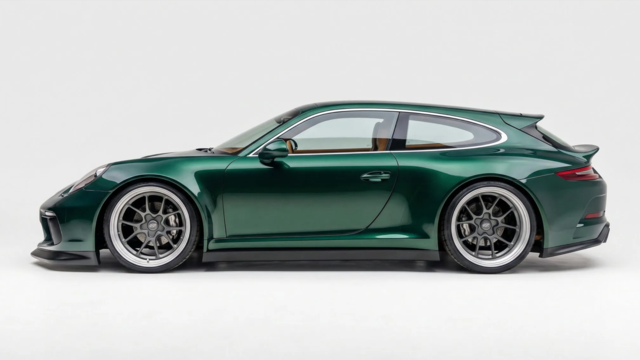
Tuner Is Converting Porsche 911s Into Shooting Brakes
Verdad Gallardo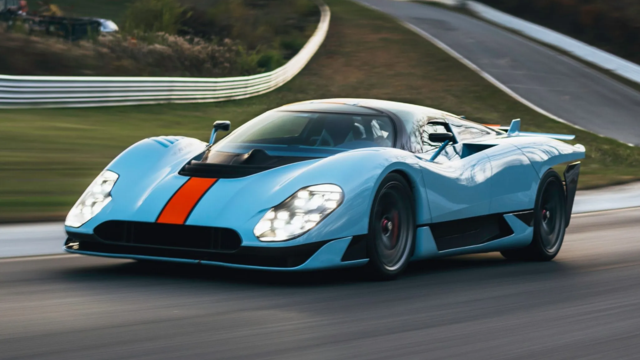
This Coachbuilt Creation Is A Modern Take on the Legendary Porsche 917
Verdad Gallardo
Is This Convertible Cayenne A Steal, Or A Returnless Investment?
Verdad Gallardo
Rennlist Member

Joined: Oct 2005
Posts: 1,112
Likes: 15
From: NYC/Sag Harbor/Fort Lauderdale/Newport
I just went on warrantydirect.com to get a quote for my '02 C4 and the response was " Warranty Direct does not offer extended warranties to Porsche 911 models where the original full factory warranty has expired.".....what? Is that not the point?
Did I make a wrong turn?
Did I make a wrong turn?
Drifting
Joined: May 2006
Posts: 2,444
Likes: 8
From: Another Ex pat Brit in SoCal
Maybe this explains it - if you look at their stats on Porsche, they've realised that they are a very high risk, and hence seem to be not covering all models.
http://www.reliabilityindex.co.uk/ma...01&country=usa
Porsche are only just better than Volvo, and have a general failure rate of 41.48% based on their stats, and a very high claim rate on engines at 36%.
http://www.reliabilityindex.co.uk/ma...01&country=usa
Porsche are only just better than Volvo, and have a general failure rate of 41.48% based on their stats, and a very high claim rate on engines at 36%.
