




Oil, Oil, Everywhere...

Drifting
Joined: Apr 2013
Posts: 2,286
Likes: 11
From: Nothern NJ

Yes running on level ground and yes it matters. Has to be fully warmed up (best to do after a spirited drive). Even current cold temp reduce the oil level.

RL Technical Advisor
Joined: May 2001
Posts: 11,870
Likes: 75
From: Portland Oregon
Yes indeed,...these engines have dry-sump oiling systems and the ONLY way to know precisely how much oil is in the system is by checking the dipstick on a hot, idling engine on level ground. The engine must be completely up to operating temperature (>185 degF) so the thermostat is completely open in order to provide accurate readings.
You are FAR better off to be a qt or two low, rather than any kind of overfill.
I think this is also covered in the owner's manual.

Banned
Joined: Sep 2014
Posts: 98
Likes: 1
Thank you guys
I knew about it being warmed up . but did not know when checking with the stick if the car should be running or not.
Still learning about the gauge vs stick equation thing. as my gauge seems suspect
Thanks
Sam
I knew about it being warmed up . but did not know when checking with the stick if the car should be running or not.
Still learning about the gauge vs stick equation thing. as my gauge seems suspect
Thanks
Sam

Race Director

Joined: Sep 2003
Posts: 17,136
Likes: 403
From: SF Bay Area
Really good to spend some quality time with the owner's manual.
The accuracy of the gauge fluctuates wildly depending on things like the temperature of the oil (gauge is useless unless engine is hot), whether the car is level, and whether the sensor got bumped by the oil change guy at the last oil change.
The one thing I use the gauge for is deciding when to shut the engine off after parking. Good idea to let the oil settle after driving. Some people idle for 30 seconds; I'll do that or wait to see the oil level gauge stop rising.
The accuracy of the gauge fluctuates wildly depending on things like the temperature of the oil (gauge is useless unless engine is hot), whether the car is level, and whether the sensor got bumped by the oil change guy at the last oil change.
The one thing I use the gauge for is deciding when to shut the engine off after parking. Good idea to let the oil settle after driving. Some people idle for 30 seconds; I'll do that or wait to see the oil level gauge stop rising.
Rennlist Stories
The Best Porsche Posts for Porsche Enthusiasts

Porsche's Top 5 Most Questionable Naming Decisions
Verdad Gallardo
Pogea Racing's 964 Porsche 911 Reimagination Stands Out in a Crowded Field
Verdad Gallardo
6 Convertible Top MYTHS Most People Don't Understand!
Michael S. Palmer
2026 Porsche 911 Club Coupe is Spectacular, And Everything Wrong with the Porsche Market
Joe Kucinski
Talos Takes Your 991 Porsche 911 GT3 to the Next Level for a Cool $1.13 Million
Verdad Gallardo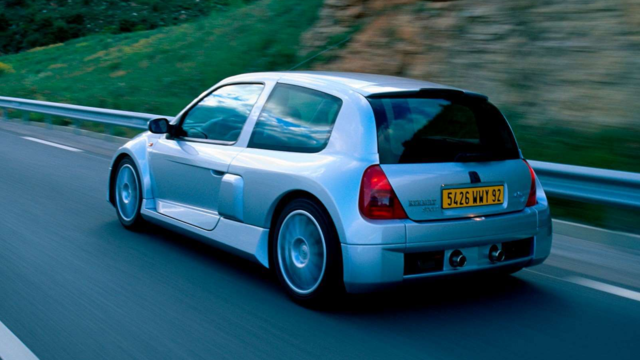
9 Vehicles Porsche Helped Engineer that Aren't Porsches
Verdad Gallardo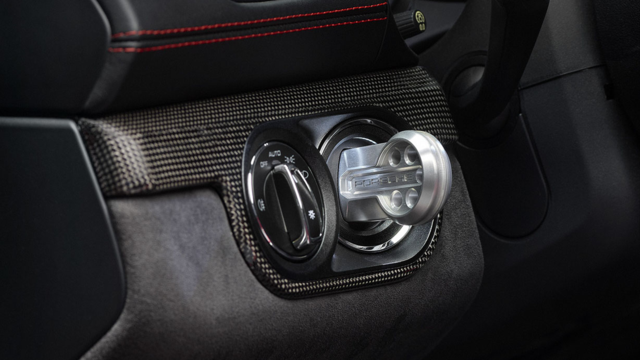
9 Features and Characteristics That Only Porsche People Understand
Verdad Gallardo
I've Written 500 Rennlist Articles: Here's How Porsche Has Changed Along the Way
Joe Kucinski
10 Most Unnecessary Porsches Ever Built (And Why We Love Them)
Verdad Gallardo
Race Director
Joined: Sep 2003
Posts: 17,136
Likes: 403
From: SF Bay Area
My understanding is that it drains everything into the sump and out of the passages in the engine you don't want to get clogged. Same reason you don't want to drive these cars for trips so short that the oil doesn't get fully heated up and so won't settle when you shut it off. Been discussed here a lot, often in connection with SAI clogging risk. Same people (including me) will idle the car for about 30 seconds after start unless it's already at operating temperature.
RL Technical Advisor
Joined: May 2001
Posts: 11,870
Likes: 75
From: Portland Oregon
I see a strong need for a live, video clinic on dry sump engines,.... 
The technology to actually do that is well beyond my pay grade, however its a legitimate subject to cover in sufficient detail to prevent people from overfilling the system; something I see FAR too much of.
Currently, I don't have time to shoot & edit a video for YouTube, but I'll put this on my list as its really needed.
In the mean time, read those owner's manuals before you turn the key in order to prevent some serious ($$$$) problems.
The technology to actually do that is well beyond my pay grade, however its a legitimate subject to cover in sufficient detail to prevent people from overfilling the system; something I see FAR too much of.
Currently, I don't have time to shoot & edit a video for YouTube, but I'll put this on my list as its really needed.
In the mean time, read those owner's manuals before you turn the key in order to prevent some serious ($$$$) problems.

Rennlist Member

Joined: Oct 2006
Posts: 8,366
Likes: 1,205
From: Vista CA
Rennlist Member
Joined: Oct 2006
Posts: 8,366
Likes: 1,205
From: Vista CA
thanks
Craig
Drifting
Joined: Apr 2013
Posts: 2,286
Likes: 11
From: Nothern NJ
Drifting
Joined: Apr 2013
Posts: 2,286
Likes: 11
From: Nothern NJ
Are you saying that idling for 30 seconds is equivalent to bring the engine to operating temps?