


 I knew that ... I'm just pokin' fun at the "naysayers" ...
Springtime
Nordschleife Master

Joined: Dec 2008
Posts: 5,490
Likes: 45
From: In front of you and to the left ...

Noodle Jr.
Rennlist Member
Rennlist Member

Joined: Jan 2006
Posts: 10,075
Likes: 326
From: Mountville, PA

After a long storage, I suggest to pull the DME relay and crank the engine until the warning light in the dash goes out meaning: oil pressure is established
Burning Brakes
Joined: Jan 2010
Posts: 931
Likes: 5
From: Jackson, NH
Not to start a debate but this is the 1st season I have started my car after a long storage and I was wondering about pulling the DME. So even though it is not necessary, (nothing really is), is it still better to do or just a waste of time?
Last edited by cpdjfd107; Mar 20, 2011 at 09:39 PM.
Rennlist Member
Joined: Apr 2008
Posts: 1,742
Likes: 195
From: Calgary
Thanks in advance!
Derek

Addict
Lifetime Rennlist
Member
Lifetime Rennlist
Member
Joined: May 2001
Posts: 8,365
Likes: 81
From: Vancouver, BC
This is from a guy who earns his living repairing 911's? 
I doubt if a proper study has been done here to I am not sure why he would say that, but it seems to me that cranking over the engine without any fuel/ignition to make sure oil is well spread/splashed within the engine is prudent. I do this when:
1 - I do an oil change and the oil filters and sump are empty.
2- The car has been sitting for more than one or two weeks. This is based on reading articles stating that the majority of engine wear occurs on startup as the oiling system are being established, so I figure give it a head start.
Everyone is welcome to an opinion of course, and mine is the above. Worse case, it will not do any harm other than perhaps a bit more starter wear, so what's to lose?
Cheers,
Mike
I doubt if a proper study has been done here to I am not sure why he would say that, but it seems to me that cranking over the engine without any fuel/ignition to make sure oil is well spread/splashed within the engine is prudent. I do this when:
1 - I do an oil change and the oil filters and sump are empty.
2- The car has been sitting for more than one or two weeks. This is based on reading articles stating that the majority of engine wear occurs on startup as the oiling system are being established, so I figure give it a head start.
Everyone is welcome to an opinion of course, and mine is the above. Worse case, it will not do any harm other than perhaps a bit more starter wear, so what's to lose?
Cheers,
Mike
Addict
Lifetime Rennlist
Member
Lifetime Rennlist
Member
Joined: May 2001
Posts: 8,365
Likes: 81
From: Vancouver, BC
Thats good advice thank you. I have never removed the DME so I have a question. Do I need to remove the battery leads prior to removing the DME or just open up the case and remove it? Also, approximately how long do I crank the car for with the DME removed to allow for sufficient oil pressure build up?
Thanks in advance!
Derek
Thanks in advance!
Derek
If the car has been sitting, it only takes a few seconds. On an oil change, it could take up to 10 seconds.
Cheers,
ike

Rennlist Member

Joined: Jan 2004
Posts: 10,515
Likes: 165
From: NE Florida
Rennlist Stories
The Best Porsche Posts for Porsche Enthusiasts
9 Features and Characteristics That Only Porsche People Understand
Verdad Gallardo
I've Written 500 Rennlist Articles: Here's How Porsche Has Changed Along the Way
Joe Kucinski
10 Most Unnecessary Porsches Ever Built (And Why We Love Them)
Verdad Gallardo
Porsche 911 GT3 S/C vs 718 Spyder RS: 10 Categories, One Winner
Joe Kucinski
This Builder Is Turning Heads With Its Slantnose 911 Creation
Verdad Gallardo
Porsche 911 GT3 Artisan Edition Pays Homage to Japanese Culture
Verdad Gallardo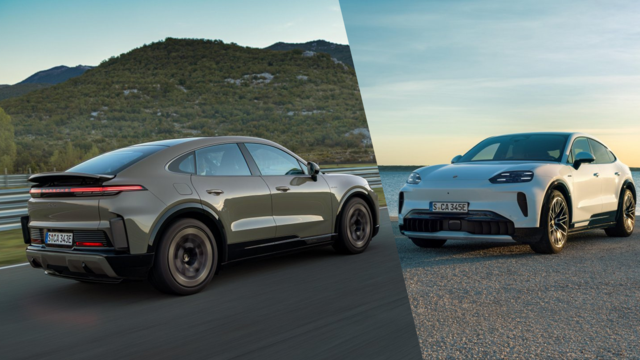
Porsche Reveals Coupe Variant of the Electric Cayenne With a Fresh Look
Verdad Gallardo
10 Porsche Colors That Have More Personality Than Most People
Verdad Gallardo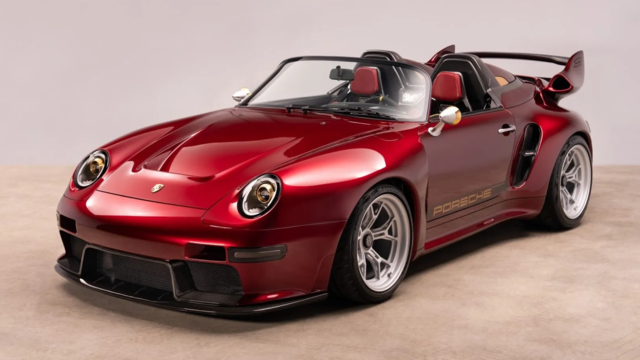
Guntherwerks' Final Speedster Creation Is the Ultimate Porsche Restomod
Verdad Gallardo
Racer
Joined: Feb 2002
Posts: 417
Likes: 1
From: Winlaw, BC, Canada

Thats good advice thank you. I have never removed the DME so I have a question. Do I need to remove the battery leads prior to removing the DME or just open up the case and remove it? Also, approximately how long do I crank the car for with the DME removed to allow for sufficient oil pressure build up?
Thanks in advance!
Derek
Thanks in advance!
Derek

As you crank the engine with the DME relay removed, you'll notice an audible change of sounds coming from the engine as the lifters get oil plus the oil pressure warning light in the dash goes out plus the pressure gauge will flicker around 1 bar; 5-10 seconds should do it.
I'd recommend this after long storage or when changing oil were the old oil is allowed to run out over night or after a rebuild, of course.
Re winter storage: I don't believe in starting periodically during storage but instead, crank the engine occasionally with DME relay removed for a few seconds.
Plus, without the DME relay, nobody can steal your baby.


Instructor
Joined: Jan 2010
Posts: 153
Likes: 0
From: Central MA

Cranking the engine with or without the DME in place, don't you still create friction from the moving parts? If this is true, why would it matter one way or the other?
Racer
Joined: Feb 2002
Posts: 417
Likes: 1
From: Winlaw, BC, Canada

One example: The main bearings for the crank are a special metal and are lubed similar to Babbit bearings, Google it to see how it works. The crank literarily floats on a film created by oil pressure.
Oil pressure is extremely important and a "spun" bearing is usually starved of oil.
There is good reason why low RPM is recommended by every car manufacturer including Porsche during the break-in period.
Last edited by Gunter; Mar 21, 2011 at 02:31 PM.
Noodle Jr.
Rennlist Member
Rennlist Member
Joined: Jan 2006
Posts: 10,075
Likes: 326
From: Mountville, PA
Rennlist Member
Joined: Jan 2004
Posts: 10,515
Likes: 165
From: NE Florida
Ugh...snowing here today after a nice sunny weekend. So it doesn't look like a long summer in New England.
Cranking the engine with or without the DME in place, don't you still create friction from the moving parts? If this is true, why would it matter one way or the other?
Cranking the engine with or without the DME in place, don't you still create friction from the moving parts? If this is true, why would it matter one way or the other?
Mine usually takes (2 -3) 5 sec. cranks to get up to about 2.5 bar, then I put the relay back.
I used to think having a summer home and a winter home would be nuts (I'm from Fla. and we had lots of "snow birds") but as I've gotten older it's sounding better and better.

Racer
Joined: May 2009
Posts: 466
Likes: 2
Where do you unlpug the DME relay on my OBDII setup ( 1998 Porsche 993)???
I am totally unfamiliar with these electronics, never had that issue on the 6 Porsche 356 models that I owned... Picture would help?
Cheers,
Bert
I am totally unfamiliar with these electronics, never had that issue on the 6 Porsche 356 models that I owned... Picture would help?
Cheers,
Bert