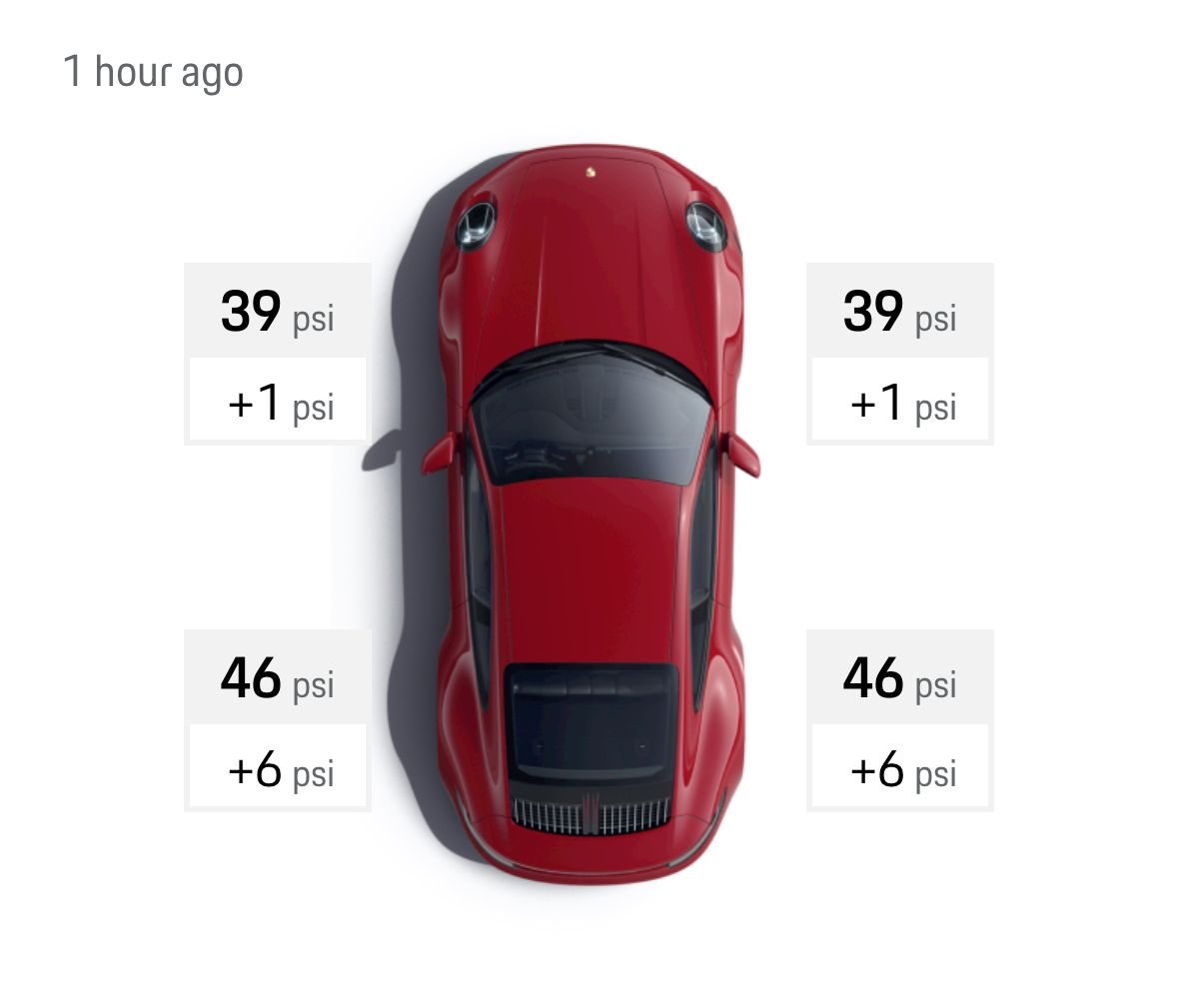
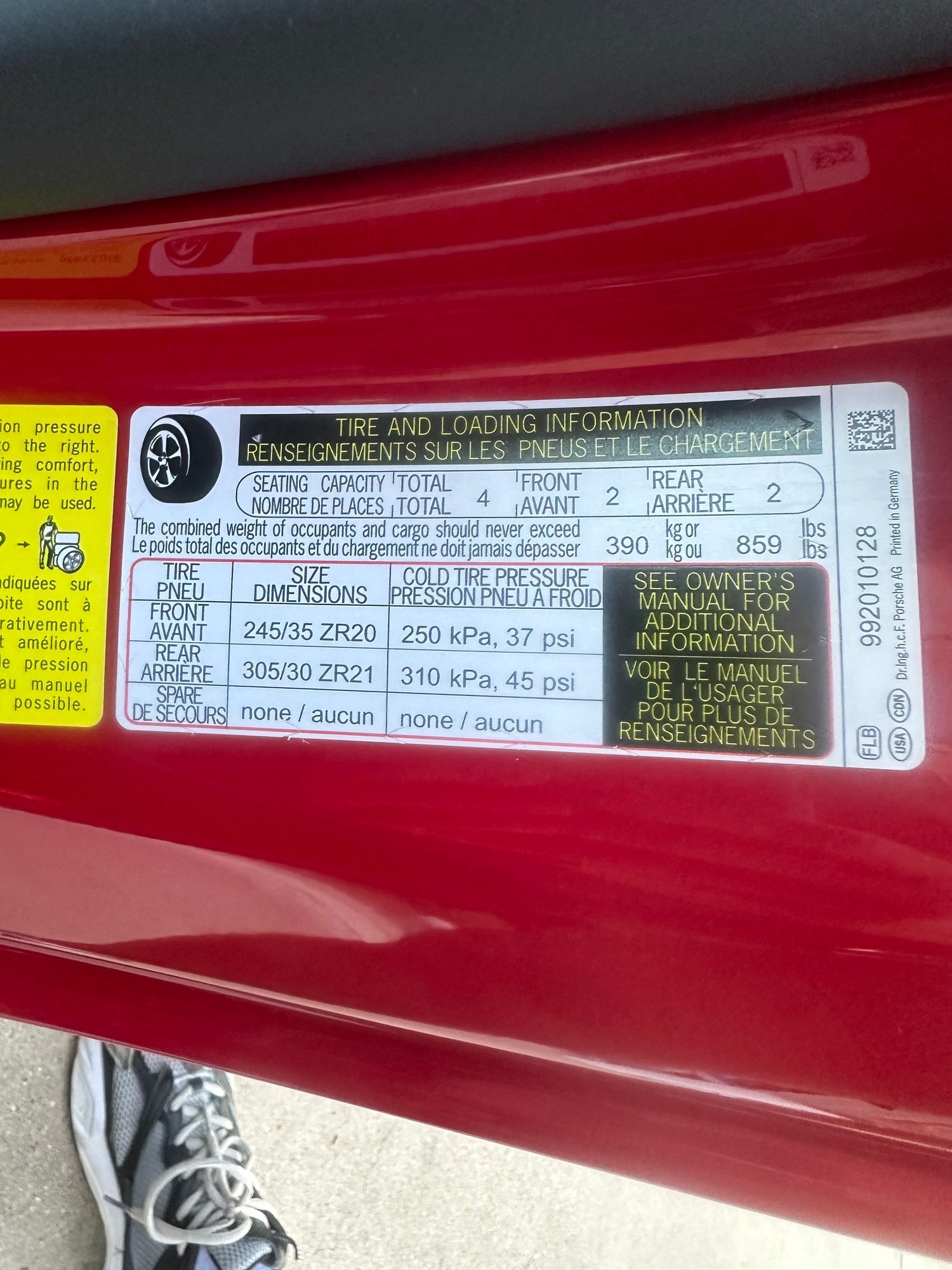
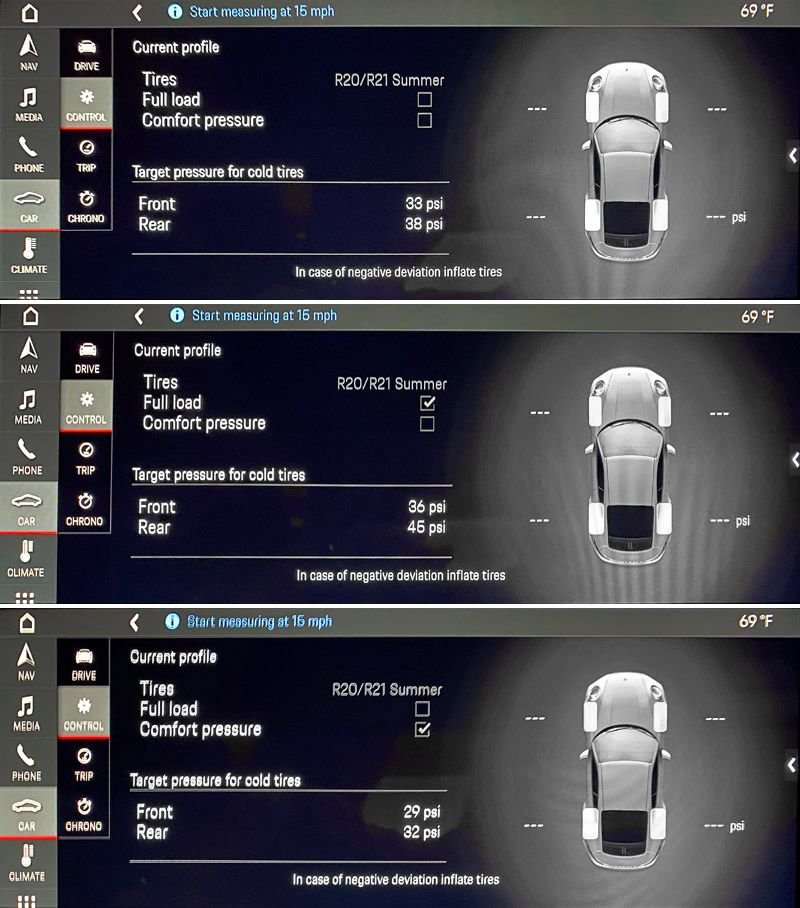
Folks. Quick question. Wanted to see if I could get some help with standard tire pressure. I have 20 in the front and 21 in the rear. The sticker on the driver side shows 37 and 45 cold pressures. But I’m trying to make sense of the picture in my app. I’ve selected standard tires in the PCM, so is it suggesting 38 and 40 cold pressures? Just regular driving. Thx.
There's a lot of poor information being shared in this thread by people who mean well but may be adding to your confusion. The door jamb sticker lists the pressure for Full Load (4x passengers, fully loaded frunk, driving Autobahn speeds, etc.) for liability purposes but feels like garbage for most driving. The Comfort Pressure listed in the PCM is for parts of the world with poor road quality and infrastructure where you're also not likely doing much high speed or high performance driving; you need to turn that checkbox on if you're running this pressure so that the PCM doesn't give you low pressure warnings all the time. My recommendation would be to use the Partial Load settings from the manual (33/38 for a 2WD Carrera coupe, I think it's an extra psi in the rear for the Cab) if it's mostly just you and an occasional passenger in the car - the ride and performance is night/day different.
You really need to do a deep dive into the owner's manual which lists a very comprehensive outline of recommended pressures...forget the sticker on the door jam. Set them at whatever pressure is recommended cold (meaning before the car is driven) and you're fine. Remember as the season changes - depending on where you live, the cold pressures you see on an air gauge or PCM will reflect increases or decreases as the outside temperature fluctuates.
So I had looked in the manual and it rec 36/45 so similar to the sticker. Just wasn’t sure why the app was rec 38/40 or am k reading the app wrong. I guess part of my question is, what does the +6 under the tire pressure reading refer to?
Go into your PCM and find your desired load and pressure. If you’re not on a track, I suggest full load, comfort pressure. You need to pick this option in your PCM, so it knows when you’re pressures deviate from it.
The screenshot from the app is displaying the current pressure (top) and the deviation from the the temperature corrected pressure (below). The pressures listed in the manual (and in PCM for that matter) are to be set at 68F. The computer then compensates (roughly 1psi per 10F) based on the tire temperature. Theoretically, you should simply bleed off 1psi front and 6psi rear to get back to the correct pressure.
FWIW, I set to comfort pressure (29/32) in the PCM and overinflate by 1psi. Seems to be good balance of ride quality and performance.
The sticker & manual are a guide for min/max only. Completely depends on the tires you have. It will need to be adjusted for the usage, loaded, unloaded, city or track. Many here have portable compressors and upgraded tire guages. Ha, it may be most here :-)
I set my tire pressures to: 33 psi Front and 38 psi Rear. Rear tires lasted 20,000 miles and the Front tires look like they'll make between 35,000 and 40,000 miles.
Cold Tires = Ambient Temperature
Be sure to set the PCM for the tire pressures you're running. The owners manual shows how to do this.
.
Folks. Quick question. Wanted to see if I could get some help with standard tire pressure. I have 20 in the front and 21 in the rear. The sticker on the driver side shows 37 and 45 cold pressures. But I’m trying to make sense of the picture in my app. I’ve selected standard tires in the PCM, so is it suggesting 38 and 40 cold pressures? Just regular driving. Thx.
The +/- pressures shown on the app is the difference between your car’s latest pressures reading and the actual ones that were recorded when you last reset the TPMS. It has nothing to do with the “target” pressures selected.
From the screenshot you show, it seems your tire pressures were at 38psi front and 40psi rear when the TPMS was last reset.
I set my tire pressures to: 33 psi Front and 38 psi Rear. Rear tires lasted 20,000 miles and the Front tires look like they'll make between 35,000 and 40,000 miles.
Cold Tires = Ambient Temperature
Be sure to set the PCM for the tire pressures you're running. The owners manual shows how to do this.
.
hello. Don’t mean to belabor the point. Just to confirm when you mean set the pcm for my desired tire pressures. Does that just mean checking or unchecking the full load and or comfort option as appropriate. But there’s no actual entering of specific psi number into the PCM, correct? As a follow up question. Does selecting comfort in the pcm just allow for a lower psi threshold before the computer throws out a warning notification?
There's a lot of poor information being shared in this thread by people who mean well but may be adding to your confusion. The door jamb sticker lists the pressure for Full Load (4x passengers, fully loaded frunk, driving Autobahn speeds, etc.) for liability purposes but feels like garbage for most driving. The Comfort Pressure listed in the PCM is for parts of the world with poor road quality and infrastructure where you're also not likely doing much high speed or high performance driving; you need to turn that checkbox on if you're running this pressure so that the PCM doesn't give you low pressure warnings all the time. My recommendation would be to use the Partial Load settings from the manual (33/38 for a 2WD Carrera coupe, I think it's an extra psi in the rear for the Cab) if it's mostly just you and an occasional passenger in the car - the ride and performance is night/day different.
There's a lot of poor information being shared in this thread by people who mean well but may be adding to your confusion. The door jamb sticker lists the pressure for Full Load (4x passengers, fully loaded frunk, driving Autobahn speeds, etc.) for liability purposes but feels like garbage for most driving. The Comfort Pressure listed in the PCM is for parts of the world with poor road quality and infrastructure where you're also not likely doing much high speed or high performance driving; you need to turn that checkbox on if you're running this pressure so that the PCM doesn't give you low pressure warnings all the time. My recommendation would be to use the Partial Load settings from the manual (33/38 for a 2WD Carrera coupe, I think it's an extra psi in the rear for the Cab) if it's mostly just you and an occasional passenger in the car - the ride and performance is night/day different.
There's a lot of poor information being shared in this thread by people who mean well but may be adding to your confusion. The door jamb sticker lists the pressure for Full Load (4x passengers, fully loaded frunk, driving Autobahn speeds, etc.) for liability purposes but feels like garbage for most driving. The Comfort Pressure listed in the PCM is for parts of the world with poor road quality and infrastructure where you're also not likely doing much high speed or high performance driving; you need to turn that checkbox on if you're running this pressure so that the PCM doesn't give you low pressure warnings all the time. My recommendation would be to use the Partial Load settings from the manual (33/38 for a 2WD Carrera coupe, I think it's an extra psi in the rear for the Cab) if it's mostly just you and an occasional passenger in the car - the ride and performance is night/day different.
Slideshow: Built around a carbon-bodied 964 and a naturally aspirated 4.0-liter flat-six, this bespoke commission highlights how far the restomod formula has evolved.
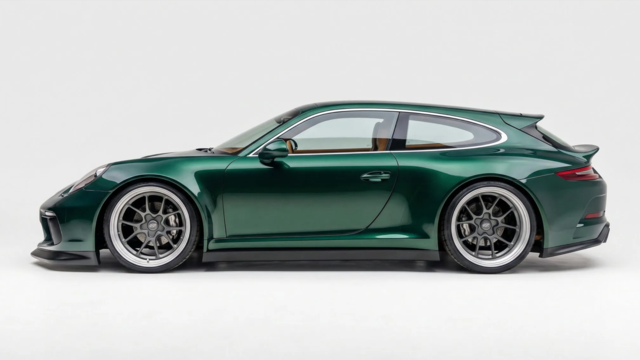
Slideshow: A Polish Porsche specialist is moving ahead with one of the most unusual 911 conversions in recent memory: a shooting brake version of the 991-generation sports car.
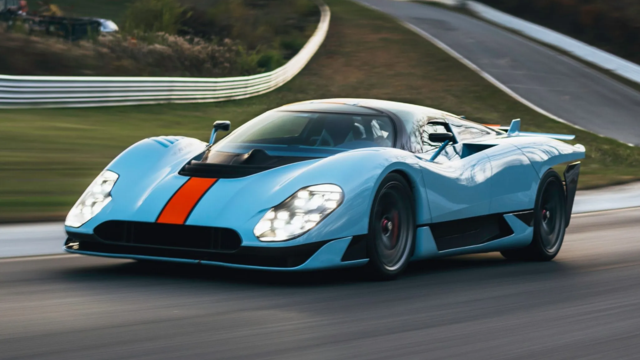
Slideshow: A Porsche Carrera GT has been transformed into a one-off coachbuilt machine that blends analog supercar engineering with styling inspired by the legendary 917 race cars.
Slideshow: A heavily modified Porsche Cayenne convertible with faux wood trim and a long list of flaws recently sold at auction for surprisingly little money.
Slideshow: For a company obsessed with engineering precision, Porsche has occasionally named its cars in ways that left even loyal enthusiasts scratching their heads.
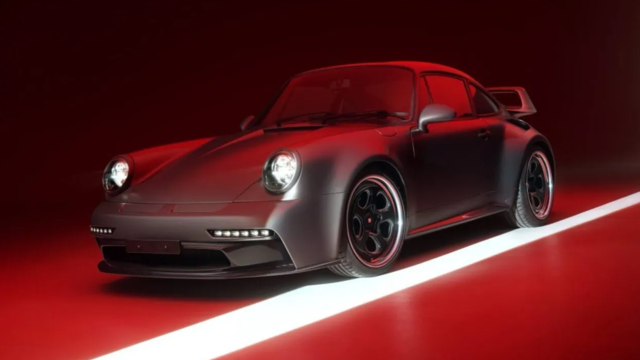
Slideshow: Pogea Racing's latest Porsche 964 project blends carbon-fiber construction, modern chassis upgrades, and up to 500 horsepower while keeping the air-cooled 911 experience firmly analog.