When you click on links to various merchants on this site and make a purchase, this can result in this site earning a commission. Affiliate programs and affiliations include, but are not limited to, the eBay Partner Network.
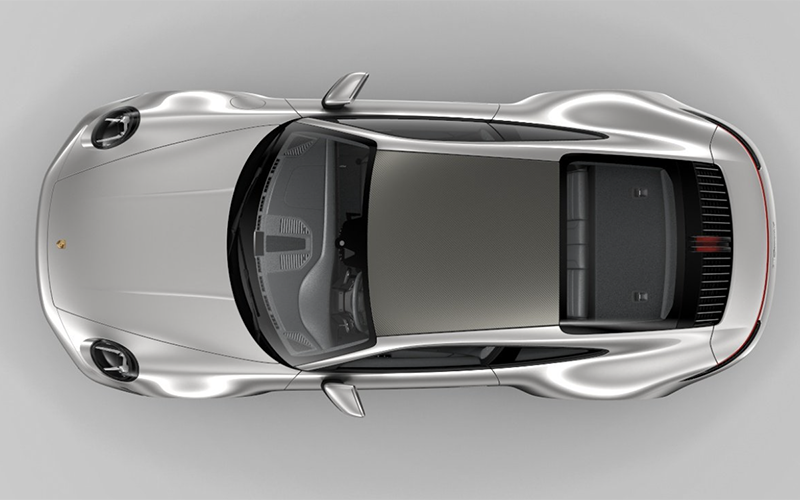
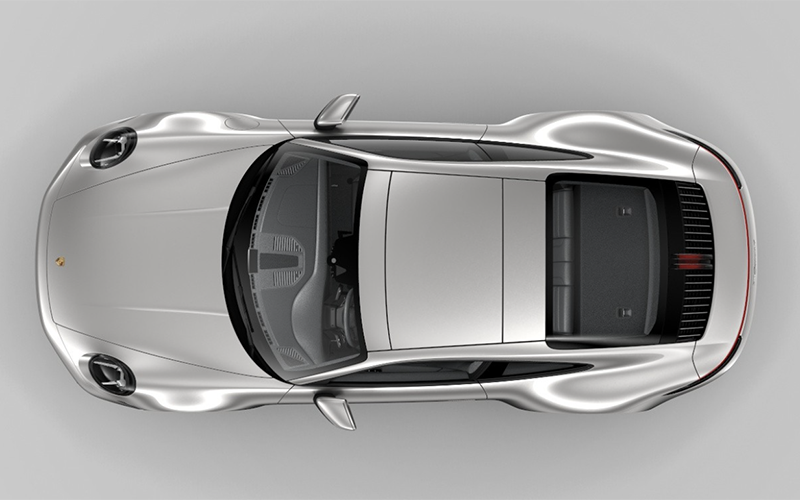
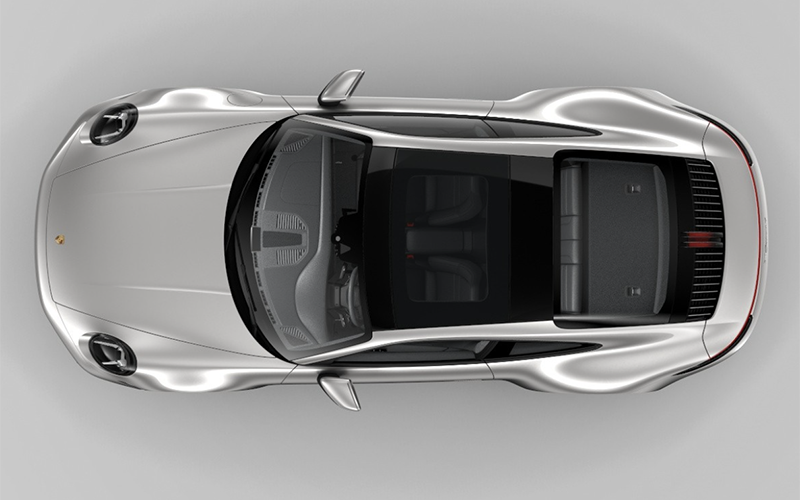
The opening metal sunroof would be appreciably heavier than the non-opening roof as it's steel rather than aluminum (according to the configurator) and also has motor and cassette.
The glass roof is likely the heaviest option: glass weighs a lot compared to aluminum or steel and there is also motor and cassette.
That would be my guess as well. I would love to know the actual weight differences. I don’t think there is a huge difference from the carbon (around 4 pounds, although it is weight up high which makes a bigger difference than 4 pounds down low). I’m guessing maybe 20 pounds additional for the steel sunroof and then maybe another 5-10 (for a total of 25-30) for the glass?
FOR ME, 911s with any sunroof is one of my few, absolute no gos. I understand some people love sunroofs and they should order it how they want, but go cab instead or stay coupe, don't split the baby.
One thing to keep in mind about reducing weight that I think many people overlook is balance.
Yes, it's good to reduce weight with a lightweight battery, but then that just makes the front of the car even lighter (vis-a-vis the rear), which will throw off the cornering and braking of the car (as the stock suspension setup is tuned for a certain weight and weight distribution). Not to mention how this will affect the aero of the car at speed.
This is less of an issue when we are talking about reducing mass or weight equally from the car -- i.e., wheels or brakes -- but it is still something to consider as, again, the suspension is not necessarily setup for what can be described as not insignificant weight reduction.
One thing to keep in mind about reducing weight that I think many people overlook is balance.
Yes, it's good to reduce weight with a lightweight battery, but then that just makes the front of the car even lighter (vis-a-vis the rear), which will throw off the cornering and braking of the car (as the stock suspension setup is tuned for a certain weight and weight distribution). Not to mention how this will affect the aero of the car at speed.
This is less of an issue when we are talking about reducing mass or weight equally from the car -- i.e., wheels or brakes -- but it is still something to consider as, again, the suspension is not necessarily setup for what can be described as not insignificant weight reduction.
This is true. A big reason why most shouldn't worry about the extra 60lb power seats; since it's weight helps offset some of the rear weight bias
One thing to keep in mind about reducing weight that I think many people overlook is balance.
Yes, it's good to reduce weight with a lightweight battery, but then that just makes the front of the car even lighter (vis-a-vis the rear), which will throw off the cornering and braking of the car (as the stock suspension setup is tuned for a certain weight and weight distribution). Not to mention how this will affect the aero of the car at speed.
This is less of an issue when we are talking about reducing mass or weight equally from the car -- i.e., wheels or brakes -- but it is still something to consider as, again, the suspension is not necessarily setup for what can be described as not insignificant weight reduction.
Should be able to factor some the weight out using corner balancing. But that presumes height adjustable springs.
I seem to recall a thread that showed how much weight the carbon roof saves, and thought it was around 4 pounds (3.8 sticks in my mind for some reason). I cannot find that thread any longer, despite spending a bunch of time searching.
However, that got me thinking about all the options that save weight. (If this information already exists in one place, happy to be pointed that direction and can delete this thread.)
Factory options:
Carbon roof: 30% compared to steel (IIRC 3-4 pounds)
PCCB: 40 pounds (based on some other threads I saw)
4-way vs. 14-/18-way seats: ~60 pounds
Lightweight/insulated glass: 8 pounds
Sunroof delete: ??? (this almost seems like it would a weight increase depending on which of the two sunroof options a buyer spec'd)
Manual Transmission: 77 pounds
Base interior (i.e., not full leather): ???
Aftermarket options to save weight:
Aftermarket wheels: 20-40 pounds
AntiGravity Battery: 40 pounds
Exhaust: 18 pounds (depends on specific system)
I can update this with other options/suggestions as they come up.
When you're ready to move forward on the battery just let us know and we'll make sure you're taken care of. For those that haven't seen or are wondering what the battery is all about feel free to check out our new Video below. It's a little long but informative and of course as always feel free to reach out to us with any questions you might have.
-Chad chad@antigravitybatteries.com
Thank you - I love my Antigravity Battery. Easy install and no problems or codes thrown. It is a real DIY. When I put that and Soul Performance side deletes in the back of my Touring, it lost 75 lbs. without breaking a sweat. And, my battery never skipped a beat.
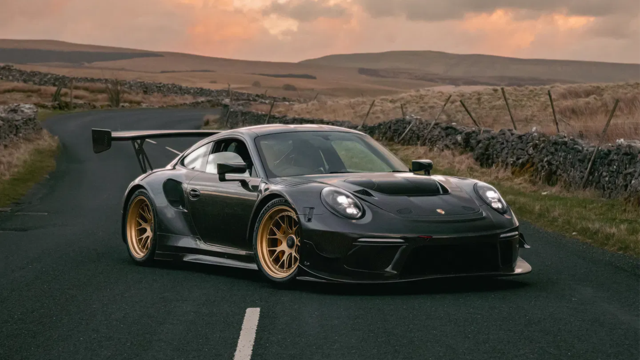
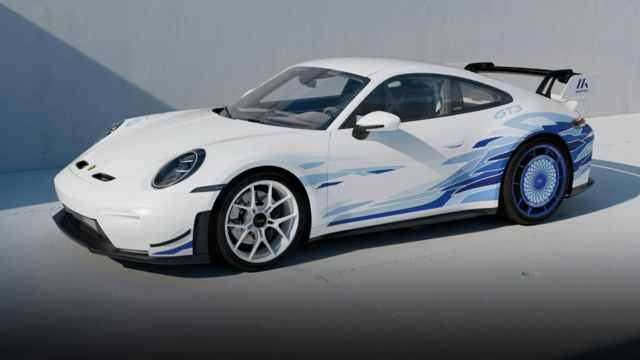
Talos Takes Your 991 Porsche 911 GT3 to the Next Level for a Cool $1.13 Million
Slideshow: Talos Vehicles has transformed the Porsche 911 GT3 RS into a carbon-bodied, race-inspired machine that costs well over $1 million before the donor car is even included.
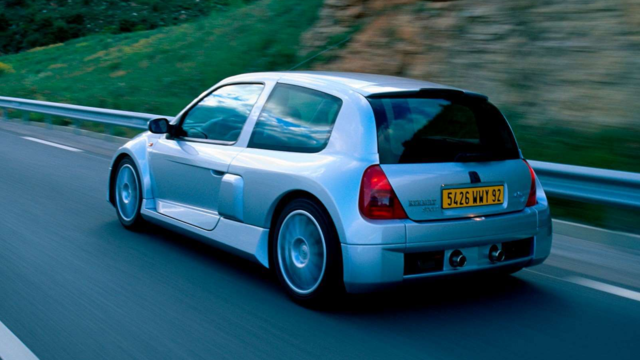
9 Vehicles Porsche Helped Engineer that Aren't Porsches
Slideshow: Long before engineering consulting became trendy, Porsche was quietly helping other automakers build everything from supercars to economy hatchbacks.
9 Features and Characteristics That Only Porsche People Understand
Slideshow: Some brands build cars. Porsche builds traditions, obsessions, and a few habits that stopped making sense decades ago but somehow became part of the charm.
This Builder Is Turning Heads With Its Slantnose 911 Creation
Slideshow: A small Polish tuner has reimagined the Porsche 911 Slantnose for the modern era, blending 1980s nostalgia with widebody tuning culture and serious performance upgrades.
Porsche 911 GT3 Artisan Edition Pays Homage to Japanese Culture
Slideshow: Porsche has created a Japan-only 911 GT3 Artisan Edition that blends track-ready hardware with design cues inspired by traditional Japanese craftsmanship.
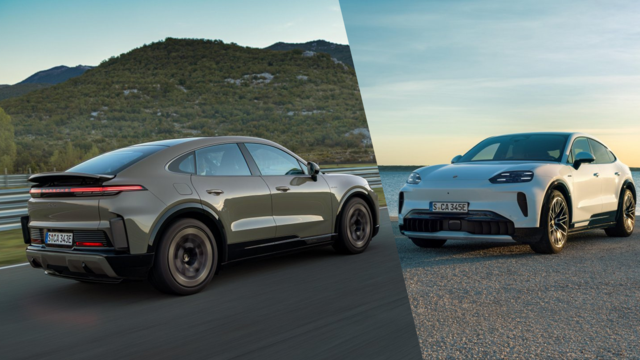
Porsche Reveals Coupe Variant of the Electric Cayenne With a Fresh Look
Slideshow: Porsche's latest electric Cayenne Coupe blends dramatic styling with supercar acceleration, turning the brand's midsize SUV into a 1,139-horsepower flagship.




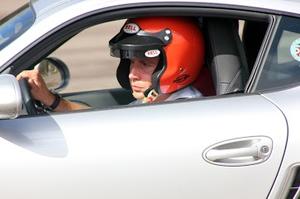




 Whoops, I'd better stop eating all of that popcorn.