




Garage Heating

Rennlist Member

Joined: Dec 2018
Posts: 170
Likes: 58

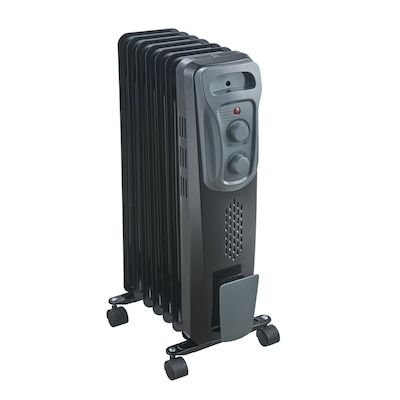
I am looking for ideas on what the best way to heat our garage. I am connecting the house to a 3 car garage. Construction is underway. I will be insulating the remaining 2 walls and ceiling, eventually putting new efficient garage doors. What have others done to heat their garages? I know you can get electric heaters. What about running ductwork into the garage for heating from the house furnace?

Intermediate

Joined: Feb 2015
Posts: 33
Likes: 2
From: Grand Rapids, MI
I had a forced air natural gas ceiling mounted heater in my previous garage and just built a new home and have a natural gas radiant tube heater in both the attached garage and my stand alone garage. I would personally not go back to a forced air heater. Although it worked quite well it was noisy and with moving air it seemed to blow dust around quite a bit. The radiant heater is nearly silent and instead of heating the air as much it seems to really heat the objects and floor quite well, so when I open the over head door to take my snowplow out it seems to get back up to temperature much quicker. It is a very nice dry heat as well.
I would also consider a mini split in my next build. They are also really quiet and having the option for air conditioning would be very nice in the summer.
I would also consider a mini split in my next build. They are also really quiet and having the option for air conditioning would be very nice in the summer.

Rennlist Member

Joined: Aug 2002
Posts: 1,141
Likes: 302
From: Northern NJ
If you have hot water heat in the house you can set up a zone in the garage but for a fast recovery situation like a garage, you need a different type of system.

Rennlist Member
Joined: Apr 2016
Posts: 1,544
Likes: 488
From: The 780
Currently have forced air. HATE it.
Floor temp is much colder compared to the temperature at the level of the thermostat.
Every time you open the garage door in the winter the heater kicks in.
Previously had radiant heat, with ceiling fans. Loved it.
Upfront infrastructure costs much higher.
Operating costs very cheap.
Very even temp in the garage. Floor temp is what the whole garage feels like.
Floor is warm (important if you work on your car). I guess you could relocate the thermostat for the forced air to the level of the floor.
Opening the garage door had less an effect than when having forced air as the garage slab is a HUGE heat sink.
When the garage floor gets wet it dries quicker.
If I was starting from scratch I would definitely go with in-floor radiant heat.
Floor temp is much colder compared to the temperature at the level of the thermostat.
Every time you open the garage door in the winter the heater kicks in.
Previously had radiant heat, with ceiling fans. Loved it.
Upfront infrastructure costs much higher.
Operating costs very cheap.
Very even temp in the garage. Floor temp is what the whole garage feels like.
Floor is warm (important if you work on your car). I guess you could relocate the thermostat for the forced air to the level of the floor.
Opening the garage door had less an effect than when having forced air as the garage slab is a HUGE heat sink.
When the garage floor gets wet it dries quicker.
If I was starting from scratch I would definitely go with in-floor radiant heat.

Racer
Joined: Sep 2001
Posts: 404
Likes: 30
My favorite is the radiant floors in our attached garage. Gentle, quiet heat. But slow to change temperature. And hard to add if your floors are already poured.
My second favorite is the tube heaters in the ceiling of our barn. The heat coming down in February reminds me of sitting on the beach! Ours warms the barn from 45 to 65 before I finish my coffee.. but you need height to accommodate these.
The Mitsubishi wall units look neat too.
My second favorite is the tube heaters in the ceiling of our barn. The heat coming down in February reminds me of sitting on the beach! Ours warms the barn from 45 to 65 before I finish my coffee.. but you need height to accommodate these.
The Mitsubishi wall units look neat too.

Rennlist Member
Joined: Sep 2016
Posts: 4,515
Likes: 2,228
From: The Beach
I have two propane gas heaters in the garage area (garage plus a garage utility room). They are hooked up to a buried propane tank that also runs a Generac and gas stove. If you are doing construction now, it might be worth considering running the pipes if you want to run more than just garage heating.
Rennlist Member

Joined: Apr 2010
Posts: 1,440
Likes: 488
From: PA
I'm in the northeast so we have extreme temperatures. I used a Mitsubishi split system like Mooty because I needed both heat and cool. My oversized 4 car garage with 15' ceilings required two systems but operating cost was not noticeable on by energy bill. My prior house had a 2.5 car garage with a finished upper level but open to the garage level and one system managed the temp fine.
Rennlist Stories
The Best Porsche Posts for Porsche Enthusiasts

10 Porsche Colors That Have More Personality Than Most People
Verdad Gallardo
Guntherwerks' Final Speedster Creation Is the Ultimate Porsche Restomod
Verdad Gallardo
10 Reasons I Hate Going to the Porsche Dealership (& the 1 Reason I Stay)
Joe Kucinski
Porsche Shakes Up The Nürburgring Lap Record Table Once Again
Verdad Gallardo
6 Ways the Porsche 911 GT3 S/C Redefines Performance
Joe Kucinski
10 Wildest Homologation Specials Porsche Ever Sold
Verdad Gallardo
Super Rare RUF BTR III Comes Out of Hibernation, Looking For a New Home
Verdad Gallardo
10 Porsche Opinions That Can Start a Fight
Joe Kucinski
One-Off Porsche 911 S/T Takes Inspiration From Famous '70s Race Car
Verdad Gallardo
Addict
Rennlist Member
Rennlist Member
Joined: Oct 2003
Posts: 17,275
Likes: 2,150
From: Gone. On the Open Road
There is a cheaper, less extreme alternative to in-floor radiant heating: one or more infrared panels.
Amazon Infrared Panel
We have one in our master bathroom on our ceiling, which has concrete floors and a big floor-to-ceiling window. In the winter we struggled to get the temp above 64 degrees. Now it is toasty.
Amazon Infrared Panel
We have one in our master bathroom on our ceiling, which has concrete floors and a big floor-to-ceiling window. In the winter we struggled to get the temp above 64 degrees. Now it is toasty.
My natgas-boiler-fired in-ground radiant system will keep the garage at working temp all winter and costs less $200 per month to operate (or about $250/mo if you include a generous allowance for yearly maintenance costs.)
It is infrared so the heat is different. It heats objects not the air but it is very effective. It is also very safe - no hot spots or anything - and it stays on all winter in our house.
Rennlist Member
Joined: Apr 2016
Posts: 1,544
Likes: 488
From: The 780
In-ground radiant is different too. It heats the floor. In the depths of winter the floor is at about 70-75F so it is very comfortable to work on whether you are standing or lying. Also, there is - effectively - no temperature change when a car leaves or enters the garage. While the temp drops while a garage door is open, within a minute or two the air temp is back to 'normal.'
Addict
Rennlist Member
Rennlist Member
Joined: Oct 2003
Posts: 17,275
Likes: 2,150
From: Gone. On the Open Road
In floor radiant heat worked perfectly fine for me living in frosty Canada where the temps would get to -30C for EXTENDED periods. The slab was over engineered, and poured on piles with a insulation barrier around the foundation and under it. As mentioned the temps would get back to being warm quite quickly with the boiler rarely kicking in. Benefit of a heat sink weighing thousands of pounds.


Rennlist Member
Joined: Mar 2013
Posts: 547
Likes: 180
From: Atlanta, GA
In-ground radiant is different too. It heats the floor. In the depths of winter the floor is at about 70-75F so it is very comfortable to work on whether you are standing or lying. Also, there is - effectively - no temperature change when a car leaves or enters the garage. While the temp drops while a garage door is open, within a minute or two the air temp is back to 'normal.'
And FWIW my wife pays the electric bill
 She says she doesn't see that much uptick from the panel being on but we're also not talking about a garage or an extreme temperature variation.

Addict
Rennlist Member
Rennlist Member
Joined: Jun 2001
Posts: 2,230
Likes: 10
My favorite is the radiant floors in our attached garage. Gentle, quiet heat. But slow to change temperature. And hard to add if your floors are already poured.
My second favorite is the tube heaters in the ceiling of our barn. The heat coming down in February reminds me of sitting on the beach! Ours warms the barn from 45 to 65 before I finish my coffee.. but you need height to accommodate these.
The Mitsubishi wall units look neat too.
My second favorite is the tube heaters in the ceiling of our barn. The heat coming down in February reminds me of sitting on the beach! Ours warms the barn from 45 to 65 before I finish my coffee.. but you need height to accommodate these.
The Mitsubishi wall units look neat too.
Still, needed air conditioning, I added two Fujitsu split air-cond and heat units.
Last edited by amfp; Oct 29, 2019 at 07:22 PM.