When you click on links to various merchants on this site and make a purchase, this can result in this site earning a commission. Affiliate programs and affiliations include, but are not limited to, the eBay Partner Network.
Getting the car back today after ignition repairs, so I can begin the cleaning effort. Shop tells me the wiring and coils were corroded and better to clean them with wire brush rather than replace. Apparently parts supply is now coming from China or Brazil and not reliable. Anyone else hearing this?
Anyway, will get underneath and clean as much as I can. One more question: How does oil get into the heating system? Is it possible to drop these parts and clean them out really well to avoid smoking and potential fire? Or is that not where I need to be concerned?
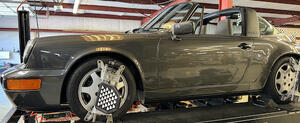
My primary concern is keeping this gem from flaming. See the Rubystone on BaT this week. I need to keep it in that kind of condition.
Typically leaks down onto heat exchangers from above.
You can use spray cleaner to clean out the exchangers.
Best advice. Get it all clean. Don’t use synthetic oil. I use 20w/50 in SC USA. Don’t let the car sit. Drive it and let the seals resaturate and swell. Some of your leaks will dry up.
Fix what is left.
My power steering pump was leaking onto my heat exchanger and causing a burnt oil smell with the heat. The power steering pump is on the top front passenger side of the engine and drips on the passenger heat exchanger. The seals are relatively inexpensive. Access is very challenging, but they can be changed with the motor in the car. I couldn’t open the video, but worth checking that area out.
My power steering pump was leaking onto my heat exchanger and causing a burnt oil smell with the heat. The power steering pump is on the top front passenger side of the engine and drips on the passenger heat exchanger. The seals are relatively inexpensive. Access is very challenging, but they can be changed with the motor in the car. I couldn’t open the video, but worth checking that area out.
Thanks. Most of my leaks are on the driver side. Passenger side is fairly dry but is definitely something for me to check.
Several, myself included, have cured power steering RACK leaks with Lucas stopleak. I was somewhat amazed this worked. I’ll still rebuild the rack but its awful nice to have some time to procrastinate on that. No idea if it will help at the pump but can’t hurt to try.
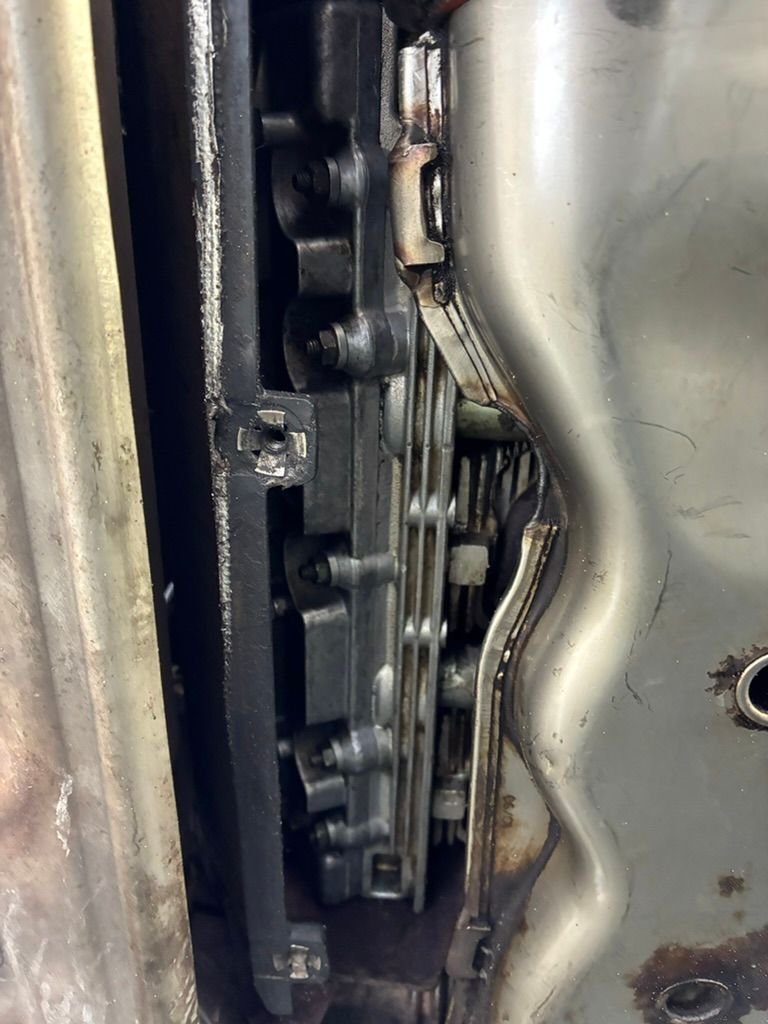
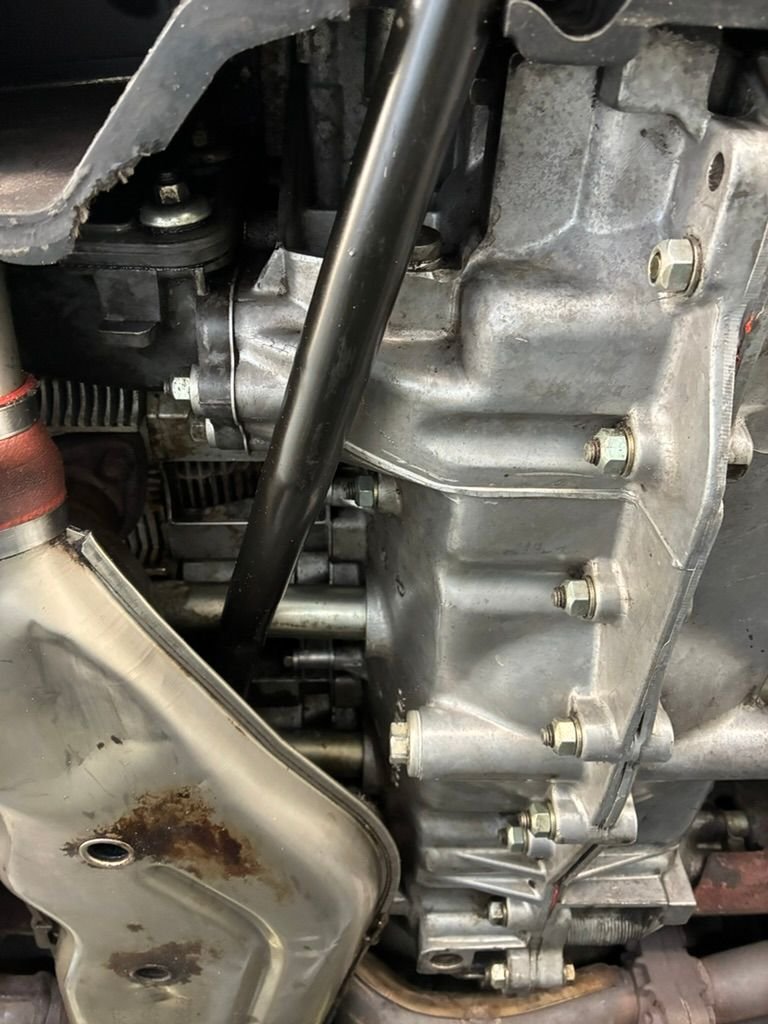
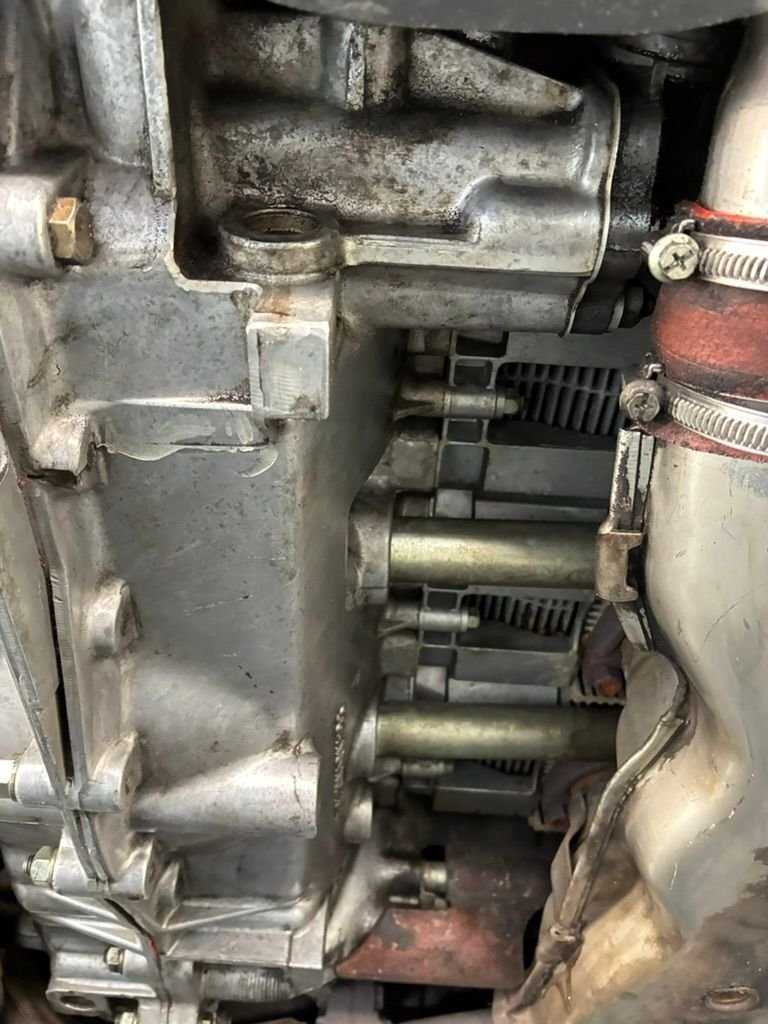
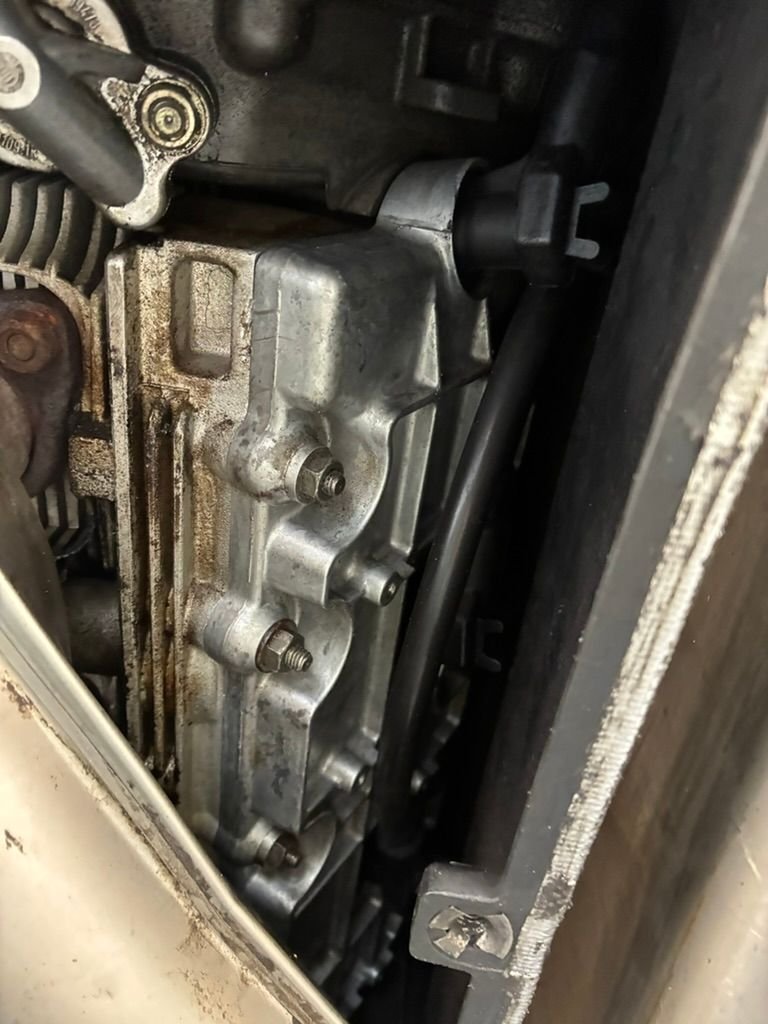
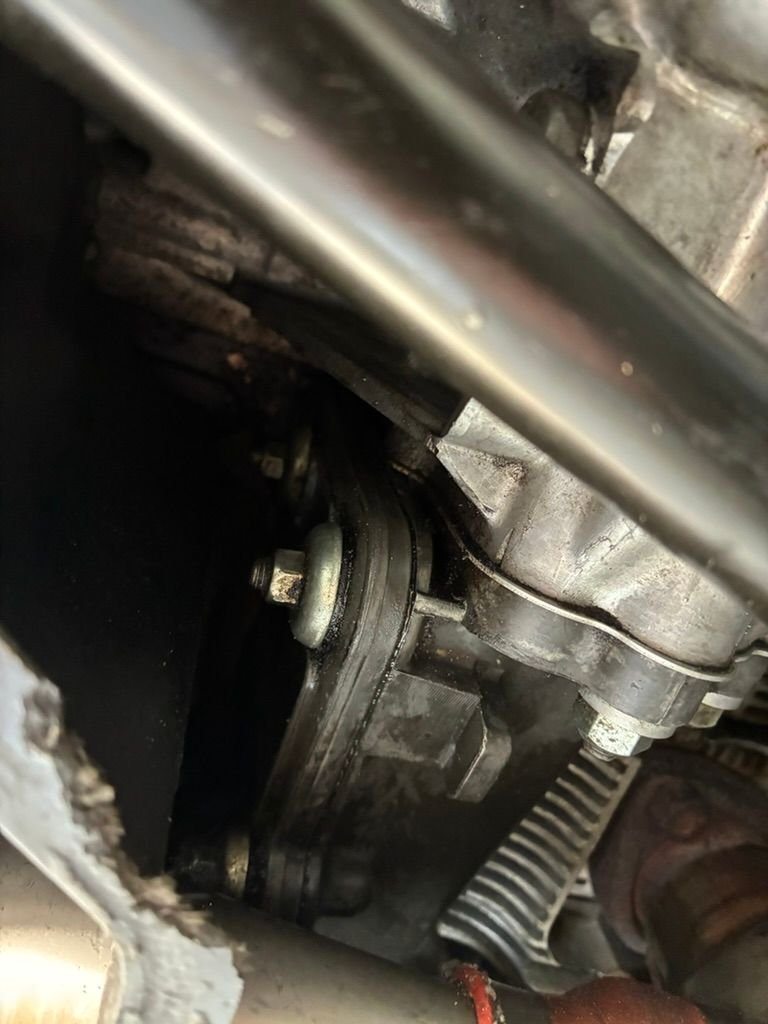
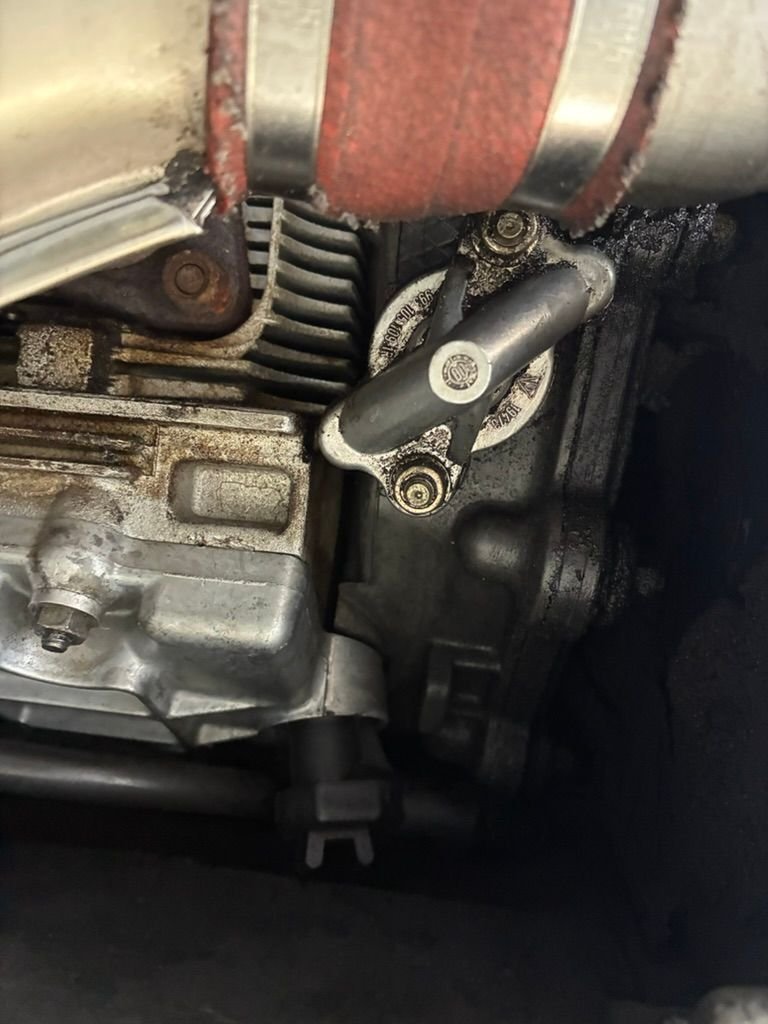
I've done some cleaning, and it's easy enough where I can fit my hands. But these panels that surround the engine are so tight I am guessing I should be removing them, but they do not appear to be removable without removing the exhaust and heat exchangers. So I'm unsure if I'm approaching this the right way. Here are the pics of the cleaned up bottom side, and it does look like the driver side valce cover and the timing covers(?) are leaking the worst.
Also, what are the two small bosses on the valve covers used for? It looks like maybe a good place for spark plug wire management clips or something. I don't have anything there except one broken piece of plastic screwed onto one of them.
The plastic / silver heat shields will come off with the engine in the car. Put the car on stands or a lift if you have one, take the rear wheels off and lower the back of the engine a couple of inches by carefully unscrewing the two main rear engine mount nuts. You need to brace the engine with something sturdy.
The heat shields are held in place by nuts accessible from above. On the drivers side the blower has to come out and on the passenger side the air filter box is in the way. Once you have the shields off, you have easy access to the valve covers.
The timing chain covers are a little more involved but can be done with the engine in the care. Again, with the back of the engine lowered a little, the primary muffler needs to come off. You also at this point. Need to remove the rear engine carrier so make sure the engine sits on something sturdy and secure. The biggest issue is on the passenger side where the ac compressor bracket is in the way. Unless the previous owner modified the bracket, the harmonic balancer needs to come off. You need a special tool for that and a really big torque wrench. Modify/ shave the bracket so next time it can pass over the balancer.
A word of caution. Do NOT over tighten the nuts for the valve covers or chain covers or they will leak. It's one of the mistakes many make doing it the first time - ask me how I know. You need a small torque wrench for this.
The broken plastic piece are indeed the remnants of spark plug wire holders.
20499592[/url]]The plastic / silver heat shields will come off with the engine in the car. Put the car on stands or a lift if you have one, take the rear wheels off and lower the back of the engine a couple of inches by carefully unscrewing the two main rear engine mount nuts. You need to brace the engine with something sturdy.
The heat shields are held in place by nuts accessible from above. On the drivers side the blower has to come out and on the passenger side the air filter box is in the way. Once you have the shields off, you have easy access to the valve covers.
The timing chain covers are a little more involved but can be done with the engine in the care. Again, with the back of the engine lowered a little, the primary muffler needs to come off. You also at this point. Need to remove the rear engine carrier so make sure the engine sits on something sturdy and secure. The biggest issue is on the passenger side where the ac compressor bracket is in the way. Unless the previous owner modified the bracket, the harmonic balancer needs to come off. You need a special tool for that and a really big torque wrench. Modify/ shave the bracket so next time it can pass over the balancer.
A word of caution. Do NOT over tighten the nuts for the valve covers or chain covers or they will leak. It's one of the mistakes many make doing it the first time - ask me how I know. You need a small torque wrench for this.
The broken plastic piece are indeed the remnants of spark plug wire holders.
Great summary.
I can only add that at the moment when harmonic balancer needs to go off, I would want my engine to be on the engine stand.
People try to not take out engine out of the car as much as possible, and for simple works that’s ok in general. But at certain point I would just get it out of the car to save time and neighbors from learning many interesting new words shouted out loud.
Best is to make that decision prior to lowering the engine and unbolting like few dozens of nuts and screws.
In the photos I can see the engine is pretty clear.
Now you need to observe where the oil appears and try to track down the paths it followed to these points.
Overtightening magnesium covers is a sin. People think if they tighten them more these should not leak, but it’s the opposite. iIRC these should be tightened to like 7-8Nm (sorry guys I’m imperial). Bascically you can overtighten that with wrench / Allen key pretty easily. Using a „screedriver” type wrench is more secure, but I did overtighten that way few threads anyway. My advice - get a small torque wrench for securing rocker covers and timing chain covers.
If your timing chain covers are bent and leak, consider my development, where I don’t use any gasket at all- just sealant between 2 mating surfaces. That’s proven solution to leaks there and some say these look nice as well.
Thank you for the tips. I will have to get back to this in a couple weeks. Tomorrow we go into the body shop for some small repairs. Hoping the short drive there and back will reveal the leaks. It is still very difficult to see where anything may be leaking. My valve cover gaskets were replaced 5 years ago. I'm wondering if they should last longer than that? Seems like that is where a lot of oil was hanging. But also the entire case was covered.
Keep in mind that air movement from driving and the cooling fan will blow oil around so where you see oil is usually not where it leaks, unless you have a pretty big leak.
Your valve covers are a usual suspect and you don't really know how they were installed 5 years ago so they would be my first go-to. Same with timing chain covers, chain tensioner housing, and oil bridges. There is also a possibility that oil leaks from a gasket between the chain housing and the engine. Changing those is a lot more involved since the camshaft sprockets need to come off. I have done it with the engine in the car. If you want to do that, pm me and I'll walk you through it.
Also, a common leak is from the oil pressure assembly. It's super easy to change the gasket but really a pita to get to. It's basically behind the intake stacks at the far end of the engine. At least half of the intake stack has to come out. At that point it would indeed be easier to just drop the engine if you are doing all the work at once.
Finally, take a look at your power steering pump on the passenger side of the car. Another well known source of leaks
All gaskets, unless replaced recently, are now over 30 years old and at the end of their useful life so soon or later, they will need to be addressed. Oh, and your fuel lines are old too so the flexible parts need to be changed out. Lots of good information here on this forum.
You'll find answers to many potential questions there. I did a reseal following this and it worked out well. Including taking off the harmonic balancer (because of the AC bracket, as described by @cjoenck ), and the camshaft sprockets to get off the chain housings.
It's all doable with engine in the car, although I must admit that some things probably would have been easier with the engine "on the workbench". But then obviously there's the complication of taking the engine out of the car :-)