When you click on links to various merchants on this site and make a purchase, this can result in this site earning a commission. Affiliate programs and affiliations include, but are not limited to, the eBay Partner Network.
I tried to bleed the clutch hydraulic circuit by following the various guides available on the forum, pressurizing the system from the expansion reservoir.
I plugged the breather marked in red in the photo.
Once I opened the nipple on the left rear wheel side, fluid started to flow out (it was very dirty — I suspect it had never been bled before).
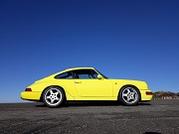
At some point, however, air started coming out and the clutch pedal went straight to the floor. I suspect that the fluid level in the reservoir dropped too low, even though it appeared to be full, and air was drawn into the system. I’ve read that the clutch pickup point is higher than the brake one. Additionally, as shown in the picture, I had raised the rear of the car, so the fluid in the reservoir shifted toward the front, which probably contributed to air entering the clutch feed line.
Unfortunately, I’ve run out of brake fluid, but I’ll retry the procedure as soon as I get more.
Since the circuit is now completely empty, does anything change in the bleeding procedure?
Also, during the bleeding process, should I ever press the clutch pedal?
Based on the steps I followed above, did I do something wrong or miss anything?
The clutch is a little tricky. It sounds like you have the right steps.
Question: Did you pressurize "wet" or "dry"? Meaning just pressure to the reservoir or did you put brake fluid in the bleeder? If you used the "dry method" (as I always do) it's easy to run dry bleeding the clutch. If you look at the reservoir it can look as it is full with fluid, but actually the there's a section in the reservoir (far left) in your picture which supply the fluid for the clutch. And that small section runs dry in a few seconds when you open the bleeder valve....and then you have air in the system.
No problem to get the air out but just take your time. The clutch is ultra sensitive for the slightest air bubble. Top up fluid, open the valve for like 3 seconds. Then repeat and finally the pedal will wake up.
Leave the pedal in the up right position and don't touch it when bleeding. Just push it to test once the circuit is closed.
I replaced my clutch main cylinder a month ago and had the same issue. It took some time and +1 bottle of fluid until I was happy. There was always one bubble left after every atempt!
Thanks for the reply.
I did the “wet” method, but the fluid definitely wasn’t enough.
Do you recommend going with the “wet” or “dry” method? Personally I feel more safe with the wet method but this time with enough fluid in the bleeder.
Now I’ve bought 1 liter of fluid — do you think that will be enough to purge all the air from the system?
Last edited by freno a mano; May 19, 2025 at 05:15 AM.
Wet is "Safer" but the bleeder gets so messy so that's why I use just only pressure. I also think you don't use up as much fluid.
One more bottle should be enough. Pump up the bleeder to a minimum of 1,5 bar or more. And bleed in shorter stints and then wait some minutes so everything settles a bit before you open the valve again for the next stint.
Finally the pedal will be there. There's no magic to this, just patience (and frustration!).
You didn't use enough fluid. Porsche factory procedure when system is open is a power bleeder at like 45 seconds, which is a long time. I fill the entire bottle and pressurize to just under 20lbs if I recall. Then just let it do it's thing.
if everything is empty and the back of the car is higher than the front during bleeding, you will not get all the air out.. Ask me - cost me two trackdays until i found it. After some laps of nordschleife the new gearbox shifted not smooth... when the car was cold again, everything was fine again..
Solution was, to remove the cylinder at the clutch and hold the bleeding nipple as highest point.. then, you get all of the air out..
I remember when bleeding the clutch when we replaced the slave and master cylinders was a huge pain in the ***. We got it right the manual way. A huge leg workout.
if everything is empty and the back of the car is higher than the front during bleeding, you will not get all the air out.. Ask me - cost me two trackdays until i found it. After some laps of nordschleife the new gearbox shifted not smooth... when the car was cold again, everything was fine again..
Solution was, to remove the cylinder at the clutch and hold the bleeding nipple as highest point.. then, you get all of the air out..
Should be zero issue re: the back being in the air, it's just a pain to bleed properly/thoroughly.
Yesterday I tried again, and I think it was a success. I also bled the brakes. I bought a long 7mm wrench, which made the job much easier. I highly recommend the "wet" method, to avoid making a mess I emptied the bleeder and the reservoir down to the "Max" line bleeding the brakes. Now I just need to make sure everything is working properly after heating the circuit — Koenig_Roland’s experience made me a bit concerned :-) BTW this time the rear of the car was lower than the front while bleeding.
Last edited by freno a mano; May 23, 2025 at 04:54 AM.
Again, if you're using a power bleeder, or even without, there's zero issue with the rear of the car being higher, you're forcing fluid through the lines, makes no difference. Glad you got it sorted.
For those interested this is a bigger issue with the C2 small reservoir vs the C4's large reservoir. I use a small bleeder cup supplied with mighty vac or other similar vacuum pumps. If you use the dry method only drain one cups worth per bleed. If you have issues still. Using a mighty vac to add suction at the cylinder and the motive to add pressure you can pull a lot of air out at one time.





 Clutch Bleeding Procedure Failed