When you click on links to various merchants on this site and make a purchase, this can result in this site earning a commission. Affiliate programs and affiliations include, but are not limited to, the eBay Partner Network.
When I dropped the cat on my '92 C4, i was able to drain about a cup of oil out of it. Yikes! I can also see a pool of oil in the pipe leading back towards the engine. I can easily suck out the pool of oil, but is there anything else I should be doing? I have set the cat in a vertical orientation so any excess oil will drain out, but should it be washed or blown out with gentle application of compressed air maybe? Interestingly the exit side of the cat looked dry and perfectly normal so maybe there is some hope that the cat is not toast. There are lots of scary YouTube videos on how to clean a cat. I would rather trust the advice I get on Rennlist as opposed to the guy on YouTube who uses lacquer thinner, or drills a hole in the cat and then injects varsol WHILE THE ENGINE IS RUNNING.
I am NOT recommending it....but bringing it up in hope that it might spark a more knowledgeable mechanic.........I've heard of using Diesel gas to wash out oil in coolers and such.
I was thinking about using gasoline, since a cat should be designed to handle some raw fuel that would get pumped though when an engine refuses to start.
Any thoughts?
Yeah, excess oil in the CAT isn't a good thing. Usually, a sign of bad blow by of piston rings or valves getting gunked up and allowing oil to sneak by.
Cleaning it is easy. Let it sit overnight upside down, then spray in there with brake cleaner or gas. Once you put it back on, whatever is left should burn out.
I am very concerned about how the oil got into the cat, but have a working theory on how this happened. The car was stored for 15 years. So the most likely explanation is that the oil in the reservoir tank drained back into the engine and over a long period of time some of the oil leaked past the rings and this oil got pushed out into the exhaust system when I started the engine. This is my first Porsche and had I known about this possibility, I would have taken steps to remove the oil before I started it but nothing I can do about that other than to accept the blame, chalk it up to experience, and move on. The car has only 25,000 miles on it so rings and valve guides should all be in good shape. I hope I have not damaged the engine. A new cat is bad enough, but if I have to rebuild an engine with this low mileage, I might shed a few tears and a lot of dollars.
I have been studying exhaust flow diagrams and am now troubled by the low spot created by the crossover tube and the possibility that there is another pool of oil sitting there. If I drop the whole header/heat exchanger system in order to flush out any oil, I am worried about snapping off the manifold studs at the connection to the cylinder heads. Will I damage the engine if I run it with the cat removed? The hope would be that it blows all residual oil out thereby eliminating the need to do any further disassembly.
I have shamelessly copied the following picture from a posting by Bill Verburg in this thread http://forums.pelicanparts.com/porsc...elp-964-a.html
Hope you don't mind Bill. Your posts really helped me understand the 964 exhaust system. Item 4 is the crossover with the low spot I am concerned about.
I'm surprised that much oil seeped out in the first place. But having sat for 15 years, it makes sense .
Clean the cat, which is easy enough. And get out and drive the car. When the motor is nice and hot, run it hard and any residual will burn off.
Let it sit for a couple days and start it. If you have a lot of white smoke, you know you are getting a reasonable amount of seepage past the rings into the upper cylinders. Take it from there.
I'm surprised that much oil seeped out in the first place. But having sat for 15 years, it makes sense .
Clean the cat, which is easy enough. And get out and drive the car. When the motor is nice and hot, run it hard and any residual will burn off.
Let it sit for a couple days and start it. If you have a lot of white smoke, you know you are getting a reasonable amount of seepage past the rings into the upper cylinders. Take it from there.
The only “functional” part of a converter is a ceramic open-ended honeycomb with a platinum-palladium coating. It functions by converting any bonded nitrogen and oxygen molecules that come into contact with the hot platinum-palladium into nitrogen and oxygen. The freed oxygen is then caught by the passing CO to create CO2 and the passing unburned HC molecules to “combust” into CO2 and H2O (ideally). The only two modes of failure are coating of the ceramic with deposits from excessive oil consumption, which prevents the molecules from touching the platinum-palladium and stops the converter from performing or physical destruction of the honey comb ceramic - not the case here. The point is that a typically catalyst works on contact so excessive oil may not just burn off but could leave residue that could impact the cat's effectiveness.
You know, I love my car despite taking delivery of it in March and never having driven it. I have been fixing it since March and one would think by now I would be regretting the purchase but that is not the case.
To be fair, I have not been working on only when time allows, but I have invested a lot of hours and a small chunk of change. Thankfully there has been tangible progress. Some call it bonding with the car and I guess that is true to some extent , but what I find really rewarding is the knowledge gained. Every step of the way, there is a new challenge that involves research and learning. Rennlist, Pelican and Google have been my best friends since March. The oily cat is just the latest example. Cjoenck has taken the time to explain some of the intricacies of how a cat functions and that inspired me to dig into it a bit deeper. Wikipedia has a great writeup at https://en.wikipedia.org/wiki/Catalytic_converter . This article confirms much of what Cjoenck says but also goes further.
What I learned from Wiki leads to even more questions and some shocking info about ZDDP additives in engine oil. If you go to Wiki scroll down to the "Damage" section. In essence, Zinc is a low-level catalyst contaminant that can harm your cat. So if you are using ZDDP oil, you could be harming your cat. But there is some good news also. The article claims that " Depending on the contaminant, catalyst poisoning can sometimes be reversed by running the engine under a very heavy load for an extended period of time. The increased exhaust temperature can sometimes vaporize or sublimate the contaminant, removing it from the catalytic surface. "
I am therefore hopeful that after washing my cat, an Italian tuneup can finish the job.
I would suggest searching the 964 forum for ZDDP. There has been lots of debate about the reduction of zinc in oils and the damage it can cause to cams etc.
Our engines are based on design considerations during the early days of emission control in Europe and some of the oil requirements for these engines like ZDDP were not 100% aligned with catalyst requirements as emissions control was considered a required evil. Remember that the car manufacturers had to be dragged into emissions compliance kicking and screaming. I am dating myself here but catalysts where made responsible for loss of power, less fuel efficiency etc. in the early days.
As engine development and with that oil formulation evolved, ZDDP became less important and "modern" oil has far less of it. Today catalysts are much more an integral part of an engine than in the 90s and cat requirements and engine design are more aligned.
Bottom line, classic engine and modern oil formulation do not necessarily make a good combo. I am really not trying to start yet another oil discussion- just a little history
Thanks guys! I was not implying that I would not use ZDDP oil but would need to do more research. Every question leads to another right? Based on what I have heard so far it sounds like I need ZDDP oil and have noted that Wiki says it is a LOW-LEVEL contaminant. But if I may, here is another question that came up in my research. Why is it that when using a cat bypass, the exhaust smell becomes so foul? Long before we had cats on our cars, I don't recall the exhaust being particularly bad smelling. Did a lead reaction eliminate the smell back when he still had leaded fuel, or is the smell coming from folks who are force to run ethanol?
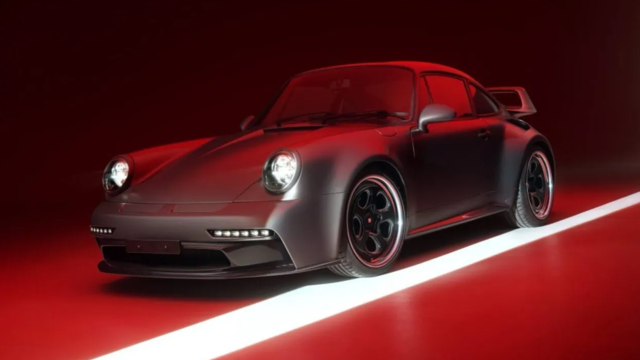
Theon Goes Full Carbon Fiber With Stunning New Build
Slideshow: Built around a carbon-bodied 964 and a naturally aspirated 4.0-liter flat-six, this bespoke commission highlights how far the restomod formula has evolved.
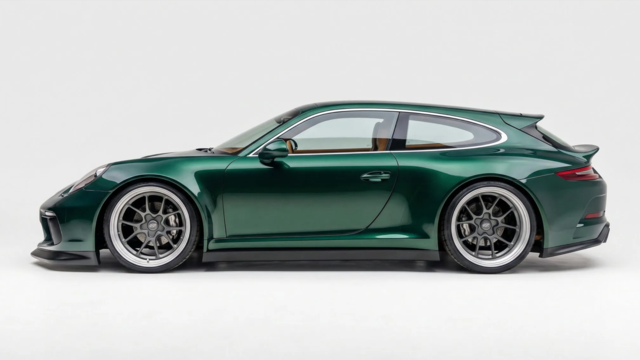
Tuner Is Converting Porsche 911s Into Shooting Brakes
Slideshow: A Polish Porsche specialist is moving ahead with one of the most unusual 911 conversions in recent memory: a shooting brake version of the 991-generation sports car.
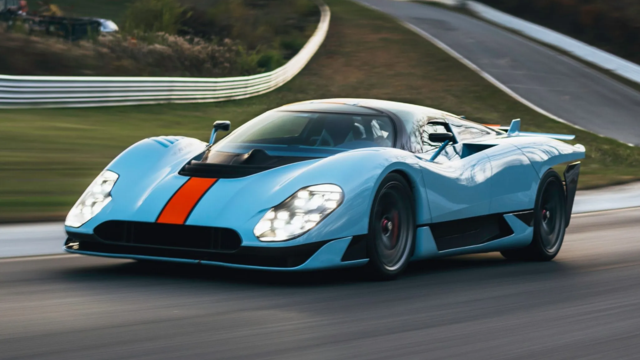
This Coachbuilt Creation Is A Modern Take on the Legendary Porsche 917
Slideshow: A Porsche Carrera GT has been transformed into a one-off coachbuilt machine that blends analog supercar engineering with styling inspired by the legendary 917 race cars.
Is This Convertible Cayenne A Steal, Or A Returnless Investment?
Slideshow: A heavily modified Porsche Cayenne convertible with faux wood trim and a long list of flaws recently sold at auction for surprisingly little money.
Porsche's Top 5 Most Questionable Naming Decisions
Slideshow: For a company obsessed with engineering precision, Porsche has occasionally named its cars in ways that left even loyal enthusiasts scratching their heads.
Pogea Racing's 964 Porsche 911 Reimagination Stands Out in a Crowded Field
Slideshow: Pogea Racing's latest Porsche 964 project blends carbon-fiber construction, modern chassis upgrades, and up to 500 horsepower while keeping the air-cooled 911 experience firmly analog.





 Oil in Cat... now what?