





Why?
Thread Starter
Rennlist Member
Joined: Mar 2007
Posts: 837
Likes: 1
From: In traffic
 Why?
Why?
Why is the passenger mirror closer to the window than the drivers mirror?
Mine is an 88 and we checked it next to a 95 GTS and its the same. So there is a reason, just not sure what.
Any ideas?
Mine is an 88 and we checked it next to a 95 GTS and its the same. So there is a reason, just not sure what.
Any ideas?
Rennlist Member

Joined: Jul 2005
Posts: 1,095
Likes: 132
From: Woburn MA
Probably has something to do with the sightline perspective from the driver's seat. My old 911SC had the driver's side mirror mounted further forward on the door than the passender side mirror.
Instructor
Joined: May 2010
Posts: 129
Likes: 0
From: SEATTLE OR BUST
the GTS mirrors are like that as well.....
initially the 928 only had the driver side rearview (see production # 7 thread) mostly for improving aerodynamics and a cleaner appearance...some old benzes were like this as well...its more of a necessity for the driver to have a mirror for the objects that are at a sharper angle over his left shoulder; its less of a necessity to have a mirror on the passenger side, over ones right shoulder, because you have a wide view out of the windows on that side of the car.....
the rearview mirrors in 90% of all cars have different degrees of convexity, the driver side is more of a 'directly behind' view, wheras the passenger side is of wider angle, due to the fact that you are viewing it from farther away, and ideally want to see a wider scope of the road (objects in mirror are being passed faster than they appear)........for this reason, the mirror doesnt need to stick out from the car as much, and can afford to hug the body more ....and sports car such as ours benefit from having as little as possible outside of the body for less drag
( i obviously have too much spare time today)
initially the 928 only had the driver side rearview (see production # 7 thread) mostly for improving aerodynamics and a cleaner appearance...some old benzes were like this as well...its more of a necessity for the driver to have a mirror for the objects that are at a sharper angle over his left shoulder; its less of a necessity to have a mirror on the passenger side, over ones right shoulder, because you have a wide view out of the windows on that side of the car.....
the rearview mirrors in 90% of all cars have different degrees of convexity, the driver side is more of a 'directly behind' view, wheras the passenger side is of wider angle, due to the fact that you are viewing it from farther away, and ideally want to see a wider scope of the road (objects in mirror are being passed faster than they appear)........for this reason, the mirror doesnt need to stick out from the car as much, and can afford to hug the body more ....and sports car such as ours benefit from having as little as possible outside of the body for less drag
( i obviously have too much spare time today)
Last edited by delisedesign; Aug 27, 2013 at 09:42 AM.
Race Car
Joined: Dec 2003
Posts: 4,477
Likes: 5
From: Atlanta, GA
Because you are closer to the driver's side mirror? I wonder if it is reversed on ROW cars?
EDIT: Holy crap, 3 posts at the exact same time, is that a record or something?
Dan
'91 928GT S/C 475hp/460lb.ft
EDIT: Holy crap, 3 posts at the exact same time, is that a record or something?
Dan
'91 928GT S/C
475hp/460lb.ft
Trending Topics
Rennlist Stories
The Best Porsche Posts for Porsche Enthusiasts
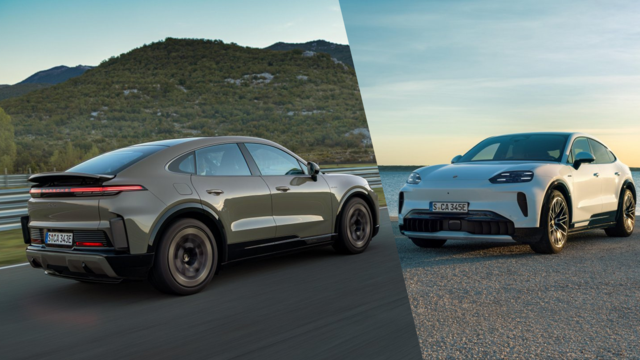
Porsche Reveals Coupe Variant of the Electric Cayenne With a Fresh Look
Verdad Gallardo
10 Porsche Colors That Have More Personality Than Most People
Verdad Gallardo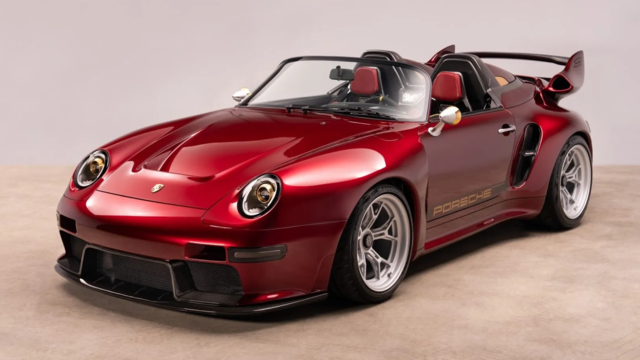
Guntherwerks' Final Speedster Creation Is the Ultimate Porsche Restomod
Verdad Gallardo
10 Reasons I Hate Going to the Porsche Dealership (& the 1 Reason I Stay)
Joe Kucinski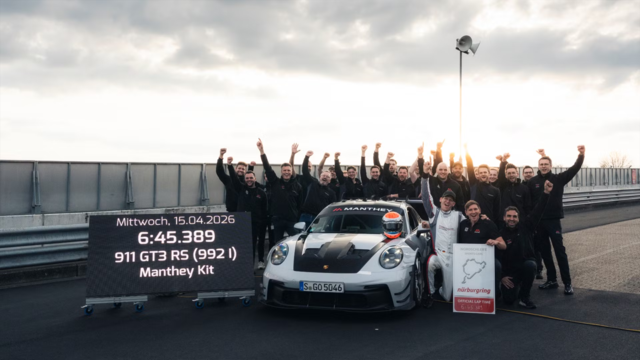
Porsche Shakes Up The Nürburgring Lap Record Table Once Again
Verdad Gallardo
6 Ways the Porsche 911 GT3 S/C Redefines Performance
Joe Kucinski
10 Wildest Homologation Specials Porsche Ever Sold
Verdad Gallardo
Super Rare RUF BTR III Comes Out of Hibernation, Looking For a New Home
Verdad Gallardo
10 Porsche Opinions That Can Start a Fight
Joe Kucinski
Instructor
Joined: May 2010
Posts: 129
Likes: 0
From: SEATTLE OR BUST

Burning Brakes

Joined: Aug 2010
Posts: 766
Likes: 54
From: South Shore, MA
Rennlist Member
Joined: Oct 2004
Posts: 4,987
Likes: 14
From: In a tizzy
A more important question...
Do you set your side view mirrors so you see down the side of your car, or our farther so you have almost no blind spots? Example: for the driver's side you lean your head over against the window, then set the mirror to see down the side of the car. This way as cars pass and leave the rear view mirror, they immediately appear in the side view mirror, and as the continue to pass as they move out of the side view mirror they move into your peripheral vision.
Do you set your side view mirrors so you see down the side of your car, or our farther so you have almost no blind spots? Example: for the driver's side you lean your head over against the window, then set the mirror to see down the side of the car. This way as cars pass and leave the rear view mirror, they immediately appear in the side view mirror, and as the continue to pass as they move out of the side view mirror they move into your peripheral vision.

Thread Starter
Rennlist Member
Joined: Mar 2007
Posts: 837
Likes: 1
From: In traffic
the GTS mirrors are like that as well.....
initially the 928 only had the driver side rearview (see production # 7 thread) mostly for improving aerodynamics and a cleaner appearance...some old benzes were like this as well...its more of a necessity for the driver to have a mirror for the objects that are at a sharper angle over his left shoulder; its less of a necessity to have a mirror on the passenger side, over ones right shoulder, because you have a wide view out of the windows on that side of the car.....
the rearview mirrors in 90% of all cars have different degrees of convexity, the driver side is more of a 'directly behind' view, wheras the passenger side is of wider angle, due to the fact that you are viewing it from farther away, and ideally want to see a wider scope of the road (objects in mirror are being passed faster than they appear)........for this reason, the mirror doesnt need to stick out from the car as much, and can afford to hug the body more ....and sports car such as ours benefit from having as little as possible outside of the body for less drag
( i obviously have too much spare time today)
initially the 928 only had the driver side rearview (see production # 7 thread) mostly for improving aerodynamics and a cleaner appearance...some old benzes were like this as well...its more of a necessity for the driver to have a mirror for the objects that are at a sharper angle over his left shoulder; its less of a necessity to have a mirror on the passenger side, over ones right shoulder, because you have a wide view out of the windows on that side of the car.....
the rearview mirrors in 90% of all cars have different degrees of convexity, the driver side is more of a 'directly behind' view, wheras the passenger side is of wider angle, due to the fact that you are viewing it from farther away, and ideally want to see a wider scope of the road (objects in mirror are being passed faster than they appear)........for this reason, the mirror doesnt need to stick out from the car as much, and can afford to hug the body more ....and sports car such as ours benefit from having as little as possible outside of the body for less drag
( i obviously have too much spare time today)
