When you click on links to various merchants on this site and make a purchase, this can result in this site earning a commission. Affiliate programs and affiliations include, but are not limited to, the eBay Partner Network.
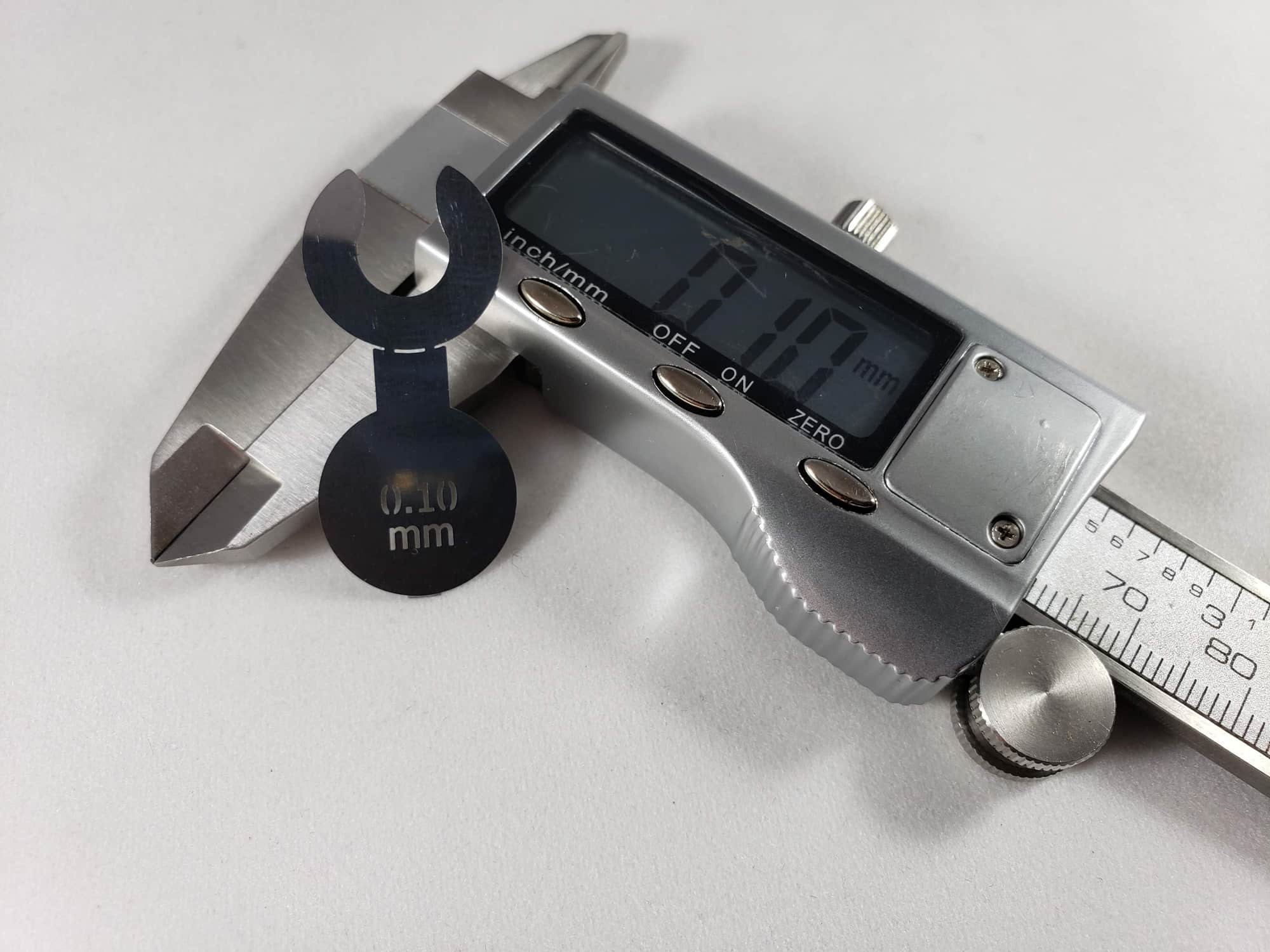
SNAPGAP is a new vendor member of the Rennlist Forum. This email is just to introduce us. We developed, patented and are selling a new method and tools to adjust valves in engines with shaft mounted rockers. Our first product line was developed specifically for air-cooled 911s and is available at SNAPGAP.US. At the site, you can click on a 3 minute animation video in the banner that explains “How and Why SNAPGAP Works.” There is also a 3 minute video demonstrating installation on a 911 engine.
SNAPGAP was developed to allow accurate, easy and fast valve adjustments with the engine in or out of the car. It is designed to eliminate the inaccuracies introduced by the “touch” needed for a good feeler gauge adjustment, the final tightening of the OEM jam nut and any wear “cupping” of the elephant’s foot or valve stem tip. The tools also allow you to get around most of the cramped conditions you would normally encounter, including intake valve #6 – which can be adjusted with one hand using SNAPGAP.
As with any new product, we expect and welcome comments and questions.
Thanks for your question. No, multiple tests have shown that once the collar is locked to the adjustment screw, it becomes one unit and does not turn or maladjust.
This is very clever, and eliminates the human shortcoming of not having three hands to adjust the valves on a 911! One question. How does the weight of the collar/hex screw compare with the weight of the OEM jamnut, and if it is more, is there any long-term detriment (excess wear?) to having that extra weight flying on the end of the adjustment screw?
Thanks for your comment raspritz. The OEM jam nut weighs 2.7 g. The SNAPGAP collar, shim and cap head screw total 6.1 g. In developing SNAPGAP, I read a lot of articles about the impact of increased weight on valve train components. I am sure others with more knowledge than I can provide additional input. However, this is what I have taken away from my reading. Most of the articles concern the desire to reduce weight in valve train components in drag racing engines where a premium is placed on reducing moment of inertia so as to achieve higher RPMs faster. Those engine builders are trying to balance the strength of components at 10,000 RPM vs. weight of rockers, valves and valve springs and push rod components vs. cost of titanium materials and so on. Wear from increased weight did not seem to be an issue. I could not find any information on the 911 set up where the shaft mounted rocker arm ends are not directly fighting gravity. All that said, at SNAPGAP we are testing prototype collars made of high strength aluminum rather than the spring steel we now use. The prototypes weigh in at about the same as the OEM jam nut.
RFP. Good thought. We considered that, however, Titanium is expensive and harder to tool. Honestly, unless you are cranking 10,000 RPM, I don't think the additional weight makes any difference. Spring steel give you the durability, spring to help keep the assembly together and return to shape the next go around and it expands and contracts the same as the other steel in valve train.
I understand. Personally, I would prefer the original steel over aluminum. For my street-driven '87, I don't think a couple more grams would make one tiny bit of difference. I am eager to talk to my local Porsche gurus (at Mayo Performance) to see if they know about this. They probably do!
Nice solution but it’s not difficult to adjust the valves accurate with a feeler gauge. I’m old school and strong believer in the KISS approach.
If you’re not comfortable to adjust your valves the old way, perhaps you should practice or have it done by someone who can do it. This is not rocket science!
This is little like the strong aftermarket valve covers that don't leak so easily. The original covers are fine if you tighten them with a torque wrench using quality gaskets. If you think you can evenly tighten by hand, you’re wrong.
I see quite a lot of clever solutions to non existing problems coming from the US. I realize that a Porsche is for most of us, me including, more than transportation so we overdo things.
Nice solution but it’s not difficult to adjust the valves accurate with a feeler gauge. I’m old school and strong believer in the KISS approach.
< snip >.
I'm going to have to respectfully disagree on this one. I too, like simplicity, and, in my view, this product, for a reasonable cost, reduces a 'fiddly' process to one of utter simplicity. In my nearly-eighty years, I've adjusted many a valve with feeler gauges... I would have loved to have this on every one of those
Nice solution but it’s not difficult to adjust the valves accurate with a feeler gauge. I’m old school and strong believer in the KISS approach.
If you’re not comfortable to adjust your valves the old way, perhaps you should practice or have it done by someone who can do it. This is not rocket science!
This is little like the strong aftermarket valve covers that don't leak so easily. The original covers are fine if you tighten them with a torque wrench using quality gaskets. If you think you can evenly tighten by hand, you’re wrong.
I see quite a lot of clever solutions to non existing problems coming from the US. I realize that a Porsche is for most of us, me including, more than transportation so we overdo things.
I agree. I would allow exceptions for owners over 75. Otherwise, Porsche Prison for the culprits.
Nice solution but it’s not difficult to adjust the valves accurate with a feeler gauge. I’m old school and strong believer in the KISS approach.
If you’re not comfortable to adjust your valves the old way, perhaps you should practice or have it done by someone who can do it. This is not rocket science!
This is little like the strong aftermarket valve covers that don't leak so easily. The original covers are fine if you tighten them with a torque wrench using quality gaskets. If you think you can evenly tighten by hand, you’re wrong.
I see quite a lot of clever solutions to non existing problems coming from the US. I realize that a Porsche is for most of us, me including, more than transportation so we overdo things.
Just curious have you ever checked your accuracy by measuring the gap after adjustment? I like the displayed accuracy in the snapgap video. This method seems to ensure accuracy. Manual adjustment with feeler gauge may or may not be done to the same level of accuracy. I am a fan of innovative new products. I am willing to accept advances in technology in all other areas of life. No reason to limit It on a classic 911.
9 Vehicles Porsche Helped Engineer that Aren't Porsches
Slideshow: Long before engineering consulting became trendy, Porsche was quietly helping other automakers build everything from supercars to economy hatchbacks.
9 Features and Characteristics That Only Porsche People Understand
Slideshow: Some brands build cars. Porsche builds traditions, obsessions, and a few habits that stopped making sense decades ago but somehow became part of the charm.
This Builder Is Turning Heads With Its Slantnose 911 Creation
Slideshow: A small Polish tuner has reimagined the Porsche 911 Slantnose for the modern era, blending 1980s nostalgia with widebody tuning culture and serious performance upgrades.
Porsche 911 GT3 Artisan Edition Pays Homage to Japanese Culture
Slideshow: Porsche has created a Japan-only 911 GT3 Artisan Edition that blends track-ready hardware with design cues inspired by traditional Japanese craftsmanship.
Porsche Reveals Coupe Variant of the Electric Cayenne With a Fresh Look
Slideshow: Porsche's latest electric Cayenne Coupe blends dramatic styling with supercar acceleration, turning the brand's midsize SUV into a 1,139-horsepower flagship.





 SNAPGAP - Valve Adjustment Solution