When you click on links to various merchants on this site and make a purchase, this can result in this site earning a commission. Affiliate programs and affiliations include, but are not limited to, the eBay Partner Network.
Any tips for installing harness for battery maintainer?
I'm probably overthinking this but I'm a bit paranoid about touching anything in the Cayenne's electrical system.
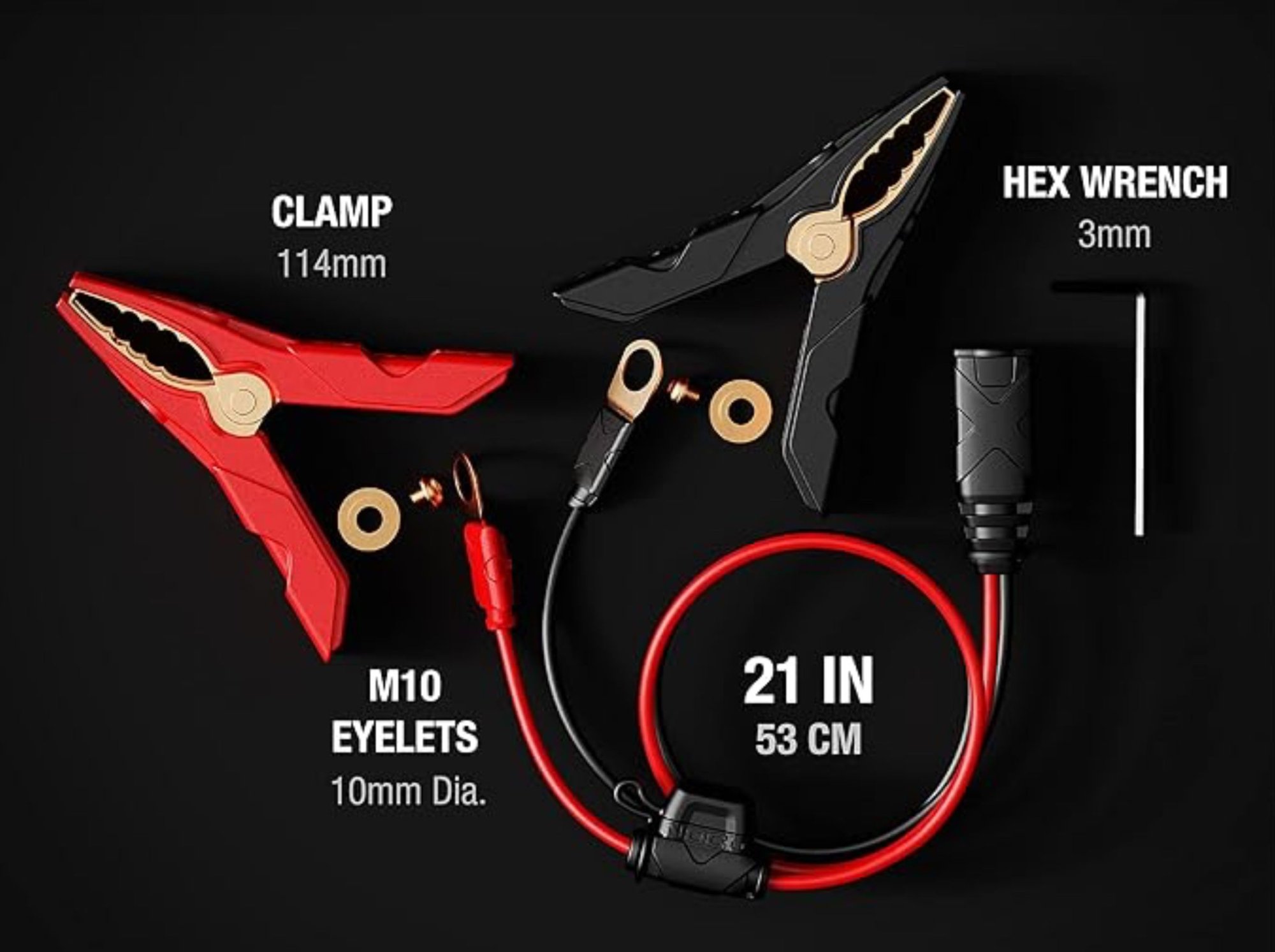
Last week I bought the Porsche Charge-o-mat Pro battery charger/maintainer and also a NOCO wiring harness that a Porsche dealership service writer recommended be permanently installed in the engine compartment.
I assume that installation is as simple as connecting the negative wire of the NOCO harness to the negative terminal in the engine compartment and then the positive wire to one of the bolts under the cover hiding the positive terminal. I guess I'll then zip tie the lead to the 12V port on the harness to one of the large electrical cables in the engine compartment so it won't rattle around much.
So ... is it as simple as this? Does anyone have recommendations for connecting and then routing the harness in a tidy manner and holding it in place so that the 12V port doesn't rattle much?
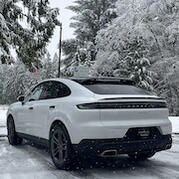
The attached images show the NOCO harness and where tentatively plan to connect it and route it. Thanks in advance for guidance!
I use similar harnesses on other vehicles for the Antigravity battery booster and NOCO Genius 10 battery charger — no issues.
I had a nice surprise when I was looking for a harness for my NOCO Genius — it comes equipped with dual purpose clamps. Just unscrew them from the clamps and connect the harness to the battery. Clever!
You don't have to go to that trouble. Under the hood on the passenger's side near the firewall you will see a positive post, covered by a red plastic cover, and a nearby negative post. When charging just run the wires through the hood near the windshield and use the clamps on the posts. Easy-peasy.
Thank you for the confirmation! Your input is very valuable. I had to attach the positive cable of the NOCO harness to the bolt with the plus mark on it due to space limitations Both the positive and negative "bolts" were barely more than hand tightened which seemed odd.
I'll jump right on that task after I get the Flux Capacitor working. Here's what the in-dash screen looked like in our Prius upon startup before I uninstalled it.
Originally Posted by golftime
You don't have to go to that trouble. Under the hood on the passenger's side near the firewall you will see a positive post, covered by a red plastic cover, and a nearby negative post. When charging just run the wires through the hood near the windshield and use the clamps on the posts. Easy-peasy.
Thanks but I find it preferable to plug the male 12V connector from the Charge-o-mat charger into the female 12V port on the NOCO harness instead of opening the red plastic cover each time and messing with alligator clamps. That way I don't have to worry about inadvertently getting the polarity wrong when I've had to many tequila shots. (Thirty-five years ago my so-called friends had a bar waitress bring a tray of one dozen tequila shots to me on my 29th birthday which, not knowing any better, I consumed posthaste. I don't remember the next 12 hours but unfortunately many other people did.)
Pretty sure he was kidding. But to answer your question, not really. Might be helpful during nuclear war or an extreme coronal ejection from the Sun. Best protection from EMP is to park inside a Faraday cage. But I’m guessing we’ll all have more important issues after a nuclear war. 🤪
The Carrington Event (coronal ejection) in 1859 caused telegraph lines to catch fire and the aurora was visible in El Salvador. https://earthsky.org/human-world/car...effects-today/
.
The electromagnetic pulse from a 1.4 Megaton bomb launched about 250 miles above Kansas would destroy most of the electronics that were not protected in the entire Continental United States. https://doh.wa.gov/sites/default/fil...lecpuls_fs.pdf
From: northwest US, but also victoria b.c. and nyc
Originally Posted by Silververtu
Is it even necessary?
I will probably install one, or another one similar. Do I sit around wringing my hands w worry? no. Do I like the idea of having my car remain operational after all 3 phases of an emp? yes. Plus i think it is generally good to raise awareness on that front. EMP can come without the catastrophe of a bomb. It would be fun to see a bunch of operational porsches should an emp occur. it’s a fairly cheap practical novelty. I also have a generator and an arb air compressor - hopefully I never really need either, but they have come in handy more than once or twice 😊
@Woofman it will be interesting to see how well this connection works. I had inconsistent results using the Porsche alligator clips under the hood with the Porsche charger. I think it’s a problem with the 12v connection vs the clips. I now use the 12v socket inside the car. Under the hood is preferred especially if the charger can be hooked up without having to run the car 1st.
Pretty sure he was kidding. But to answer your question, not really. Might be helpful during nuclear war or an extreme coronal ejection from the Sun. Best protection from EMP is to park inside a Faraday cage. But I’m guessing we’ll all have more important issues after a nuclear war. 🤪
The Carrington Event (coronal ejection) in 1859 caused telegraph lines to catch fire and the aurora was visible in El Salvador. https://earthsky.org/human-world/car...effects-today/
.
The electromagnetic pulse from a 1.4 Megaton bomb launched about 250 miles above Kansas would destroy most of the electronics that were not protected in the entire Continental United States. https://doh.wa.gov/sites/default/fil...lecpuls_fs.pdf
I know he's kidding but thanks for the clarification!!!! My first thought was one of those clean current surges for high end hi-fi.
@Woofman it will be interesting to see how well this connection works. I had inconsistent results using the Porsche alligator clips under the hood with the Porsche charger. I think it’s a problem with the 12v connection vs the clips. I now use the 12v socket inside the car. Under the hood is preferred especially if the charger can be hooked up without having to run the car 1st.
After connecting the Charge-o-mat to the engine compartment 12V port this morning for the first time, it has started working its way through the four charging stage indicator lights although I'm surprised that it is in only the second stage after 45 minutes since the Cayenne has been driven most days lately although sometimes only a few miles. At this rate, I wonder how long it will take to get to the 4th stage which is "maintenance". There had been a warning in My Porsche that the battery (it's AGM) required replacement but I disabled that warning after my service advisor told me last week to ignore it. The AGM battery is the original from the May 2022 build.
A potential issue is that the one electrical outlet in our diminutive garage is on the same ground fault indicator circuit as the bathrooms and very occasionally gets "tripped" for unknown reasons requiring a breaker to be reset. If we don't get a house sitter when we're gone for an extended period later this year, I'll need to have someone occasionally check that the circuit is still on.
.
Last edited by Woofman; Feb 1, 2024 at 12:22 PM.
Reason: Thought I'd try English!
After connecting the Charge-o-mat to the engine compartment 12V port this morning for the first time, it has started working its way through the four charging stage indicator lights although I'm surprised that it is in only the second stage after 45 minutes since the Cayenne has been driven most days lately although sometimes only a few miles. At this rate, I wonder how long it will take to get to the 4th stage which is "maintenance". There had been a warning in My Porsche that the battery (it's AGM) required replacement but I disabled that warning after my service advisor told me last week to ignore it. The AGM battery is the original from the May 2022 build.
A potential issue is that the one electrical outlet in our diminutive garage is on the same ground fault indicator circuit as the bathrooms and very occasionally gets "tripped" for unknown reasons requiring a breaker to be reset. If we don't get a house sitter when we're gone for an extended period later this year, I'll need to have someone occasionally check that the circuit is still on.
.
During the charging profiles on some Chargers they rest for up to 30 mins and see if the voltage goes down quickly or not, this is a way to tell if the battery is not accepting the charger well, this is just part of the charging profile they designed in some chargers so it could be that. Additionally during charging it is not always the same current and voltage during the entire charge... for example the Current and Voltage will change depending on the step of the Charging cycle it is on... usually during the end of charge the current starts dropping a bit as voltage is rising. Also sometimes Chargers can take over a day to get a full charge back on a battery though usually it is over night. The charge rate on the 4-Amp Chargers of any brand are not a higher current so they are not fast really. Those are a few points to consider as why it is taking long, but also we have also seen the CTEK occaisionally get stuck at a certain step or never going fully green, it just happens sometimes. So maybe unplug then plug in again if it stays at that step over a few hours.
Yes I know you said you car is driven often, which should make it actually charge faster being blunt, but as I said at higher voltages the current from the Charger will go down to sometimes 1 amp so it still might seem like its charging slowly.





 Any tips for installing harness for battery maintainer?







 Here's what the in-dash screen looked like in our Prius upon startup before I uninstalled it.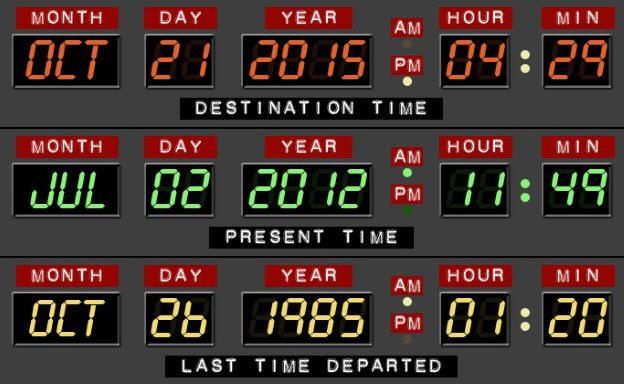
 (Thirty-five years ago my so-called friends had a bar waitress bring a tray of one dozen tequila shots to me on my 29th birthday which, not knowing any better, I consumed posthaste. I don't remember the next 12 hours but unfortunately many other people did.)