







Why Drive Your Car?

Thread Starter
Instructor

Joined: May 2010
Posts: 184
Likes: 1
From: Sunny South Florida
 Why Drive Your Car?
I've read some anecdotal comments from those who:
1) suggest that people who have a low-mileage car should drive their car more because "these cars like to be driven;" and/or
2) advocate driving in a spirited manner because "it's good for your car." I let my friend drive my car recently and after a spirited drive he said, "It's good to blow the carbon out now and then."
From a strictly engineering standpoint, exactly how does continuing to drive the car after the engine reaches the normal operating temperature benefit the car? BTW, I'm not referring to any side benefits, such as keeping the gas in the gas tank from going stale, or getting maximum value out of components (spark plugs, oil, tires, serpentine belt, etc.) before an age-induced replacement. I'm also not referring to the very important enjoyment the driver might get.
It seems to me that, again from an engineering standpoint, once the engine reaches normal operating temperature any additional driving just causes wear and doesn't prolong engine life.
I'd be interested in hearing from those with an engineering background.
1) suggest that people who have a low-mileage car should drive their car more because "these cars like to be driven;" and/or
2) advocate driving in a spirited manner because "it's good for your car." I let my friend drive my car recently and after a spirited drive he said, "It's good to blow the carbon out now and then."
From a strictly engineering standpoint, exactly how does continuing to drive the car after the engine reaches the normal operating temperature benefit the car? BTW, I'm not referring to any side benefits, such as keeping the gas in the gas tank from going stale, or getting maximum value out of components (spark plugs, oil, tires, serpentine belt, etc.) before an age-induced replacement. I'm also not referring to the very important enjoyment the driver might get.
It seems to me that, again from an engineering standpoint, once the engine reaches normal operating temperature any additional driving just causes wear and doesn't prolong engine life.
I'd be interested in hearing from those with an engineering background.
Three Wheelin'
Joined: Jul 2007
Posts: 1,649
Likes: 96
From: NJ
I am not an automotive engineer but have a degree in engineering. Cars are not living things. They do not repair or rebuild themselves. The more they are used, the more they wear. This is a fact. Theoretically, a car not used for an extended period of time, may lose the protection of renewd oil film on some metallic surfaces but this would require an extended lack osf use. Also, there are so many additives in the oil that the metal protection from any film clinging to parts would be effective. As far as rubber seals are concerned some could lose plasticization but that would again require an extended lack of use ( years) and depends on the type of rubber. The rubber used for engine seals is much more expensive than the rubber used for tires or hoses. Blowing out carbon? Maybe but not from the engine. Perhaps from the exhaust. Also, any carbon buildup is from running the engine not from storing it.
I believe one should drive the car to get what they paid for....
I believe one should drive the car to get what they paid for....
Pro
Joined: Jul 2006
Posts: 558
Likes: 8
From: Northern New Jersey
I would say that if your wanted to preserve the car as a museum piece or time or for a time capsule i suppose your can use it sparingly maybe 10 miles a week or so and it would be fine for preservation purposes and limit wear on the motor. Im sure that owners/caretakers of vintage Bugattis, and Duesenburgs in private collections do this.
Now im not an engineer but from my understanding one potential benefit of driving it hard its that the higher oil pressures gets oil into the micro small parts of the motor/seals that routine driving doesnt do as well. I have read on this forum that cars not driven hard occasionally/often have higher risk of RMS/IMS failures but i cant validate that.
Now im not an engineer but from my understanding one potential benefit of driving it hard its that the higher oil pressures gets oil into the micro small parts of the motor/seals that routine driving doesnt do as well. I have read on this forum that cars not driven hard occasionally/often have higher risk of RMS/IMS failures but i cant validate that.
Drifting

Joined: May 2004
Posts: 2,350
Likes: 2
From: Middle Missouri
I wish I drove it more, but weather conditions (hail in the spring)( slush and deep snow in the winter) and bad parking conditions at work, and a very short commute, keep me from driving it everyday.

Rennlist Member
Joined: May 2001
Posts: 2,344
Likes: 631
From: Los Angeles
All machines theoretically have a finite life.
While some cars are merely tools of transportation (work trucks, mini vans, etc.), a Porsche, as I see it, is for enjoyment.
And, sure, every mile does potentially diminish the car's value, bringing it closer to the end of its usefulness, but why worry about that?
Drive it. Care for it. Enjoy it.
While some cars are merely tools of transportation (work trucks, mini vans, etc.), a Porsche, as I see it, is for enjoyment.
And, sure, every mile does potentially diminish the car's value, bringing it closer to the end of its usefulness, but why worry about that?
Drive it. Care for it. Enjoy it.
Trending Topics
Rennlist Stories
The Best Porsche Posts for Porsche Enthusiasts
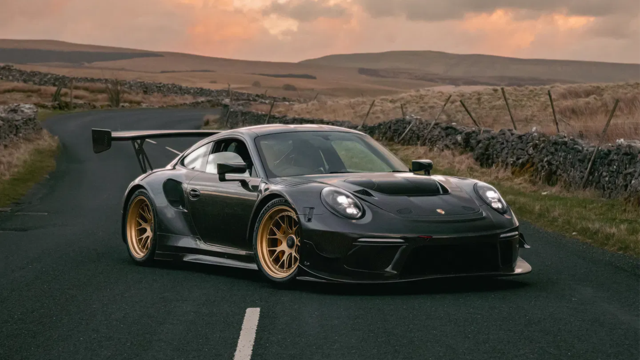
Talos Takes Your 991 Porsche 911 GT3 to the Next Level for a Cool $1.13 Million
Verdad Gallardo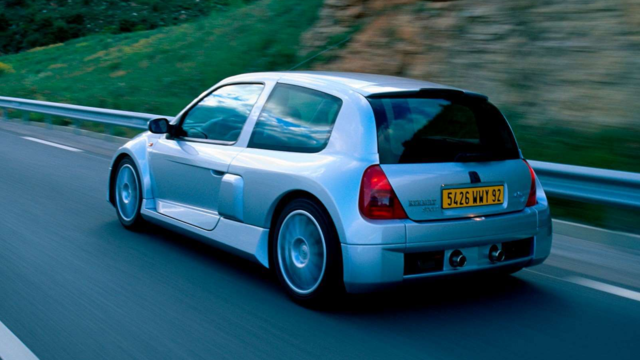
9 Vehicles Porsche Helped Engineer that Aren't Porsches
Verdad Gallardo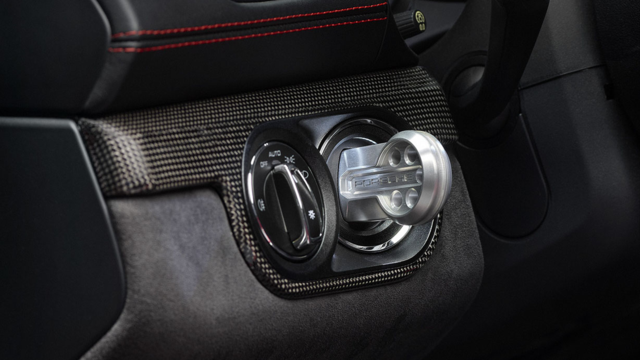
9 Features and Characteristics That Only Porsche People Understand
Verdad Gallardo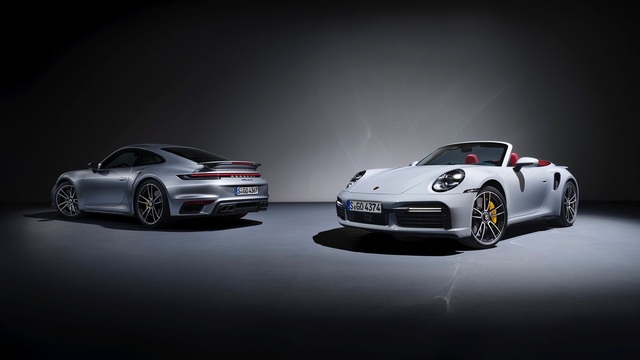
I've Written 500 Rennlist Articles: Here's How Porsche Has Changed Along the Way
Joe Kucinski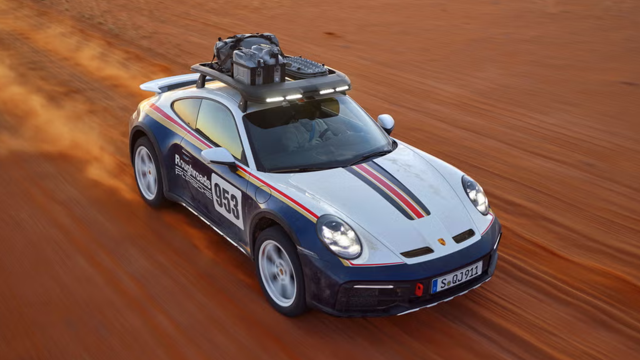
10 Most Unnecessary Porsches Ever Built (And Why We Love Them)
Verdad Gallardo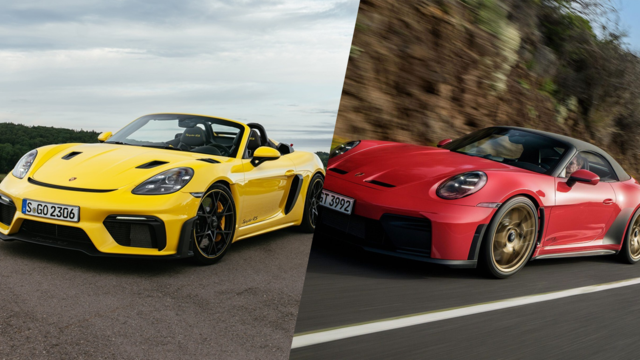
Porsche 911 GT3 S/C vs 718 Spyder RS: 10 Categories, One Winner
Joe Kucinski
This Builder Is Turning Heads With Its Slantnose 911 Creation
Verdad Gallardo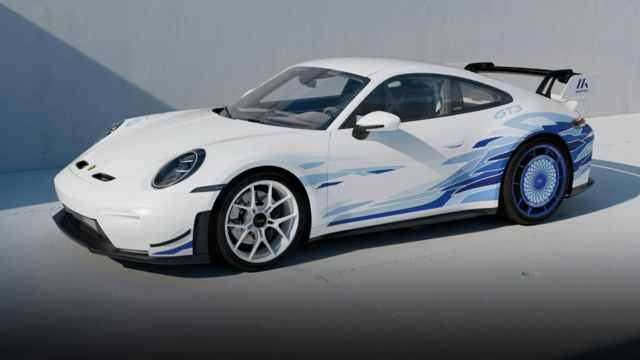
Porsche 911 GT3 Artisan Edition Pays Homage to Japanese Culture
Verdad Gallardo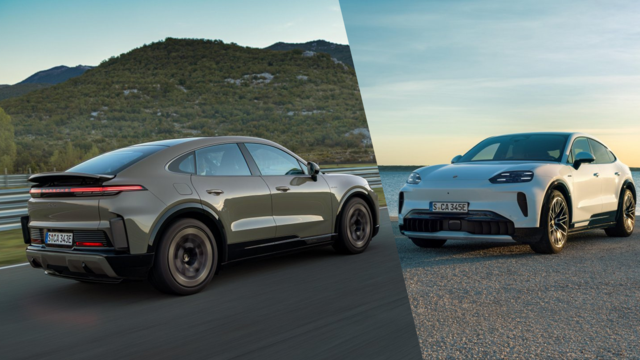
Porsche Reveals Coupe Variant of the Electric Cayenne With a Fresh Look
Verdad Gallardo
Burning Brakes
Joined: Dec 2008
Posts: 1,062
Likes: 3
From: Ocala, FL

Rennlist Member
Joined: Aug 2003
Posts: 2,888
Likes: 119
From: Canada

You guys are thinking too much. It is just a car, not your wife. Drive it when you want to. You`re going to own too many cars in your lifetime you will lose count anyway.
Poseur
Rennlist Member
Rennlist Member


Joined: Nov 2005
Posts: 17,743
Likes: 294
From: Santa Barbara, CA
You spent your money on a non-investment object--a car. It is for your enjoyment. If you don't drive it, then you are denying yourself the opportunity to enjoy it. Buying a Porsche isn't a normal rational decision--it's not made from your wallet, but from your heart. That being so, don't get so obsessed with the esoteric issues of oil and rubber wear and breakdown, but focus upon the fun and enjoyment aspects. If I did the math with respect to what my per mile cost was I might be afraid to take the car out! Way too many new Porsche drivers finally get around to justifying the purchase of the car but then fail on the second step--to actually use it.
So long as there are those sorts of Porsches owners many who wait to buy their Porsches used benefit immensely from this behavior.
So long as there are those sorts of Porsches owners many who wait to buy their Porsches used benefit immensely from this behavior.


Rennlist Member
Joined: Nov 2002
Posts: 5,772
Likes: 338
From: Everywhere
When I sold my 1996 C4S I calculated that my cost to drive during my ownership was $5 per mile. That did not include maintenance.
When I sold my 2004 40th Anniversary 996 I calculated that my total cost to drive the car during my ownership was over $10 per mile (I forget the exact number)....yes....$10 per mile. That did not include maintenance. It did include insurance, taxes, and the delta between purchase and selling price.
I am looking at a used 997 now. I resolved that I will NEVER again own a car that I spend more time cleaning and admiring than driving. The 997 I buy will be a daily driver....and I intend to drive the **** out of it. These are cars...they make a ton of them...and mine will be used. I learned my lesson the hard way.
When I sold my 2004 40th Anniversary 996 I calculated that my total cost to drive the car during my ownership was over $10 per mile (I forget the exact number)....yes....$10 per mile. That did not include maintenance. It did include insurance, taxes, and the delta between purchase and selling price.
I am looking at a used 997 now. I resolved that I will NEVER again own a car that I spend more time cleaning and admiring than driving. The 997 I buy will be a daily driver....and I intend to drive the **** out of it. These are cars...they make a ton of them...and mine will be used. I learned my lesson the hard way.
Pro
Joined: May 2005
Posts: 540
Likes: 1

Nordschleife Master
Joined: Mar 2004
Posts: 8,391
Likes: 449
From: Southwest
Cars who sit a lot develop oil leaks and other ills. Mechanical things should run periodically or they deteriorate. Of course they wear out with use, but they degrade more if they sit. Why own a car if you do not drive it?
Some people buy cars and store them, hoping that they will appreciate (not the case with 997s BTW). That may happen for some rare models, but those are not 'cars'. They are static museum pieces. And they degrade. I know about non-driven cars who need annual, expensive, maintenance.
Another item... on the secondary market it is better to buy a 4yo 997 with 25k miles than a garage queen with 4k miles. The first is a broken-in warranty-proven-fixed car. The second is n0n-broken-in, warranty-wasted car.
To the OP's question re driving time: What is driving to op temp? 10 miles? I do not think so. ICEs like to be temp cycled, and a short drive does not do it. Boxer engines in particular do benefit from long temp cycles and high revving runs. M96/M97 empirical repair data shows that RMS/IMS failures are more prevalent in garage queens and slow-speed driven cars... Porsches in Germany are routinely driven past 200k miles without engine issues.
Some people buy cars and store them, hoping that they will appreciate (not the case with 997s BTW). That may happen for some rare models, but those are not 'cars'. They are static museum pieces. And they degrade. I know about non-driven cars who need annual, expensive, maintenance.
Another item... on the secondary market it is better to buy a 4yo 997 with 25k miles than a garage queen with 4k miles. The first is a broken-in warranty-proven-fixed car. The second is n0n-broken-in, warranty-wasted car.
To the OP's question re driving time: What is driving to op temp? 10 miles? I do not think so. ICEs like to be temp cycled, and a short drive does not do it. Boxer engines in particular do benefit from long temp cycles and high revving runs. M96/M97 empirical repair data shows that RMS/IMS failures are more prevalent in garage queens and slow-speed driven cars... Porsches in Germany are routinely driven past 200k miles without engine issues.