When you click on links to various merchants on this site and make a purchase, this can result in this site earning a commission. Affiliate programs and affiliations include, but are not limited to, the eBay Partner Network.
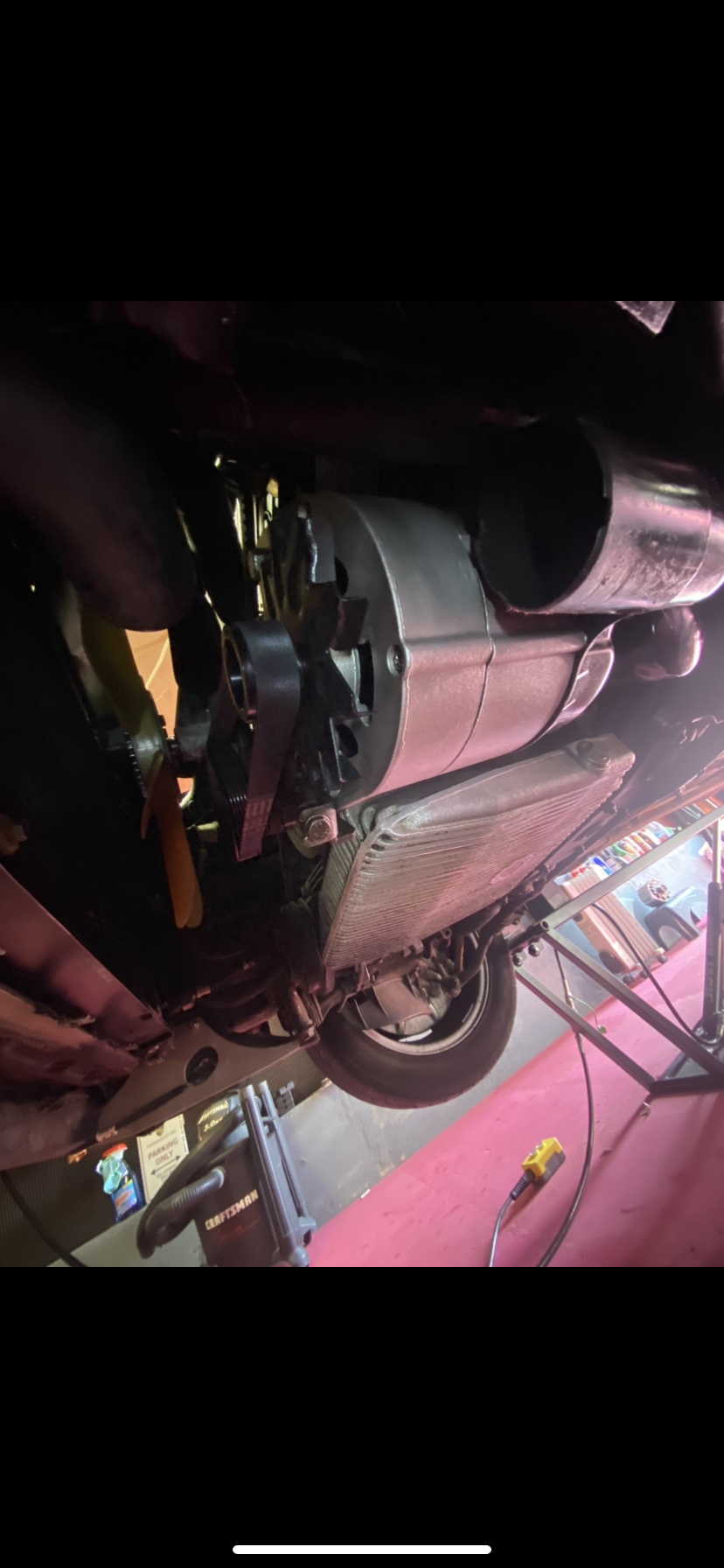
I recently had a spare stock alternator rebuild and upgraded to 150 amp.
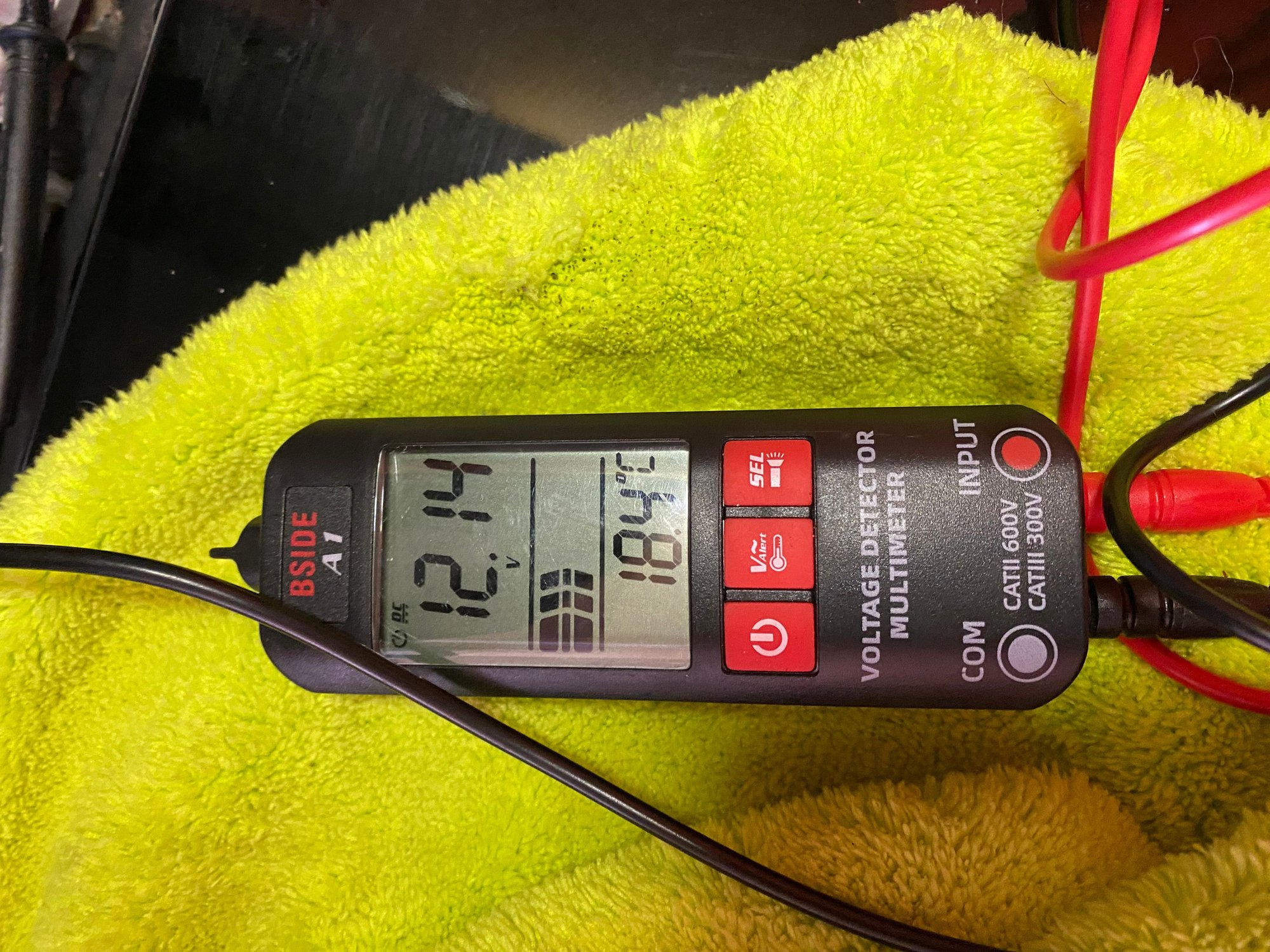
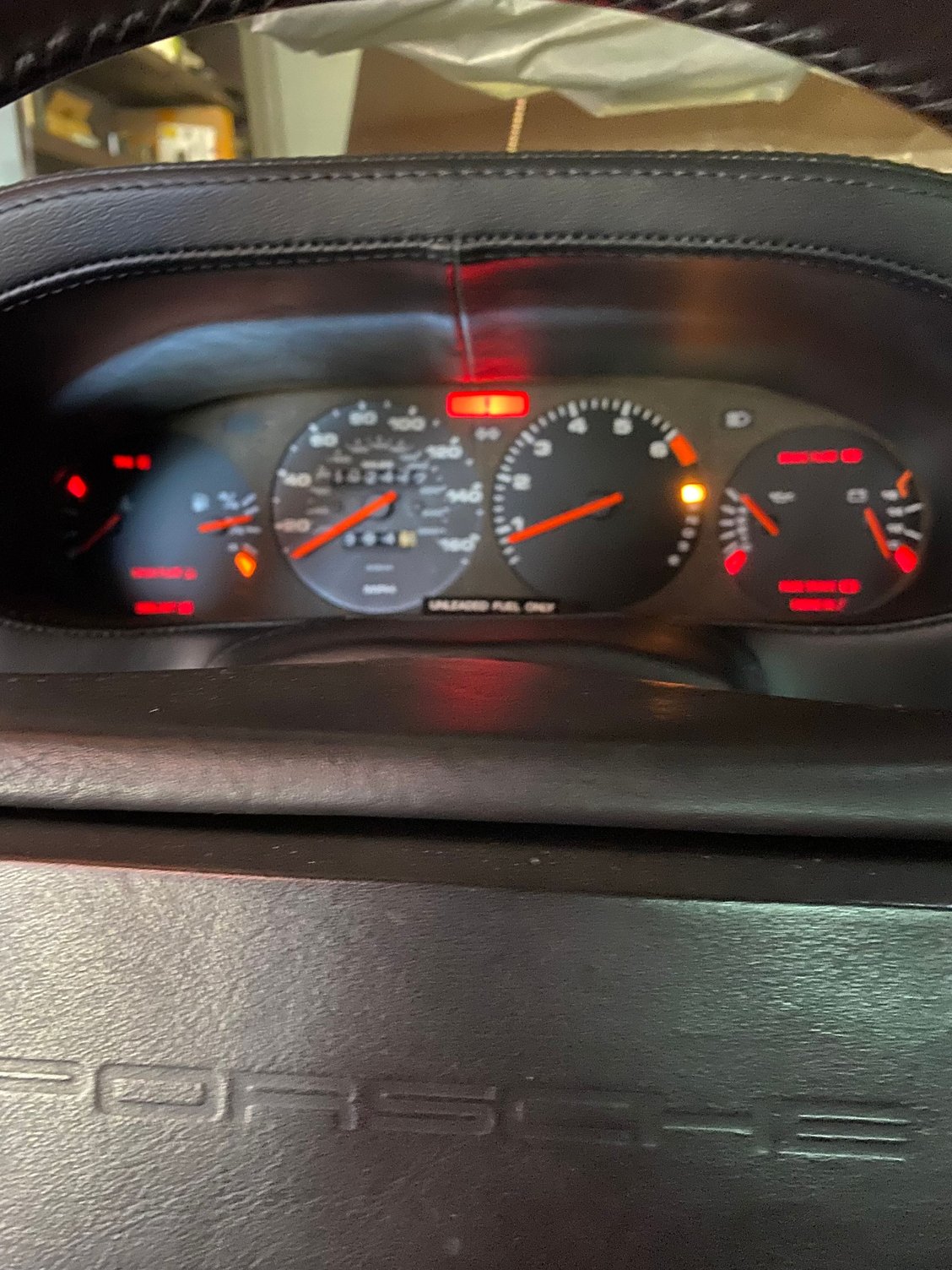
After I installed it in my 85 US S3 all the warning lights stayed on and I was only getting 12.14 volts at the jump post.
My stock alternator was giving me over 14 at the jump post.
When I reached out to the company that rebuilt it they responded below
Upgrade the cable going from your alternator over to your battery to be able to handle the higher amperage flow. Your alternator which is now capable of producing more amperage may be restricted by the size of the cable your stock setup had.
has anyone had this situation?
Last edited by PC-85-928S; Mar 19, 2024 at 08:35 AM.
Lol, Seem like the Alt is dead or improperly connected. Make sure the field wire is connected properly and check the voltage at the back of the alternator while running. If your ears are good you can 'hear' an alternator when it's working properly, they have a noticeable ring or resonance to them when functioning properly.
It's true that a faulty wire from the alt to the jump post is common and can and will reduce voltage especially if its old and internally corroded from wicking road moisture from the ends. You can simply check the voltage at the back of the alternator for a proper reading. The voltage drop or difference in voltage from the back of the alt to jump post will tell you what you need to know about the condition of that wire. A voltage delta of 0.2V would be good and 0.5V under load would be the maximum acceptable for good performance. You should have something like 13.8 to 14.2 volts at the back of the Alt 13.6 to 14.1 at the jump post. This is how you quantify the condtion of the wire. Tryng to push more current through a faulty wire will only produce heat. These alternator wires do age out, I've seen it on many vehicles. This usually present as good voltage when cold but as the wire heats up and more current is required the voltage will drop quickly. This scenario often is mis-understood and diagnosed incorrectly as the alternator being defectve or inaddequite. Same check needs to be done for the ground strap, Take a readng from the block and then to the chassis any differance under load wll tell you the condtional of the ground strap.
Upgraded alternators are a bit of a scam. An alternator's output is largely a functon of physical construction and RPM... for example coil winding size and clearances. Many of these upgraded Alts have nothing more than up-rated diodes that are slightly more efficient than what was avalable in the past. That differance is small though perhaps 5% or 5 AMPs at speed and maybe 1 or 2 amps at idle. The claimed 50 to 100 AMP up-rating is just a bold lie. Modern Alts can produce very high current at lower RPM's and do it effciently. These newer alts can do this becasue they have precise and optimized robotic windings and ultra tight clearances that an older alt can never have.
I'm a fan of the Ford 3G alternator upgrade. Not becasue the 928 Alt is inaddequite, its not but the Ford alt is modern and more efficient so it can make more current at idle than the 928 unit by far. The Ford unit is also lighter and has a larger diameter puley so it spins at a lower RPM and thats far easier on the belt when shifting.
Last edited by icsamerica; Mar 19, 2024 at 03:49 PM.
That's exactly what I was told by a local Bosch electric shop that runs ads in our SEMPCA monthly. They stated that they could not upgrade the output and given the size of the pulley it couldn't go smaller and it would over spin at speed if they could.
I opted for GB's custom Alt, and then did the "standard" rebuild on the stock unit ~150 bucks. I've also looked at the Ford option and may try it someday however the correct unit was not available when I needed it.
I see from the Pic posted the volt gauge shows as "in op" and the engine is running.
I did the Delco CS-130 conversion on my Euro 1983 928s. Super easy and you just need a thick washer or a few thinner to make it fit. The original tensioner and bolts are also useable. I removed the delco pulleywheel and used the original smaller multirib pulleywheel. Charging perfectly in idle etc.
Lol, Seem like the Alt is dead or improperly connected. Make sure the field wire is connected properly and check the voltage at the back of the alternator while running. If your ears are good you can 'hear' an alternator when it's working properly, they have a noticeable ring or resonance to them when functioning properly.
It's true that a faulty wire from the alt to the jump post is common and can and will reduce voltage especially if its old and internally corroded from wicking road moisture from the ends. You can simply check the voltage at the back of the alternator for a proper reading. The voltage drop or difference in voltage from the back of the alt to jump post will tell you what you need to know about the condition of that wire. A voltage delta of 0.2V would be good and 0.5V under load would be the maximum acceptable for good performance. You should have something like 13.8 to 14.2 volts at the back of the Alt 13.6 to 14.1 at the jump post. This is how you quantify the condtion of the wire. Tryng to push more current through a faulty wire will only produce heat. These alternator wires do age out, I've seen it on many vehicles. This usually present as good voltage when cold but as the wire heats up and more current is required the voltage will drop quickly. This scenario often is mis-understood and diagnosed incorrectly as the alternator being defectve or inaddequite. Same check needs to be done for the ground strap, Take a readng from the block and then to the chassis any differance under load wll tell you the condtional of the ground strap.
Upgraded alternators are a bit of a scam. An alternator's output is largely a functon of physical construction and RPM... for example coil winding size and clearances. Many of these upgraded Alts have nothing more than up-rated diodes that are slightly more efficient than what was avalable in the past. That differance is small though perhaps 5% or 5 AMPs at speed and maybe 1 or 2 amps at idle. The claimed 50 to 100 AMP up-rating is just a bold lie. Modern Alts can produce very high current at lower RPM's and do it effciently. These newer alts can do this becasue they have precise and optimized robotic windings and ultra tight clearances that an older alt can never have.
I'm a fan of the Ford 3G alternator upgrade. Not becasue the 928 Alt is inaddequite, its not but the Ford alt is modern and more efficient so it can make more current at idle than the 928 unit by far. The Ford unit is also lighter and has a larger diameter puley so it spins at a lower RPM and thats far easier on the belt when shifting.
I don't agree with some things in this inlay. But I think we would stray away from the original threadstarters question if we go into this. Instead I will leave a link to a beginners article with basic alternator upgrade info and such...;
9 Vehicles Porsche Helped Engineer that Aren't Porsches
Slideshow: Long before engineering consulting became trendy, Porsche was quietly helping other automakers build everything from supercars to economy hatchbacks.
9 Features and Characteristics That Only Porsche People Understand
Slideshow: Some brands build cars. Porsche builds traditions, obsessions, and a few habits that stopped making sense decades ago but somehow became part of the charm.
This Builder Is Turning Heads With Its Slantnose 911 Creation
Slideshow: A small Polish tuner has reimagined the Porsche 911 Slantnose for the modern era, blending 1980s nostalgia with widebody tuning culture and serious performance upgrades.
Porsche 911 GT3 Artisan Edition Pays Homage to Japanese Culture
Slideshow: Porsche has created a Japan-only 911 GT3 Artisan Edition that blends track-ready hardware with design cues inspired by traditional Japanese craftsmanship.
Porsche Reveals Coupe Variant of the Electric Cayenne With a Fresh Look
Slideshow: Porsche's latest electric Cayenne Coupe blends dramatic styling with supercar acceleration, turning the brand's midsize SUV into a 1,139-horsepower flagship.





 150 amp alternator