
ZR rated tires question

Thread Starter
Instructor
Joined: Nov 2004
Posts: 115
Likes: 0
From: Michigan, U.S.A.
 ZR rated tires question
Hey everyone.
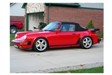
Do all brands of "ZR" rated tires have the same side wall strength? Is there a standard in the industry that all or most manufacturers go by when producing these rated tires. Why you may ask? I recently changed the brand of ZR rated tires on the rear of my '86 and I would swear that it feels noticably "fishy or loose" at the back end. Now, my car is lowered (and has been) to euro specs and I have gotten no rubbing but it just seems a bit loose. Old tires as well as new...255/45 ZR17. Call me crazy but could it be the side wall strength?? Could the new rear be showcasing another problem??? Hey Pete, any ideas. Anyone with some ideas...please chime in. I'll let you in on the brand changes if needed after some dialogue begins. Thanks guys.
Real
Do all brands of "ZR" rated tires have the same side wall strength? Is there a standard in the industry that all or most manufacturers go by when producing these rated tires. Why you may ask? I recently changed the brand of ZR rated tires on the rear of my '86 and I would swear that it feels noticably "fishy or loose" at the back end. Now, my car is lowered (and has been) to euro specs and I have gotten no rubbing but it just seems a bit loose. Old tires as well as new...255/45 ZR17. Call me crazy but could it be the side wall strength?? Could the new rear be showcasing another problem??? Hey Pete, any ideas. Anyone with some ideas...please chime in. I'll let you in on the brand changes if needed after some dialogue begins. Thanks guys.
Real
Track Day
Joined: Jul 2006
Posts: 23
Likes: 0
From: 911... someday soon
There is a break in period on tires, granted its just a few miles.. how long have they been on? Maybe you need to run a different pressure on them? Does it feel like they are rolling over the rim? Maybe you need a bit more pressure. ZR tires can have different compounds, i.e. treadwear ratings. What kind of tire are they?
Team Owner

Joined: Aug 2005
Posts: 28,478
Likes: 1,632
From: Cambridge Ontario Canada
Also remember new tires have the full tread block , any racer who runs with shaved tires will tell you the steering response is better once the block has worn down . Tirerack has a good write up on this subject ( tire break in )

RL Technical Advisor
Joined: May 2001
Posts: 11,870
Likes: 75
From: Portland Oregon
Real:
911's are quite sensitive about tires due to the car's weight distribution & dynamics.
I've always had problems with having two different brands and/or model tires on each end of the car and I'd strongly recommend that you run matched tires, even if the fronts are still in good shape. The car will not handle right until you do,...........
Bet you lunch that installing the same brand and model of tire will fix your woes,...
911's are quite sensitive about tires due to the car's weight distribution & dynamics.
I've always had problems with having two different brands and/or model tires on each end of the car and I'd strongly recommend that you run matched tires, even if the fronts are still in good shape. The car will not handle right until you do,...........
Bet you lunch that installing the same brand and model of tire will fix your woes,...

Burning Brakes
Joined: Feb 2005
Posts: 761
Likes: 1
From: St.Petersburg, Florida
I agree with the matched tires. I recently had to replace the rears on my SC track car, and everyone I talked to said replace all 4 if I wanted a different brand, or match the rears to the fronts if I only replaced the rears. The Tire Rack was able to find a pair of rears which I put on. The "break-in" period was 500 miles to "scuff" them in, get rid of the mold release material, etc. I went out of my way to drive extra miles, as I had a DE at Sebring that next weekend. I noticed a significant difference in the feel of the car at track speeds with the deeper tread on the rears. I could feel the "squishiness" of the rear tire's tread depth in all of the braking zones, turn-in, and track-out. In short, the car felt noticeably more unbalanced at the rear.