When you click on links to various merchants on this site and make a purchase, this can result in this site earning a commission. Affiliate programs and affiliations include, but are not limited to, the eBay Partner Network.
I am pretty surprised that Porsche offers you a self tapping screw as a 'solution' to mounting the license plate. It's neither pretty, nor durable a solution.
After researching better ways, I thought I'd post what I ended up doing in hopes it makes it easier for others to solve their own situation.
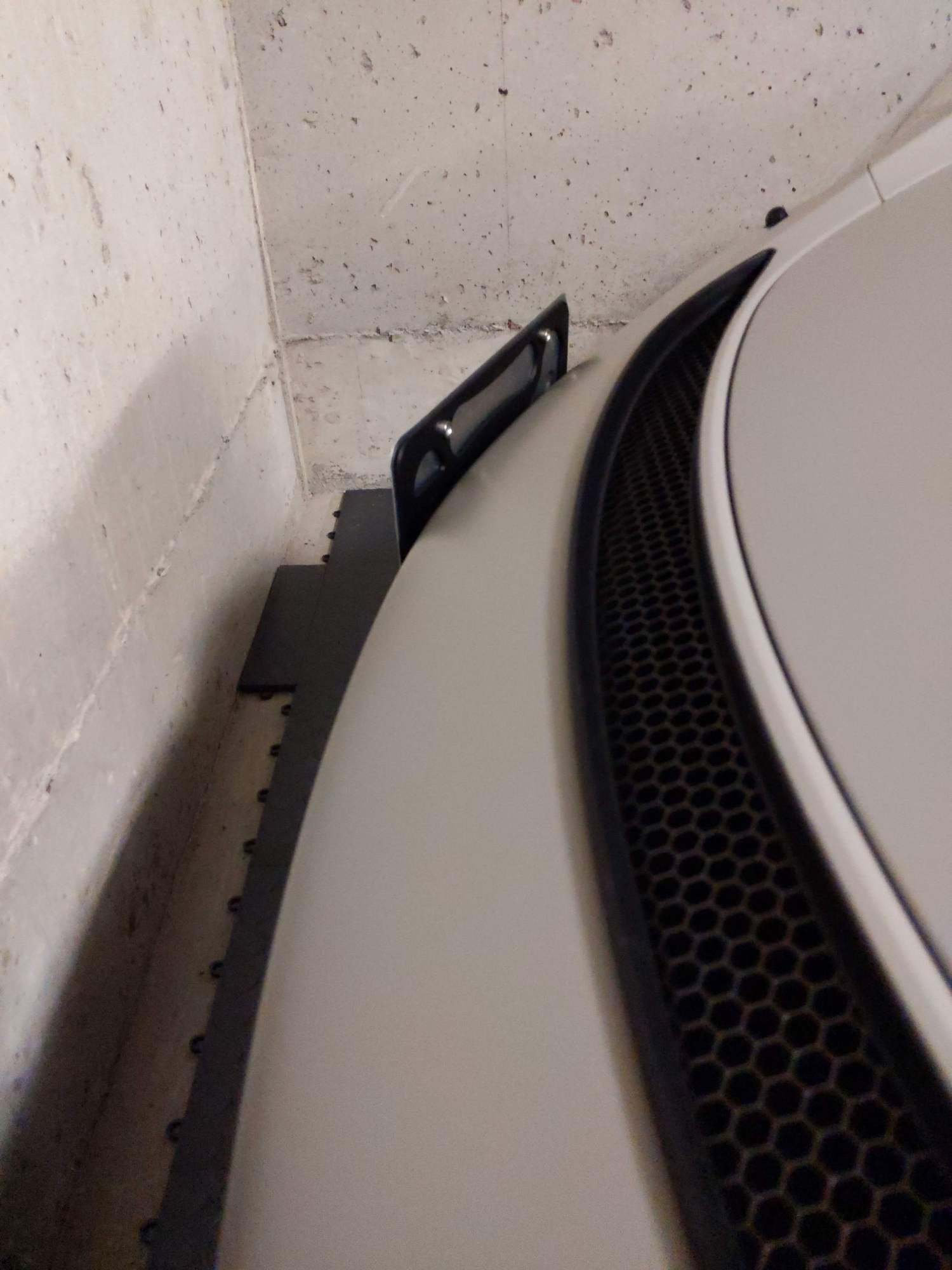
Front Plate - As much as the price pains me, the Platypus solution is clearly the best. https://www.cravenspeed.com/front-li...he-718-cayman/
They are also sold on Amazon, I was lucky enough to find a returned one and picked it up for half price.
The Platypus installs in the front tow point, so you can remove it later without any lasting effects. You need a allen wrench to mount the license plate to the backing plate. The US GT4 doesn't come with front parking sensors, so I can't say whether this would interfere with them, but I doubt it as the plate is not obstructing any of the sensor cutouts on my car.
Viewed from drivers side, parallel with front bumper
Rear Plate
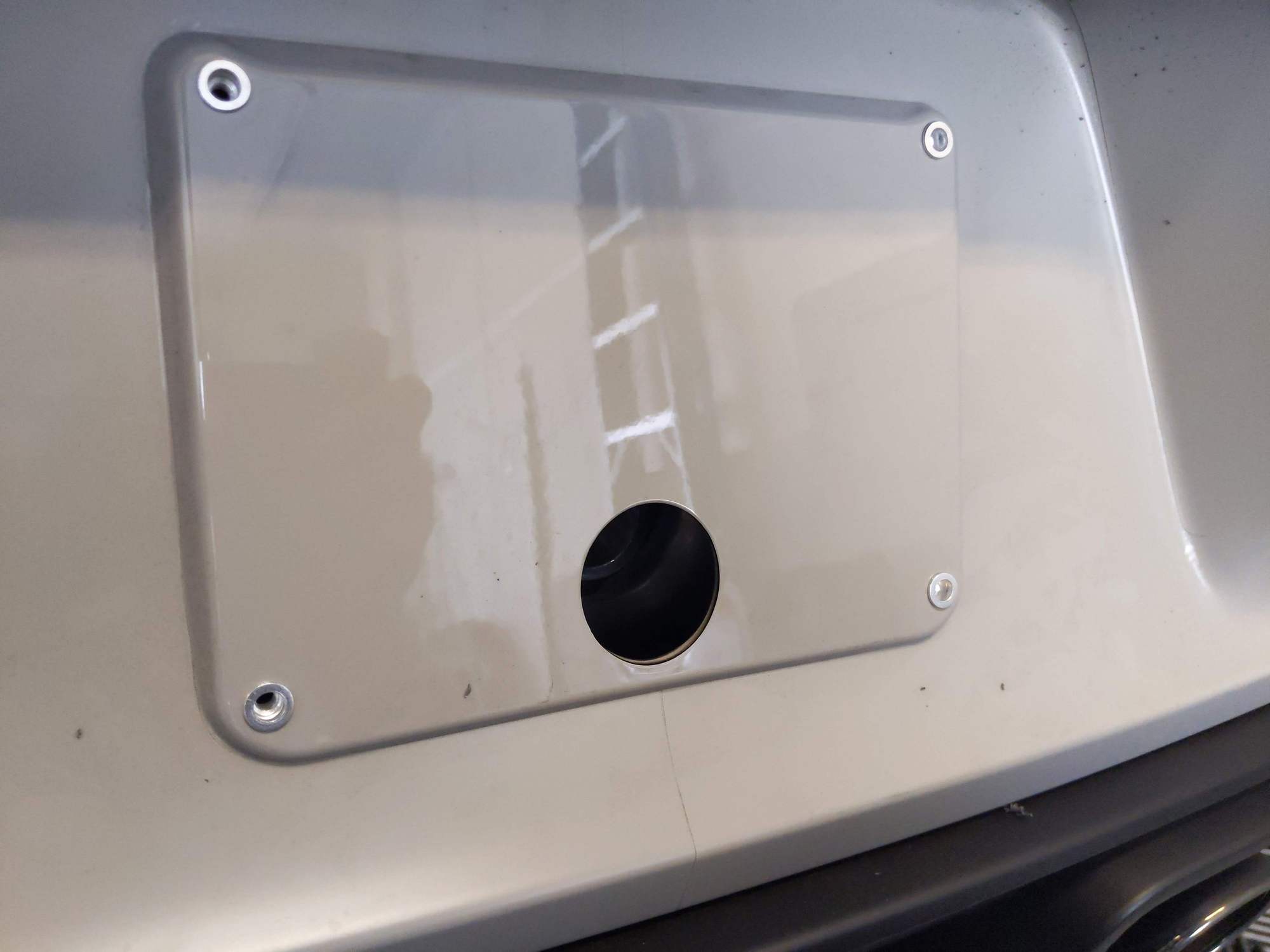
This US car came with 4 dimples where the license plate screws should go, so the hardest part is done for you. Since the rear plate may come off for track days and access to the tow point, using self tapping screws was off the table as that would ultimately wear out.
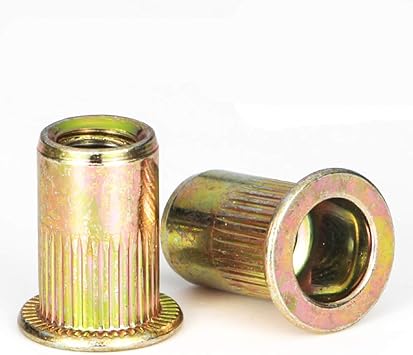
I went with rivet nuts, which are handy little rivets with a threaded interior that expand in place, locking the threads from spinning when you tighten them.
, or source your own to install them yourself. I used 10-32 but M5 or M6 sized rivet nuts would likely work as well. You'll need to purchase some stainless machine screws in metric or standard threading for the size rivet nut you end up with. (I used 10-32 size, 3/4" length machine screws.
You will need a drill bit of appropriate size, and a drill. I tapped off the points where I was going to drill but the plastic cuts cleanly and its probably not necessary.
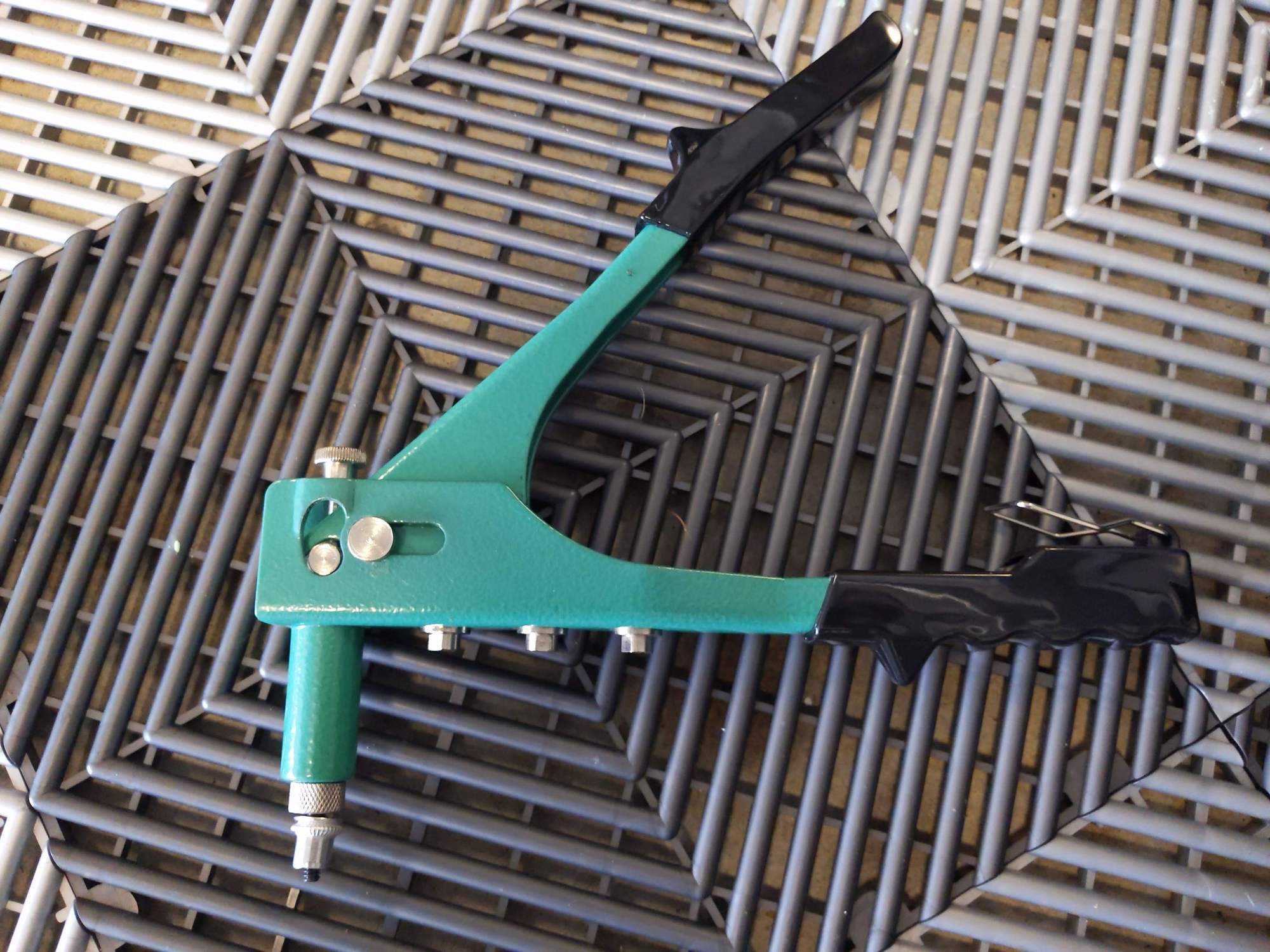
Essentially you just drill your pilot holes for the rivet nut, pop the rivet nut on your installer tool, crimp the nut in place and then install your license plate. Rivet nut (compressed already) on the installation tool
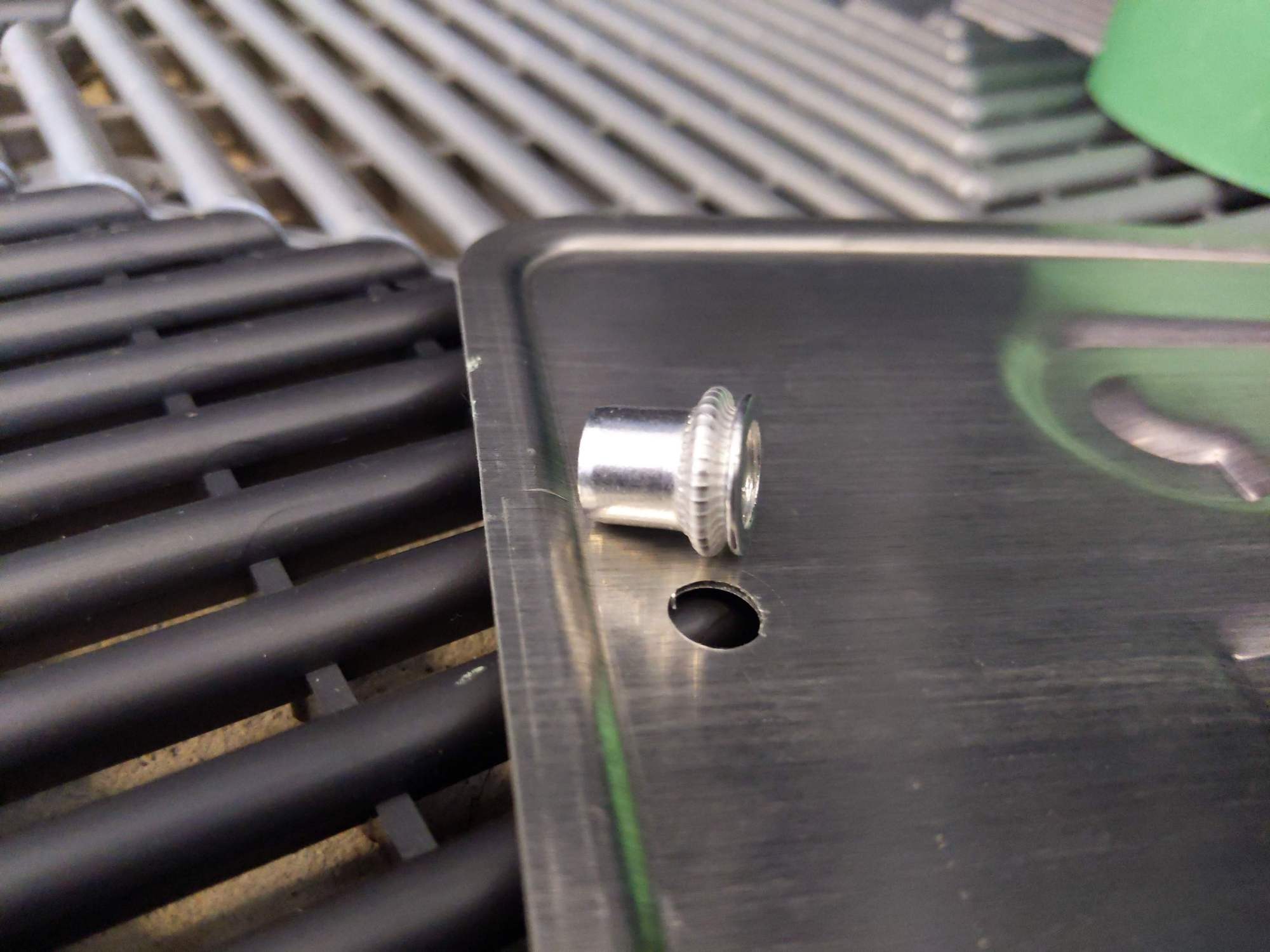
detail of what a compressed rivet nut looks like. The expanding walls both secure the nut from spinning and lock the outer lip and inner lip against the bumper material.
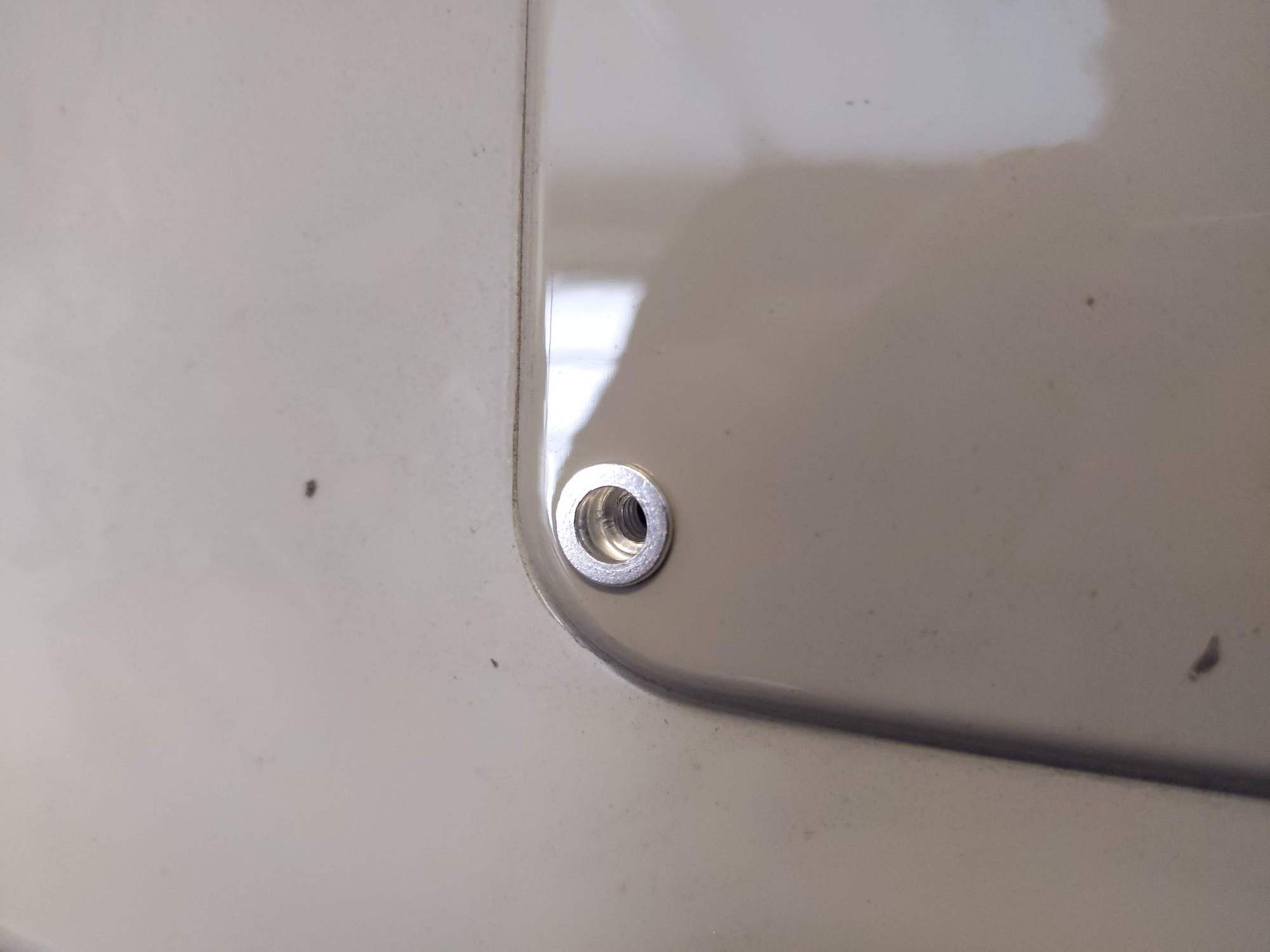
Installed rivet nut. You can see the interior threads ready to receive a machine screw.
Access to the rear tow hook is available by removing the license plate (something I would have done for a track day)
Thanks @edub for the write up! I don't have to deal with the front plate (thankfully), but I'm planning on using Tom's Car Pokes ABS-milled mount for the rear plate: https://tinyurl.com/5cwsyxfy
haha. Yeah off center is a different aesthetic. Since I can't avoid running a plate, this one puts the plate out of the way of functional vents/radiators and out of sight for 3/4 angles.
Update - I've taken these plates off several times for track days and washing. After 12,000 miles everything looks and holds as good as it did day one.




 Front and Rear License Plate (my solution)