
New Hybrid Porsche 911 Turbo S: 10 Things You Need to Know
The first hybrid Turbo S is the fastest production 911 ever built, but it comes with a higher price tag and more complexity.
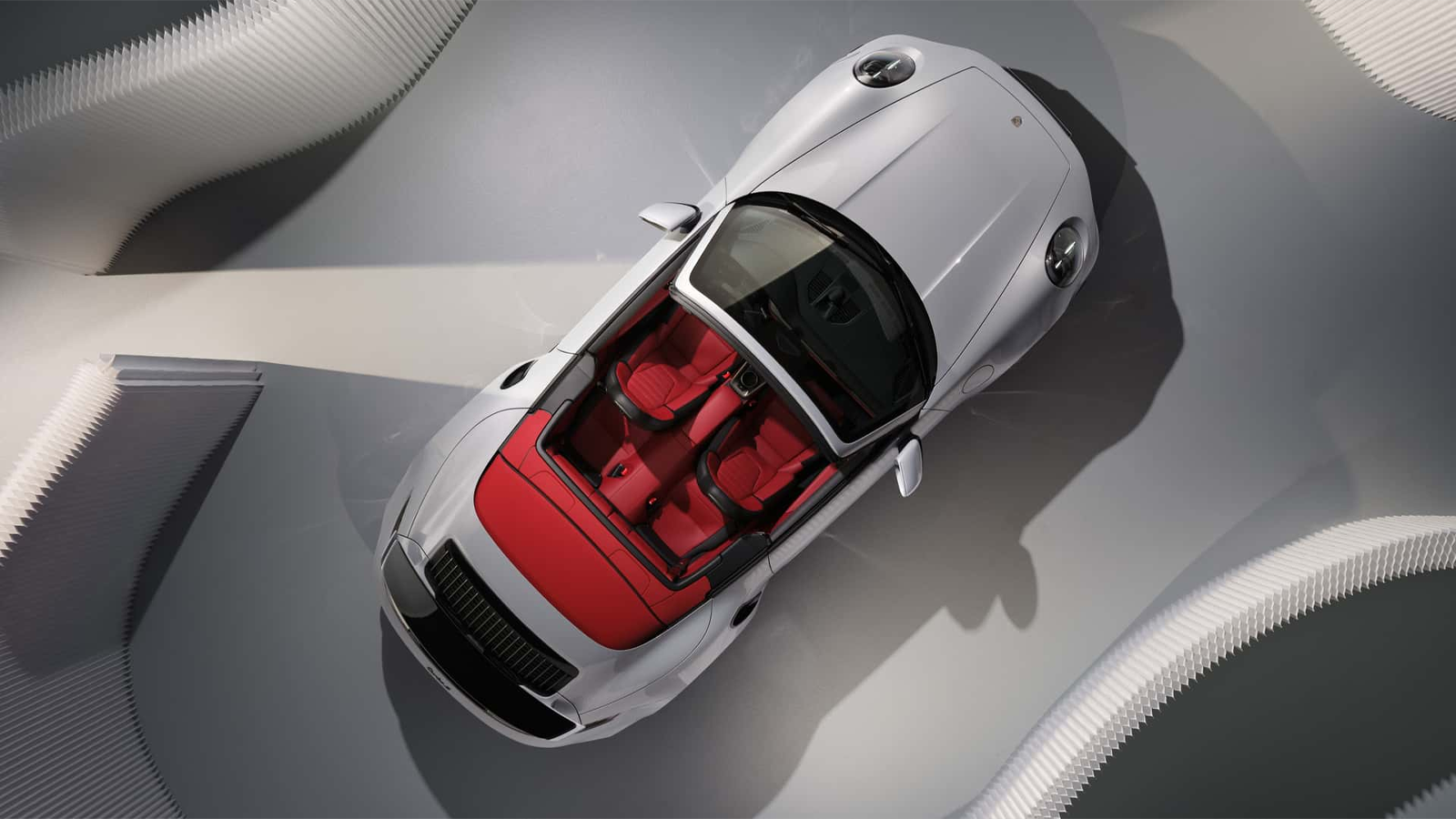
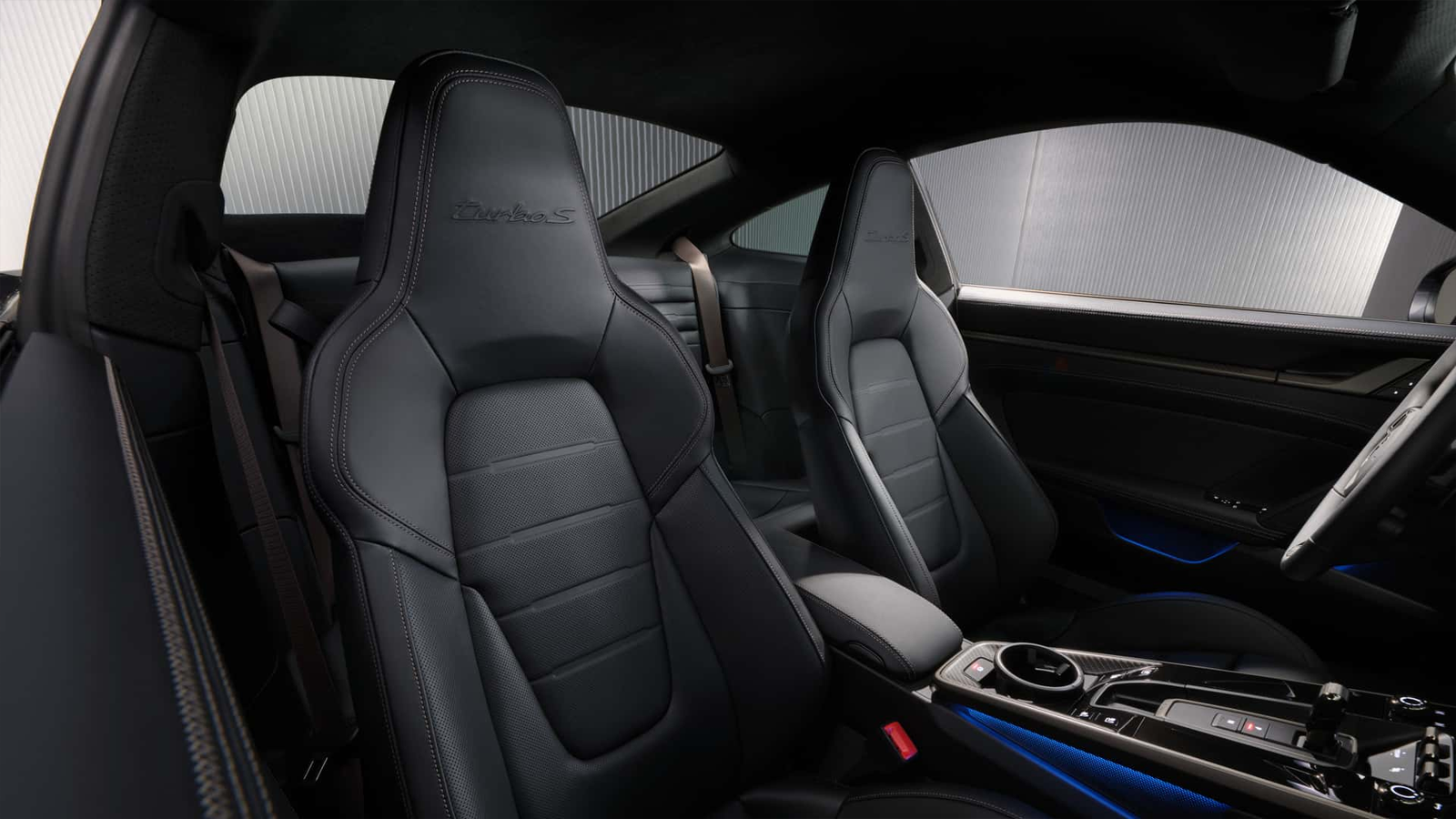


First Hybrid Turbo S
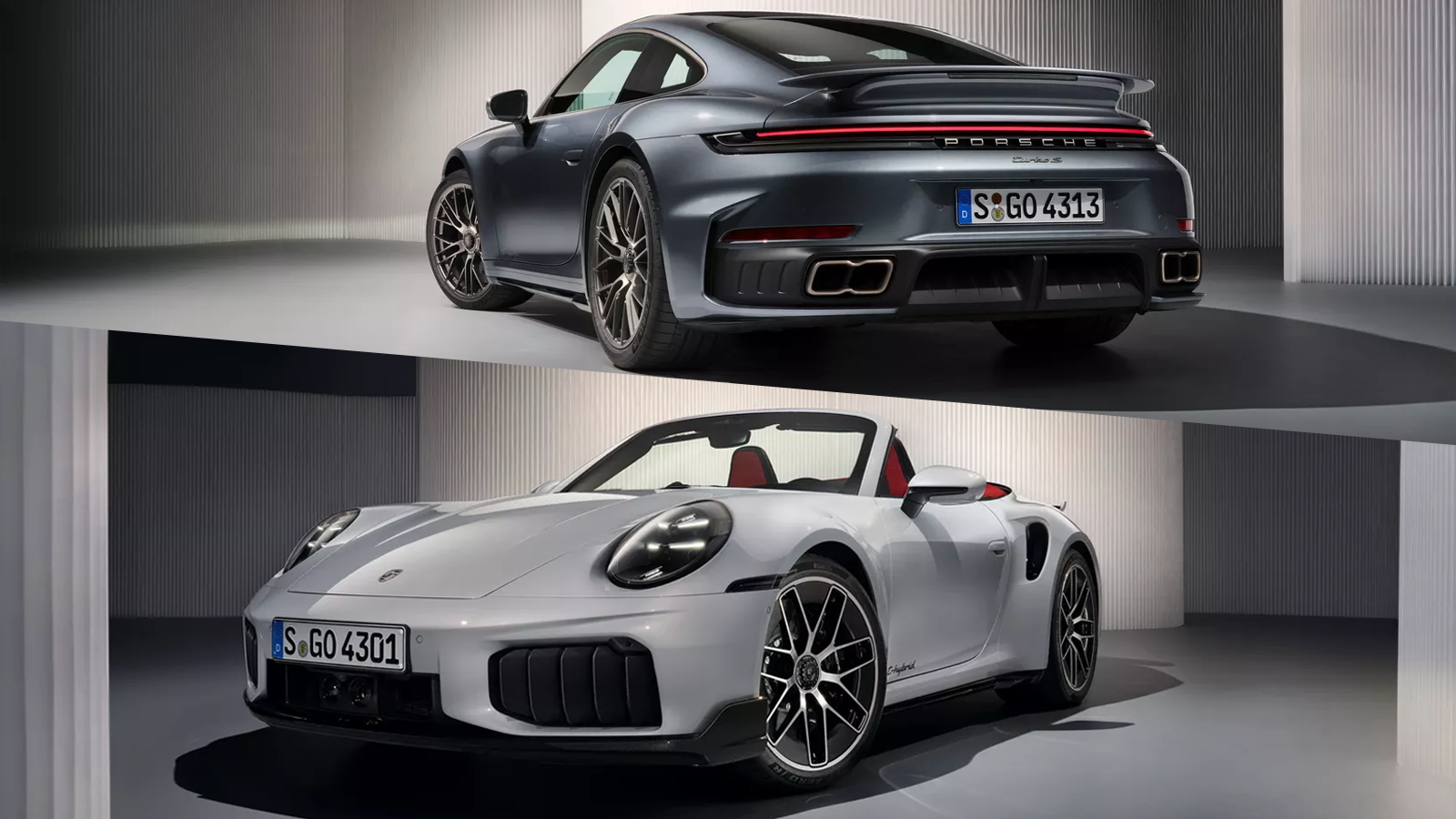
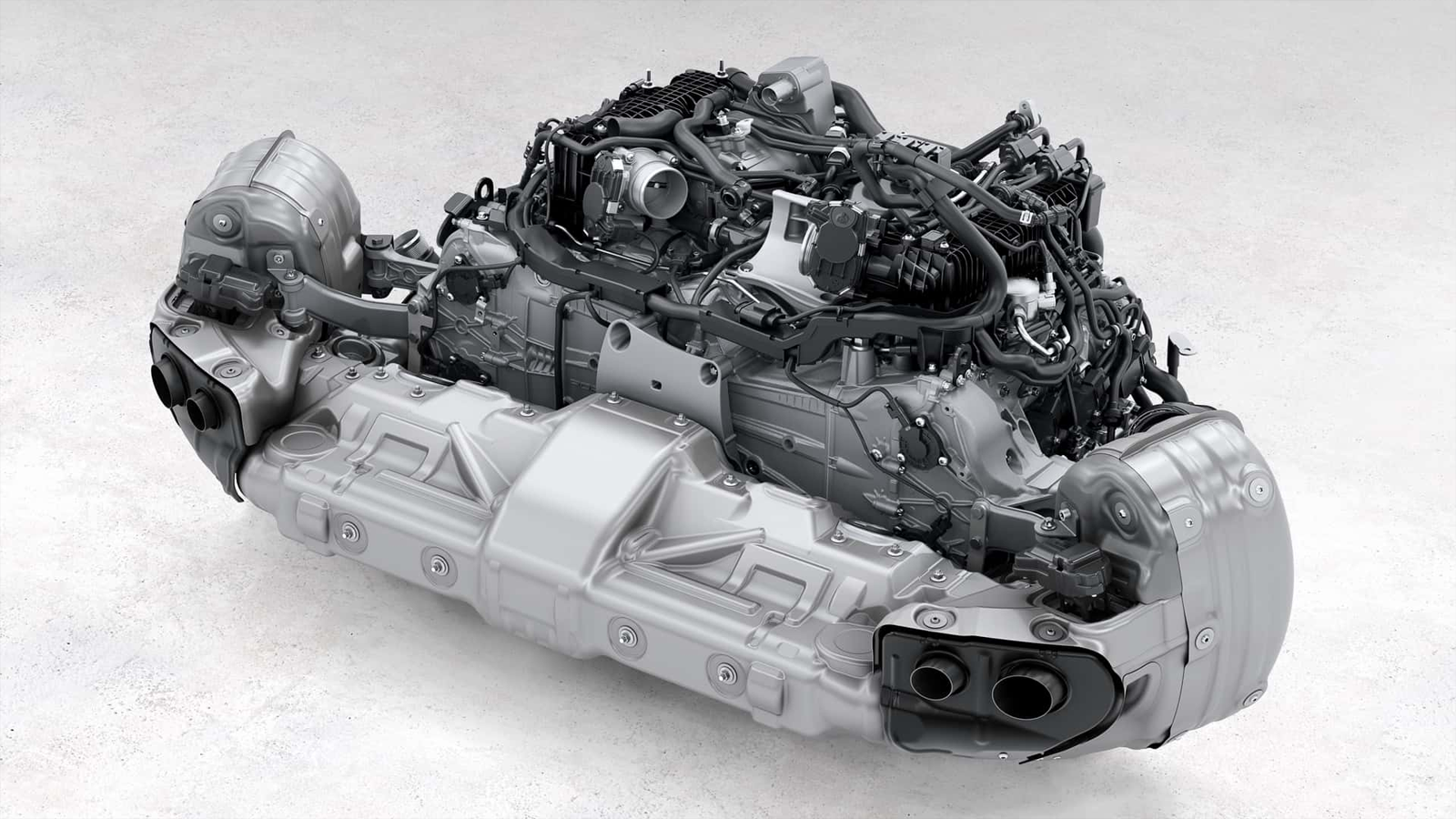
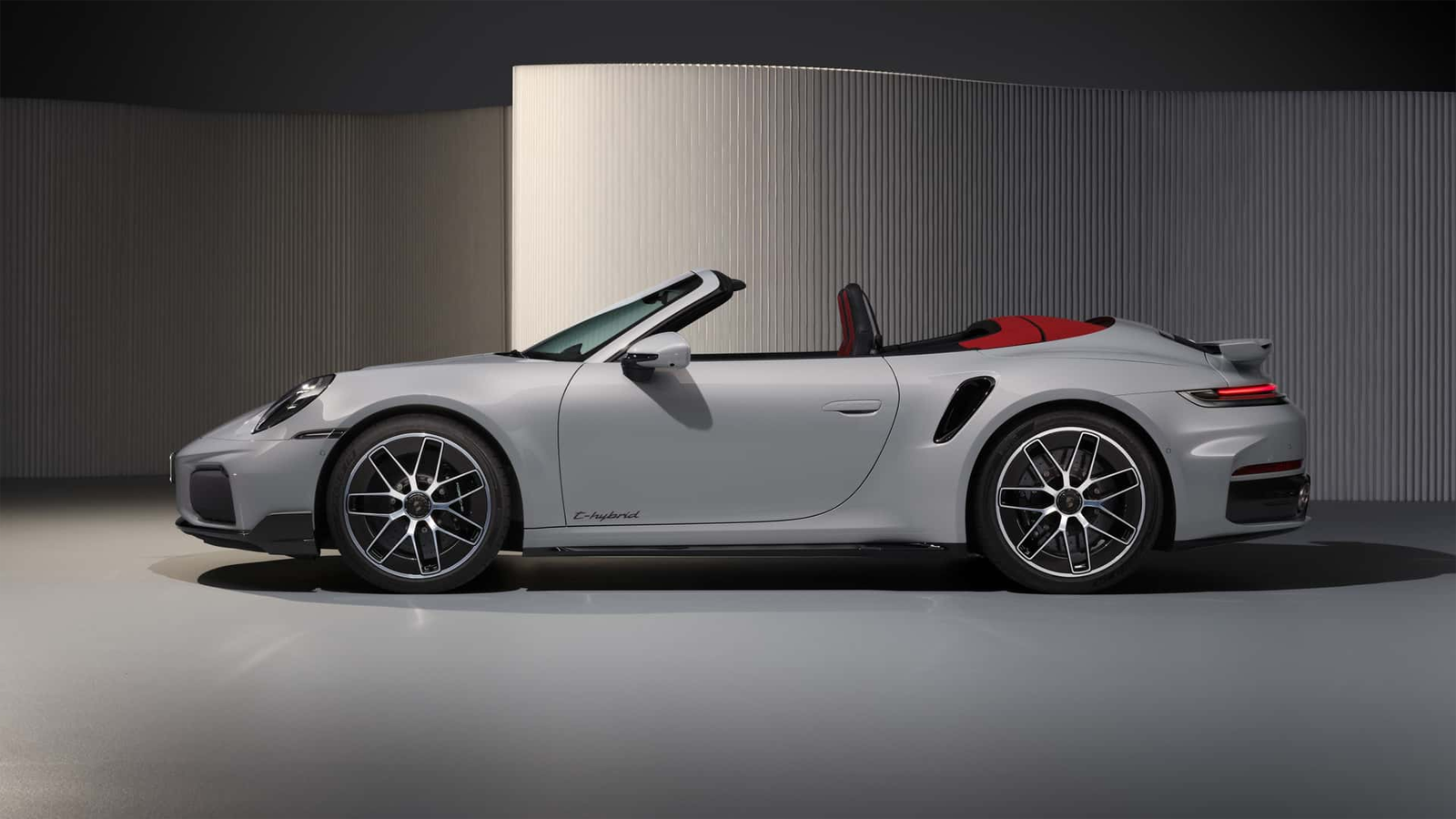
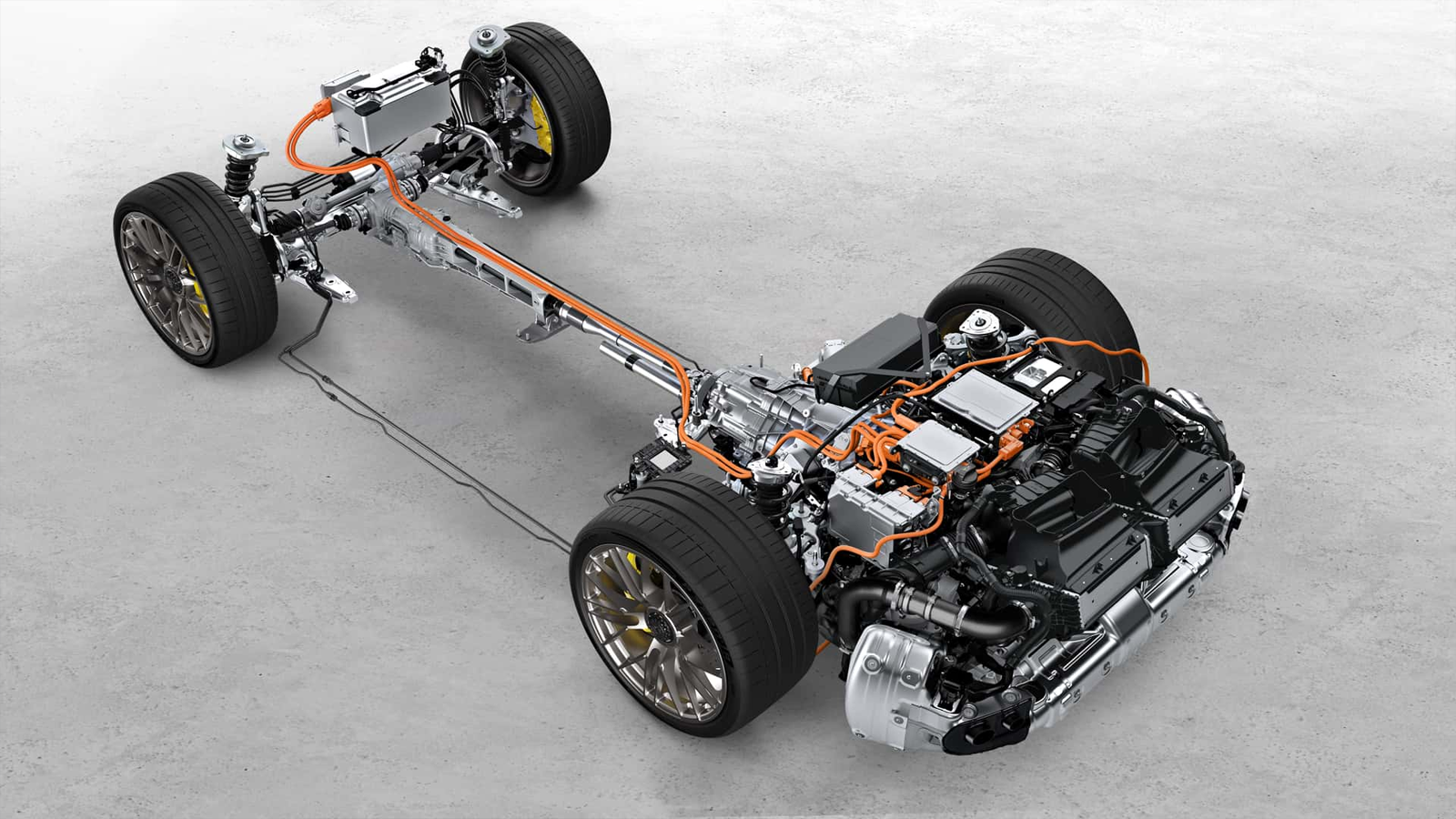
The 2026 911 Turbo S represents a major milestone for Porsche, as it is the first Turbo S to feature hybrid technology. Engineers paired the familiar 3.6-liter flat-six engine with two electrically assisted turbochargers, a 1.9 kWh lithium-ion battery, and an electric motor built into the eight-speed dual-clutch PDK transmission. Power is sent to all four wheels through Porsche’s Traction Management system, keeping the car in line with the Turbo S tradition of combining extreme performance with all-weather usability.
Power Output: 701 Horsepower
With a combined output of 701 horsepower and 590 lb-ft of torque, the new Turbo S claims the title of the most powerful road-legal 911 ever made. Compared to the previous generation’s 640 hp, the new hybrid system brings an additional 61 hp, though torque remains unchanged (590 lb-ft). That still places it above even the vaunted 911 GT2 RS, which topped out at 691 hp. Torque delivery is also broader, available from 2,300 to 6,000 rpm, ensuring instant thrust across much of the rev range.
Blistering Acceleration
Performance figures highlight the benefits of hybridization. The Turbo S launches from 0-60 mph in just 2.4 seconds and reaches 124 mph in 8.4 seconds, both quicker than the model it replaces. Even with its additional hardware, the car still tops out at an impressive 200 mph, though that’s slightly down from the outgoing car’s 205 mph. Porsche credits the electric assistance for sharpening throttle response and eliminating lag, making acceleration feel more immediate than ever before.
Nürburgring Record
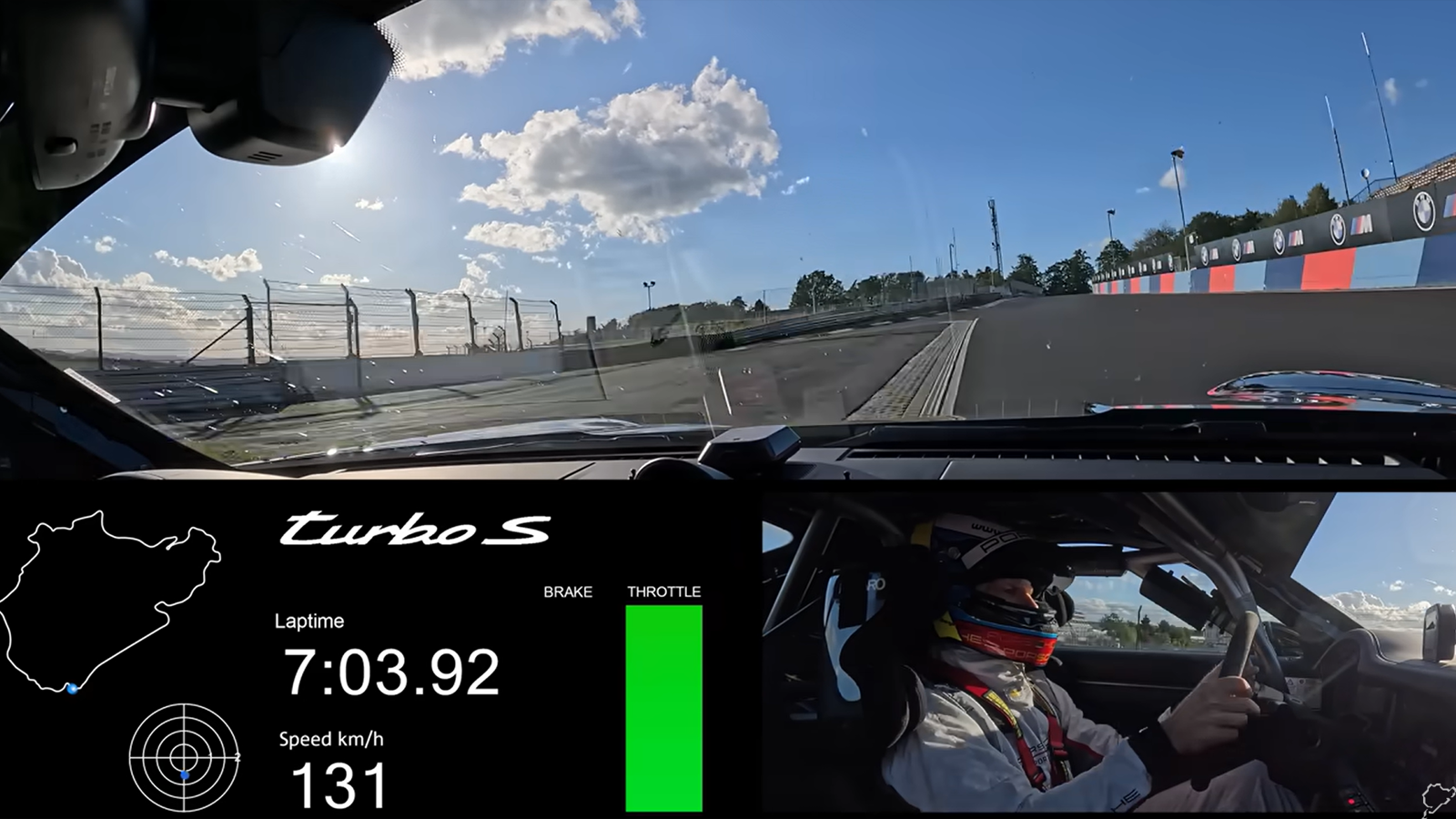
To prove its abilities, Porsche tested the Turbo S on the Nürburgring Nordschleife, one of the toughest racetracks in the world. A development prototype recorded a lap time of 7:03.92, shaving 14 seconds off the previous model’s benchmark. According to Porsche Brand Ambassador Jörg Bergmeister, who set the lap, the extra weight was not a drawback: “You don’t feel the weight gain. On the contrary, the car is much more agile, has more grip, and is significantly faster than its predecessor.”
Hybrid Weight Penalty
Hybrid systems inevitably add mass, and the 911 Turbo S is no exception. The coupe tips the scales at 3,829 pounds, about 180 pounds more than the previous version. While this figure is high for a sports car, Porsche stresses that the weight increase is modest considering the hybrid hardware and battery pack. The significant performance gains suggest that Porsche managed to balance efficiency, speed, and handling without turning the Turbo S into a heavy cruiser.
Advanced Chassis Systems
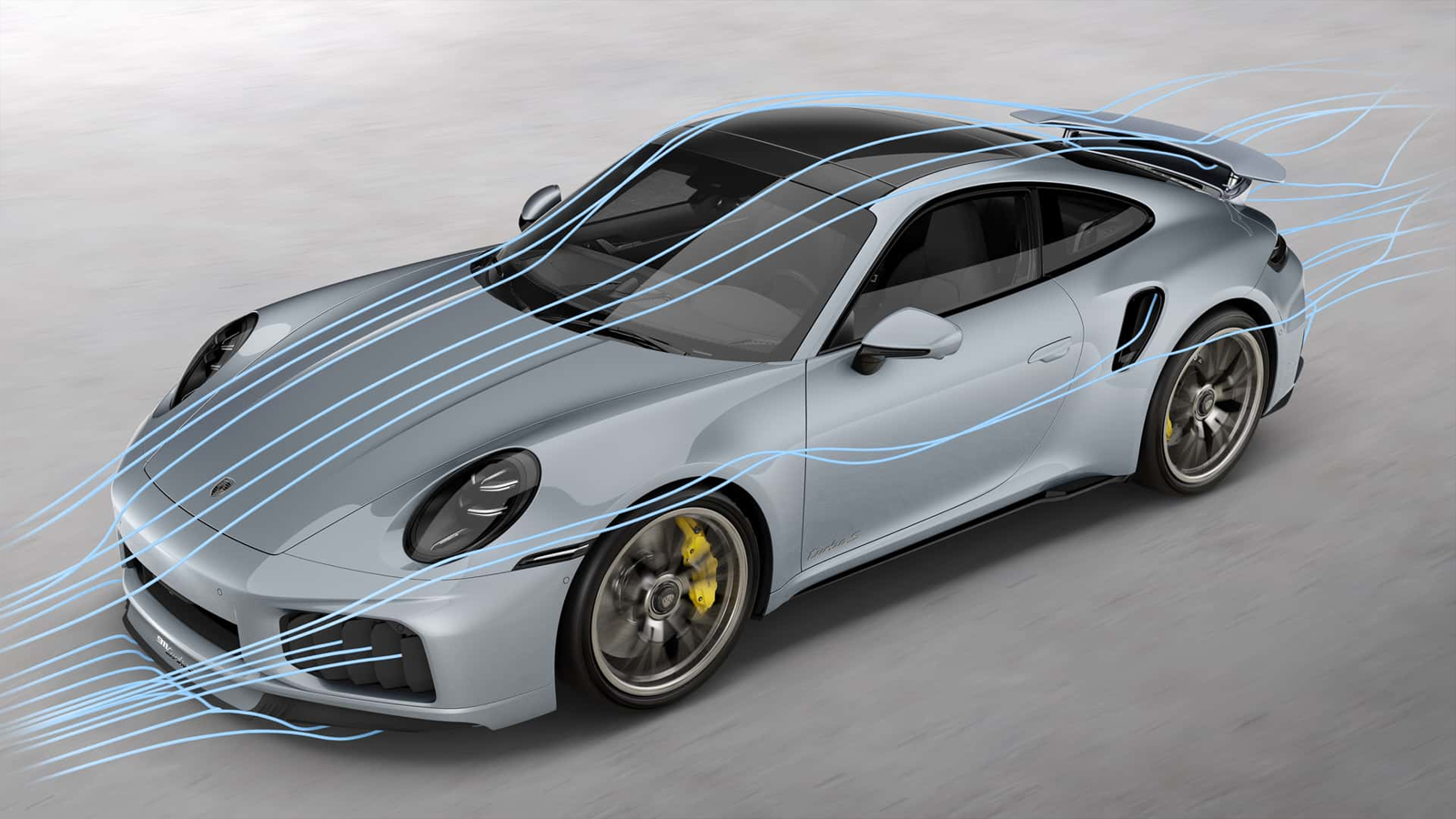
Beyond raw power, the Turbo S benefits from sophisticated chassis technology. Porsche Dynamic Chassis Control now operates through the 400-volt electrical system, giving the anti-roll system faster reaction times. Active aerodynamics also play a role: the car features cooling flaps, an adjustable front diffuser, and a multi-stage rear wing. These systems adapt in real time, striking a balance between downforce, cooling, and drag reduction depending on conditions.
Upgraded Brakes and Tires
Stopping power comes from standard ceramic composite brakes measuring 16.5 inches at the front and 16.1 inches at the rear, paired with updated pad materials for improved endurance. Tire sizes are also revised, with the rear now wearing wider 325/30 ZR21 rubber instead of 315s, while the front remains at 255/35 ZR20. The wider rear contact patch helps manage both the additional power and the rearward weight distribution from the hybrid system.
Titanium Exhaust System
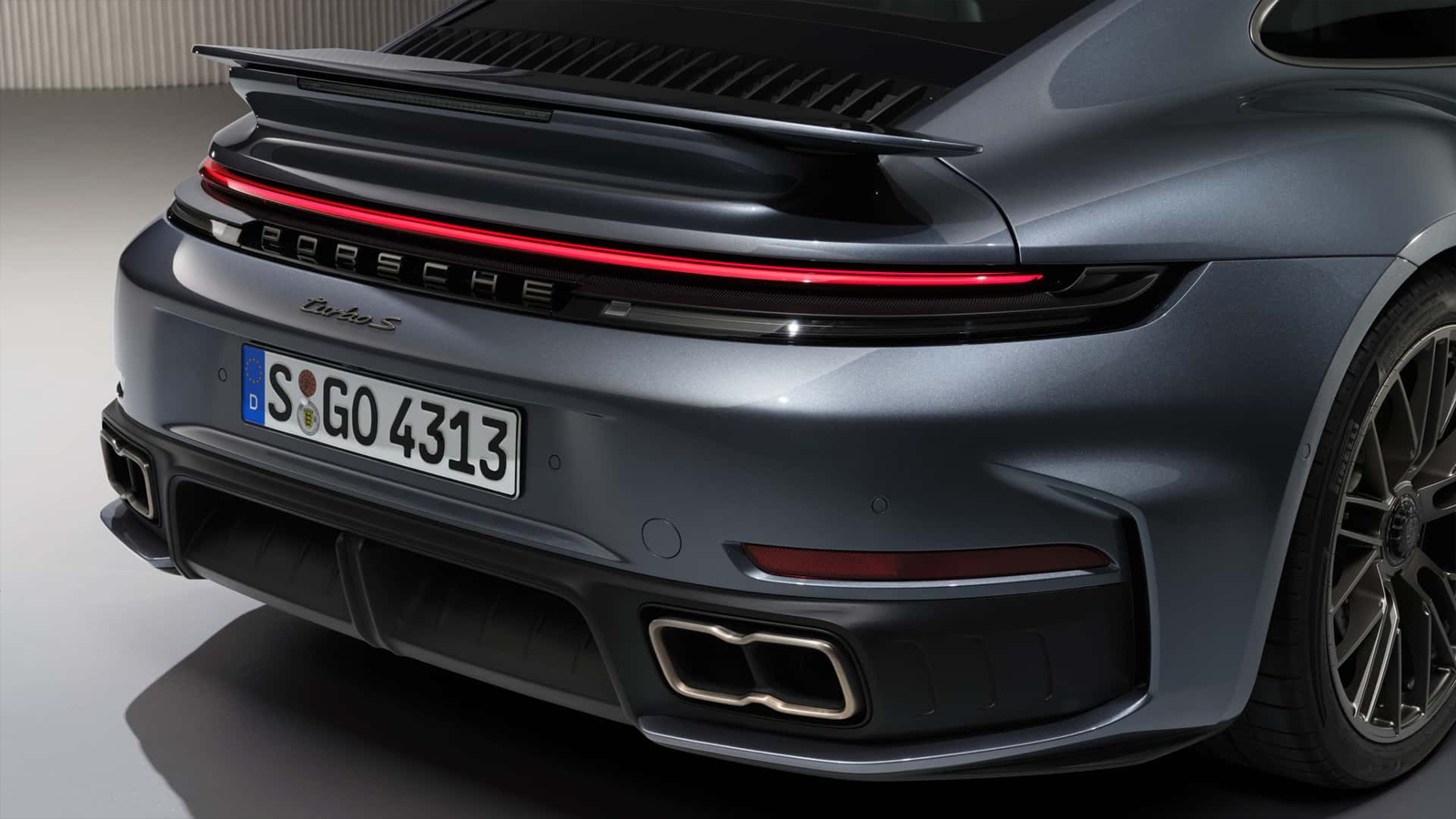
Porsche fitted the Turbo S with a lightweight titanium exhaust system, which includes both the muffler and tips. The material choice shaves off unnecessary pounds and also enhances the engine’s soundtrack, adding more character to the hybridized powertrain. The exhaust plays a role in differentiating the Turbo S from lesser 911 variants, underlining its status as the flagship performance model.
Distinctive Styling and Interior Details
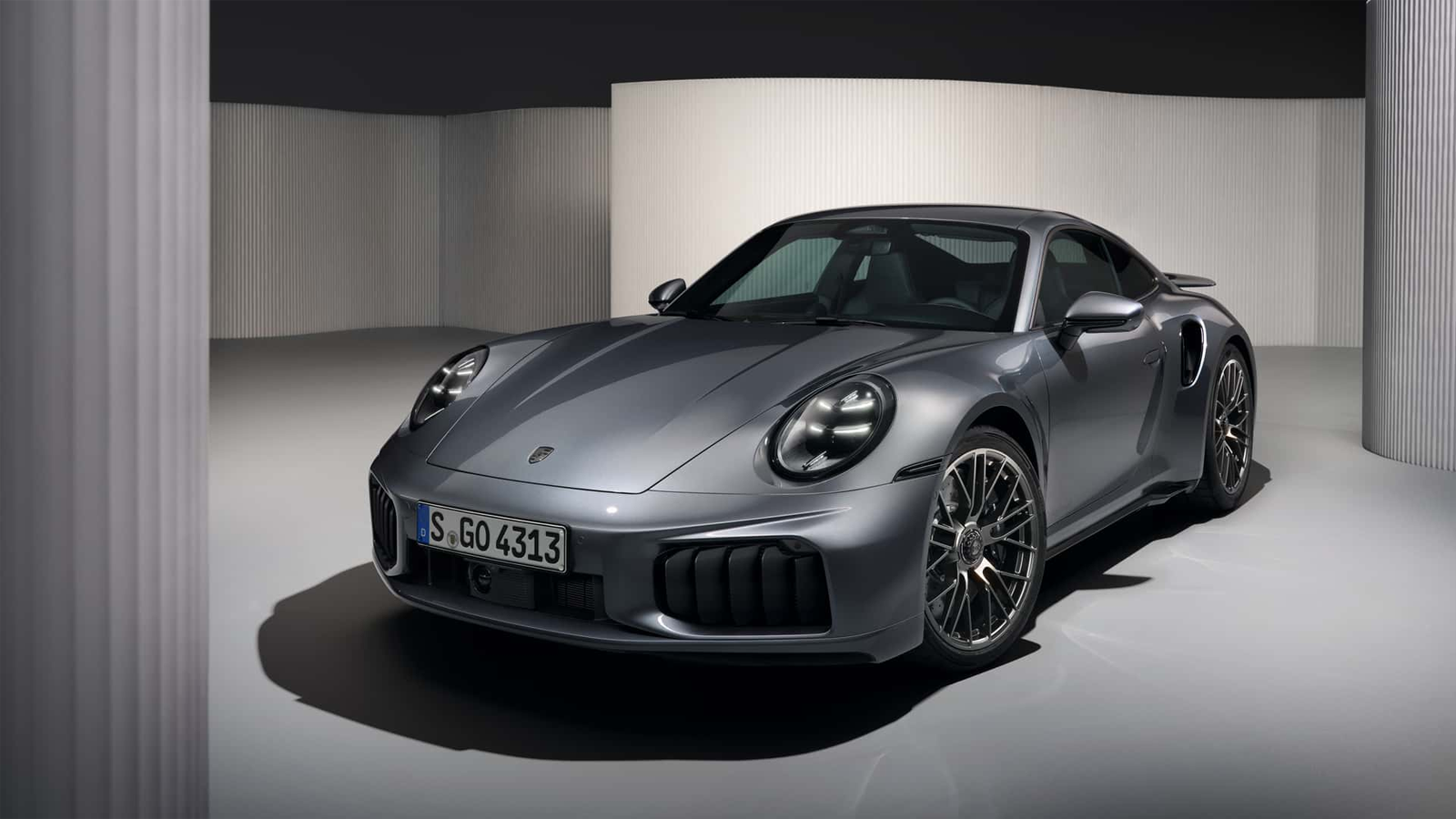
Visually, the Turbo S introduces “Turbonite,” a new brown-gray finish used on interior trim, exterior accents, and even seatbelt details. The cabin also features carbon fiber inserts with Neodyme highlights and a black Race-Tex headliner for a sport-oriented look. Porsche continues to offer a high level of customization, from Paint to Sample body colors to bespoke finishes through its Exclusive Manufaktur program. For buyers who crave novelty, even carbon-fiber windshield wiper arms are available.
Pricing and Availability
All the upgrades come at a cost. U.S. pricing begins at $270,300 for the Coupe and $284,300 for the Cabriolet, both of which represent an increase of more than $30,000 over the outgoing Turbo S models. Deliveries are set to begin in spring 2026. Porsche has also warned that tariffs and economic policies could push prices higher, making the already expensive Turbo S even more of a luxury purchase.