



PCCB's -- Worth Having?

Thread Starter
Burning Brakes
Joined: Mar 2009
Posts: 1,190
Likes: 5
From: The Great Midwest
 PCCB's -- Worth Having?
I am looking at an 05 S with PCCB's. Anything I should
know about these brakes?
Do they require more maintenance / higher costs
when they need to be replaced?
know about these brakes?
Do they require more maintenance / higher costs
when they need to be replaced?

Rennlist Member

Joined: Jun 2004
Posts: 1,398
Likes: 33
From: From 60607 in 06840
less maintenance much, much, much higher cost.
In my opinion they are a gimmick. Very few people need that kind of braking off track and funny enough the new RSR Porsche race car I believe is equipped with regular brakes.

In my opinion they are a gimmick. Very few people need that kind of braking off track and funny enough the new RSR Porsche race car I believe is equipped with regular brakes.

Burning Brakes
Joined: Apr 2005
Posts: 836
Likes: 29
And the irony is based on what I read on the GT3 forum, many track guys change them to steel due to the outrageous price! So unless money is no object to you or you have some million dollar racing budget and gotta have the absolute best...
Poseur
Rennlist Member
Rennlist Member


Joined: Nov 2005
Posts: 17,737
Likes: 290
From: Santa Barbara, CA
I ordered them on my 06 and they are outstanding. After some 34,000 miles the pads are barely worn. The rotors can easily last 200,000 miles,--easily. Since you would be purchasing the car used, you will undoubtedly benefit by the up front costs of these brakes that the original owner paid. The replacement pads are about $100 more than the standard pads for the cast iron rotor brakes. But, you won't be replacing them at the frequency the non-PCCB drivers are.
There are a few cases of hard-core track junkies going through these things, but for normal (even highly spirited) driving you will get incredible life from them. Ask anyone who drives with me if I take it easy as I drive and they will tell you that I definitely put my brakes to work.
First generation PCCB rotors were problematic but that was way back in 996 GT3 days. The second generation which were released with the introduction of the 997 models are tough. The manufacturer redesigned the cooling vents (internal) and now all these PCCB rotors are performing well.
Two additional big benefits,--no more messy wheels from dust, and significantly less weight to drag around.
There are a few cases of hard-core track junkies going through these things, but for normal (even highly spirited) driving you will get incredible life from them. Ask anyone who drives with me if I take it easy as I drive and they will tell you that I definitely put my brakes to work.
First generation PCCB rotors were problematic but that was way back in 996 GT3 days. The second generation which were released with the introduction of the 997 models are tough. The manufacturer redesigned the cooling vents (internal) and now all these PCCB rotors are performing well.
Two additional big benefits,--no more messy wheels from dust, and significantly less weight to drag around.

Three Wheelin'
Joined: Jun 2007
Posts: 1,759
Likes: 0
From: The D
The complaints usually come from guys that track the car a lot or from people who don't have them and have never had them.
I got em' on my '05 and wouldn't have it any other way just due to the fact that there is no brake dust. I also wouldn't buy a car without having a proper PPI done that includes thorough inspection by a Porsche mechanic who is familiar with the composite brakes. As stated they are expensive to replace but when driven under normal conditions will last a lifetime.
I got em' on my '05 and wouldn't have it any other way just due to the fact that there is no brake dust. I also wouldn't buy a car without having a proper PPI done that includes thorough inspection by a Porsche mechanic who is familiar with the composite brakes. As stated they are expensive to replace but when driven under normal conditions will last a lifetime.
Thread Starter
Burning Brakes
Joined: Mar 2009
Posts: 1,190
Likes: 5
From: The Great Midwest
Thank you for your quick replies
So, actually, PCCB's could be considered a negative with regard
to purchasing a pre-owned 997.
I wish this car had regular steel brakes, it is in excellent
condition and 15k miles.
Can you switch the brakes to steel when the rotors needs
to be replaced or is that a difficult task?
to purchasing a pre-owned 997.
I wish this car had regular steel brakes, it is in excellent
condition and 15k miles.
Can you switch the brakes to steel when the rotors needs
to be replaced or is that a difficult task?
Trending Topics
Poseur
Rennlist Member
Rennlist Member
Joined: Nov 2005
Posts: 17,737
Likes: 290
From: Santa Barbara, CA
The PCCB brake design is substantially different than the cast iron (not steel, BTW) brakes and can be retrofitted later with that antique cast iron stuff! Several other things would have to be done such as reprogramming the car for a different braking coefficient.
Rennlist Stories
The Best Porsche Posts for Porsche Enthusiasts
Porsche Reveals Coupe Variant of the Electric Cayenne With a Fresh Look
Verdad Gallardo
10 Porsche Colors That Have More Personality Than Most People
Verdad Gallardo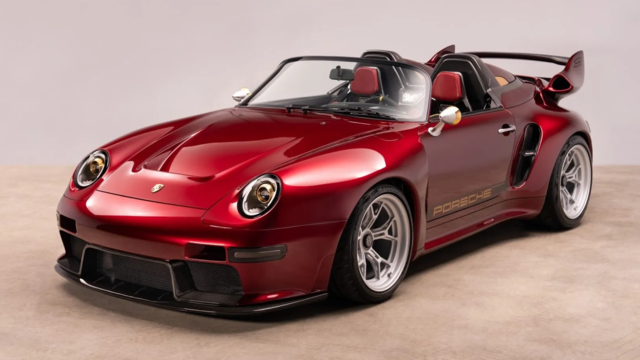
Guntherwerks' Final Speedster Creation Is the Ultimate Porsche Restomod
Verdad Gallardo
10 Reasons I Hate Going to the Porsche Dealership (& the 1 Reason I Stay)
Joe Kucinski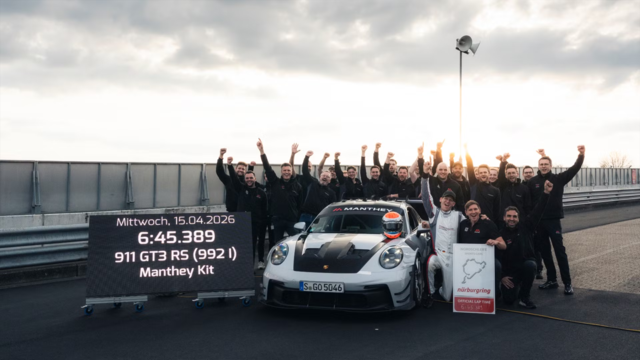
Porsche Shakes Up The Nürburgring Lap Record Table Once Again
Verdad Gallardo
6 Ways the Porsche 911 GT3 S/C Redefines Performance
Joe Kucinski
10 Wildest Homologation Specials Porsche Ever Sold
Verdad Gallardo
Super Rare RUF BTR III Comes Out of Hibernation, Looking For a New Home
Verdad Gallardo
10 Porsche Opinions That Can Start a Fight
Joe Kucinski
Pro

Joined: May 2006
Posts: 660
Likes: 14
From: Las Vegas, Nevada
I've got PCCB's on my 2005 997S and they're super. Great stopping power and very clean w/ respect to metal rotors. They should last a life time if not abused (ie. excessive tracking). Inspect the rotors/pads during your pre-inspection routine to make sure they are in good shape. I hear most damage (to composite rotors) is caused by from wheel removal and rocks/stones from road debris.
I've got close to 16K miles and they look like brand new; no wear at all. I do an occasional AX and some spirited canyon driving and found they (PCCB) perform great.
If you're tracking you certainly should go metal; lower cost for routine replacement.
They were a $8K option when new. I suspect you're getting them for close to nothing in today's used Porsche market.
I've got close to 16K miles and they look like brand new; no wear at all. I do an occasional AX and some spirited canyon driving and found they (PCCB) perform great.
If you're tracking you certainly should go metal; lower cost for routine replacement.
They were a $8K option when new. I suspect you're getting them for close to nothing in today's used Porsche market.
Last edited by AP997S; Mar 18, 2009 at 11:20 PM.

Race Director
Joined: Mar 2006
Posts: 15,362
Likes: 198
From: Tampa
There are tons of threads and posts on this subject.
Basically if you only street drive the car the PCCB's will last a long long time. If you track the car and do not have $15,000 for new rotors every year you will want to get the S (red) brakes.
PCCB Front Rotor Set
Price: $7,856.30
PCCB Rear Rotor Set
Price: $6,990.00
http://e-partssales.com/Merchant2/me...e=997SCERAMICS
Also there have been tests to prove that the PCCB brake do not stop any btter than the S brakes.
With that said PCCB are cool brakes, they look racy and trick and maintanance will cost you a fortune.
Basically if you only street drive the car the PCCB's will last a long long time. If you track the car and do not have $15,000 for new rotors every year you will want to get the S (red) brakes.
PCCB Front Rotor Set
Price: $7,856.30
PCCB Rear Rotor Set
Price: $6,990.00
http://e-partssales.com/Merchant2/me...e=997SCERAMICS
Also there have been tests to prove that the PCCB brake do not stop any btter than the S brakes.
With that said PCCB are cool brakes, they look racy and trick and maintanance will cost you a fortune.
Miserable Old Bastard
Rennlist Member
Rennlist Member
Joined: Feb 2004
Posts: 14,168
Likes: 223
From: Los Angeles
I ordered them on my 06 and they are outstanding. After some 34,000 miles the pads are barely worn. The rotors can easily last 200,000 miles,--easily. Since you would be purchasing the car used, you will undoubtedly benefit by the up front costs of these brakes that the original owner paid. The replacement pads are about $100 more than the standard pads for the cast iron rotor brakes. But, you won't be replacing them at the frequency the non-PCCB drivers are.
There are a few cases of hard-core track junkies going through these things, but for normal (even highly spirited) driving you will get incredible life from them. Ask anyone who drives with me if I take it easy as I drive and they will tell you that I definitely put my brakes to work.
First generation PCCB rotors were problematic but that was way back in 996 GT3 days. The second generation which were released with the introduction of the 997 models are tough. The manufacturer redesigned the cooling vents (internal) and now all these PCCB rotors are performing well.
Two additional big benefits,--no more messy wheels from dust, and significantly less weight to drag around.
There are a few cases of hard-core track junkies going through these things, but for normal (even highly spirited) driving you will get incredible life from them. Ask anyone who drives with me if I take it easy as I drive and they will tell you that I definitely put my brakes to work.
First generation PCCB rotors were problematic but that was way back in 996 GT3 days. The second generation which were released with the introduction of the 997 models are tough. The manufacturer redesigned the cooling vents (internal) and now all these PCCB rotors are performing well.
Two additional big benefits,--no more messy wheels from dust, and significantly less weight to drag around.
I have them on my 05 997S and they have been wonderful brakes; at 40K mile service, the original pads were at 50% wear. I just got them on my 09 TT, mainly because they were on the car I wanted; I might not have ordered them due to initial cost if I ordered a car, but I am happy to have them.
I would not be at all afraid to buy a car with them. Unless you will use the brakes very heavily on the track, it is unlikely you will ever have to replace the rotors.
Burning Brakes
Joined: Apr 2005
Posts: 836
Likes: 29
So, actually, PCCB's could be considered a negative with regard
to purchasing a pre-owned 997.
I wish this car had regular steel brakes, it is in excellent
condition and 15k miles.
Can you switch the brakes to steel when the rotors needs
to be replaced or is that a difficult task?
to purchasing a pre-owned 997.
I wish this car had regular steel brakes, it is in excellent
condition and 15k miles.
Can you switch the brakes to steel when the rotors needs
to be replaced or is that a difficult task?
Racer
Joined: Oct 2003
Posts: 307
Likes: 0
From: WA
Gen. 1 = negative
Gen 2 = positive.
I love them. They have held up to use at the track/auto-x and 36K of driving. Slightly noisy but they work beautifully and are DUST FREE!
If you damage them (more likely due to getting into a gravel trap in an off track excursion) you can replace the rotors with the cast iron if you like.
Added benefit - they look cool as hell too.
I'd bet any money that you could buy the car w/ PCCBs and sell them for more than it would cost you to retrofit your car with conventional brakes.
Gen 2 = positive.
I love them. They have held up to use at the track/auto-x and 36K of driving. Slightly noisy but they work beautifully and are DUST FREE!
If you damage them (more likely due to getting into a gravel trap in an off track excursion) you can replace the rotors with the cast iron if you like.
Added benefit - they look cool as hell too.
I'd bet any money that you could buy the car w/ PCCBs and sell them for more than it would cost you to retrofit your car with conventional brakes.

Drifting
Joined: Jul 2007
Posts: 2,884
Likes: 24
It is in the Yellow paint....
Base model calipers painted yellow have the same stopping power as PCCBs, some say even more:.... the yellow paint makes the caliper breath better.
Last edited by mickfluff; Dec 6, 2012 at 06:02 PM.
Pro
Joined: Aug 2006
Posts: 705
Likes: 2
From: NJ Shore
If you are not tracking, they are a positive (no dust, better feel, lighter).
If you are tracking a little bit (few times a year), they are a positive there as well.
If you are tracking ALOT, they are still great, but how big is your wallet?
If you are tracking a little bit (few times a year), they are a positive there as well.
If you are tracking ALOT, they are still great, but how big is your wallet?